
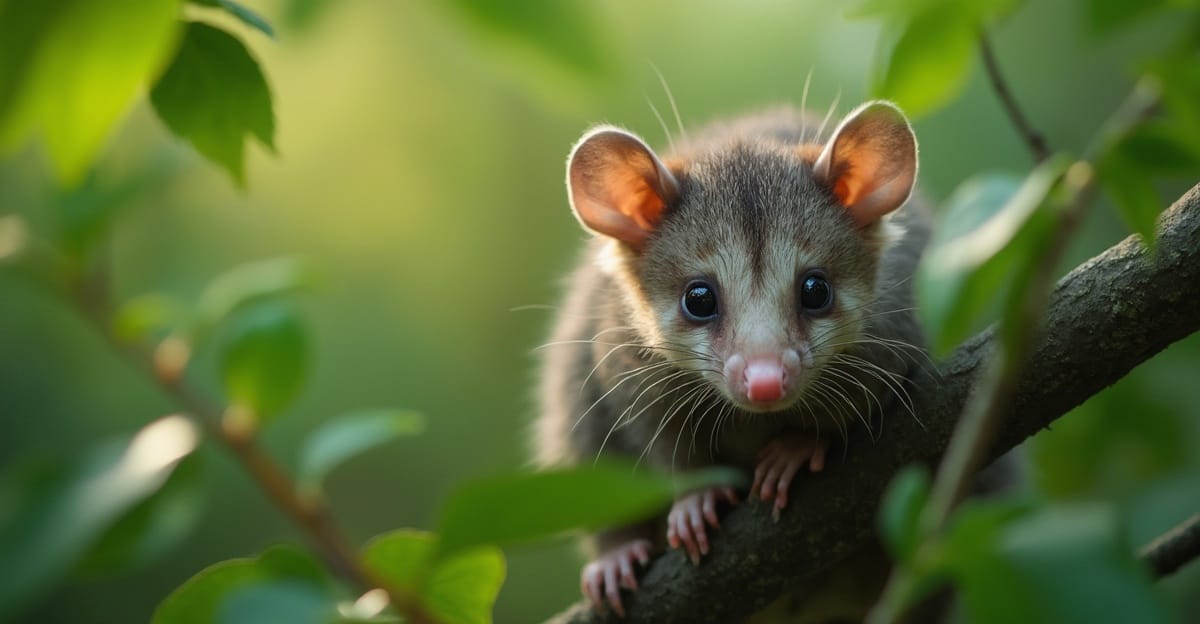
Training Your Short-tailed Opossum: A Comprehensive Guide
These tiny South American marsupials might seem like mysterious nocturnal creatures, but with the right approach, Short-tailed Opossums can become remarkably trusting companions. While short-tailed opossum training differs significantly from traditional pet training, these intelligent omnivores respond beautifully to patient, consistent handling and positive reinforcement techniques. Their naturally shy disposition and moderate handling tolerance mean success depends entirely on understanding their unique behavioral needs and working within their nocturnal schedule. Building trust with your Short-tailed Opossum requires dedication, but the reward of a calm, handleable pet makes the 30-60 day journey worthwhile for experienced owners willing to invest the time.
Table of Contents
Key Takeaways
- Short-tailed Opossums are nocturnal, so training sessions should align with their active hours.
- Building trust through consistent, gentle handling is paramount for successful short-tailed opossum training.
- Positive reinforcement, like small food rewards, is highly effective for these omnivores.
- Patience is key; taming can take 30-60 days, and rushing can lead to shy or skittish behavior.
Quick Facts
| Size Category | Very Small |
| Origin | South America |
| Activity Cycle | Nocturnal |
| Diet Type | Omnivore |
| Habitat Type | Escape-Proof Tank/Terrarium |
| Taming Timeline | 30-60 days |
| Behavioral Problems | Can exhibit shy or skittish behavior if not properly socialized |
| Free Roam Supervision | Should be supervised during free roam to prevent escape or injury |
Understanding Short-tailed Opossum Behavior
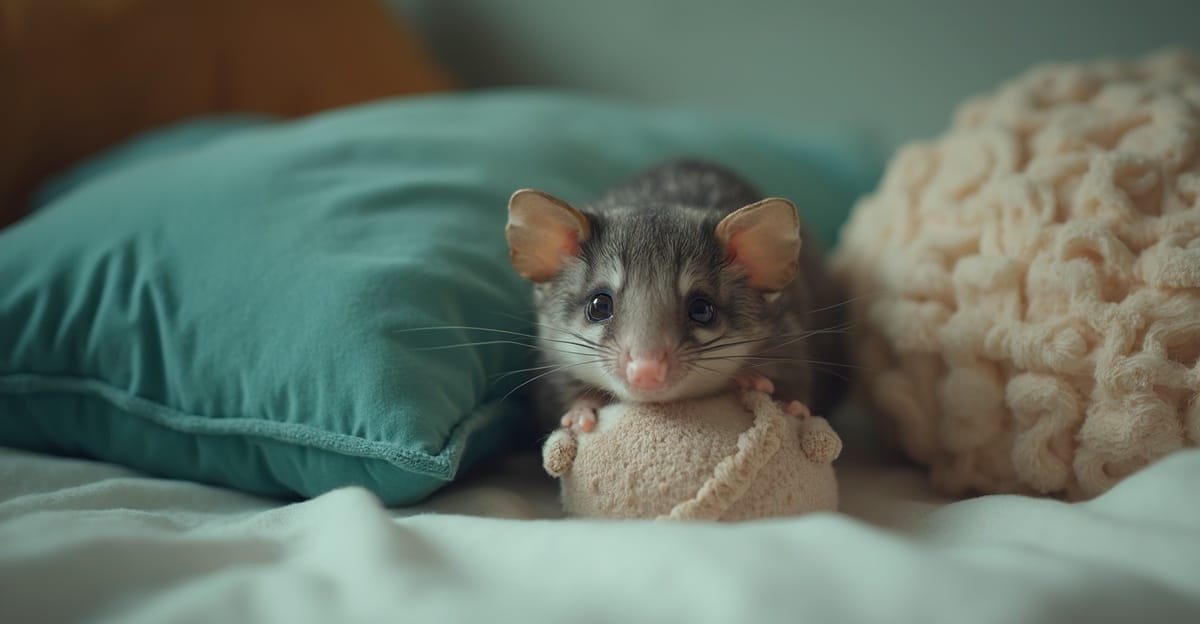
Short-tailed Opossums possess deeply ingrained behavioral patterns that directly influence their trainability and response to human interaction. These small marsupials evolved as prey animals in South American forests, developing heightened sensitivity to sudden movements, loud noises, and unfamiliar scents. Their natural wariness serves as a survival mechanism, but it also means that building trust requires exceptional patience and understanding of their instinctual responses.
Working with Their Nocturnal Nature
The nocturnal activity cycle of Short-tailed Opossums fundamentally shapes when and how training should occur. During daylight hours, these animals naturally seek dark, quiet hiding spots to rest, making them less receptive to interaction. Attempting to train during their sleep cycle often results in a stressed, defensive animal that may develop negative associations with handling. Successful nocturnal pet care means adjusting your schedule to work with their natural rhythms, conducting training sessions during evening and nighttime hours when they’re naturally alert and active.
Recognizing Stress Signals and Comfort Zones
Understanding your opossum’s body language prevents setbacks in the taming process. Signs of stress include rapid breathing, trembling, defensive posturing with an arched back, or attempts to flee and hide. Conversely, a relaxed opossum will move slowly and deliberately, may approach your hand curiously, and will eat treats calmly in your presence. Their solitary nature means they don’t seek social interaction like pack animals, so training focuses on tolerance and trust rather than eager participation. Creating a predictable routine helps them feel secure, as consistency reduces the anxiety that comes from unpredictable human behavior.
How to Start Training a Short-tailed Opossum
Beginning short-tailed opossum training requires a methodical approach that prioritizes the animal’s comfort and natural behavioral patterns. The initial phase focuses entirely on creating positive associations with human presence rather than attempting any form of handling or direct interaction. This foundation-building period determines the success of all future training efforts.
Creating the Right Environment for Success
Before any training begins, your opossum needs several days to acclimate to its new escape-proof tank or terrarium. During this adjustment period, maintain a quiet environment and resist the urge to interact directly. The habitat setup should include multiple hiding spots, appropriate substrate for burrowing, and consistent lighting that respects their nocturnal preferences. Temperature stability is crucial since these animals are sensitive to cold, and any environmental stress will impede the trust-building process. Position yourself near the enclosure during their active hours, reading or working quietly so they become accustomed to your presence without feeling threatened.
Introducing Your Scent and Presence
Scent introduction forms a critical early step in taming small pets like Short-tailed Opossums. Place a small piece of worn, unwashed clothing near their preferred sleeping area, allowing them to investigate and become familiar with your unique scent at their own pace. This passive introduction helps them recognize you as a non-threatening presence in their environment. Speak softly when near their enclosure, using the same gentle tone consistently so they learn to associate your voice with safety rather than danger.
First Contact Through Food Rewards
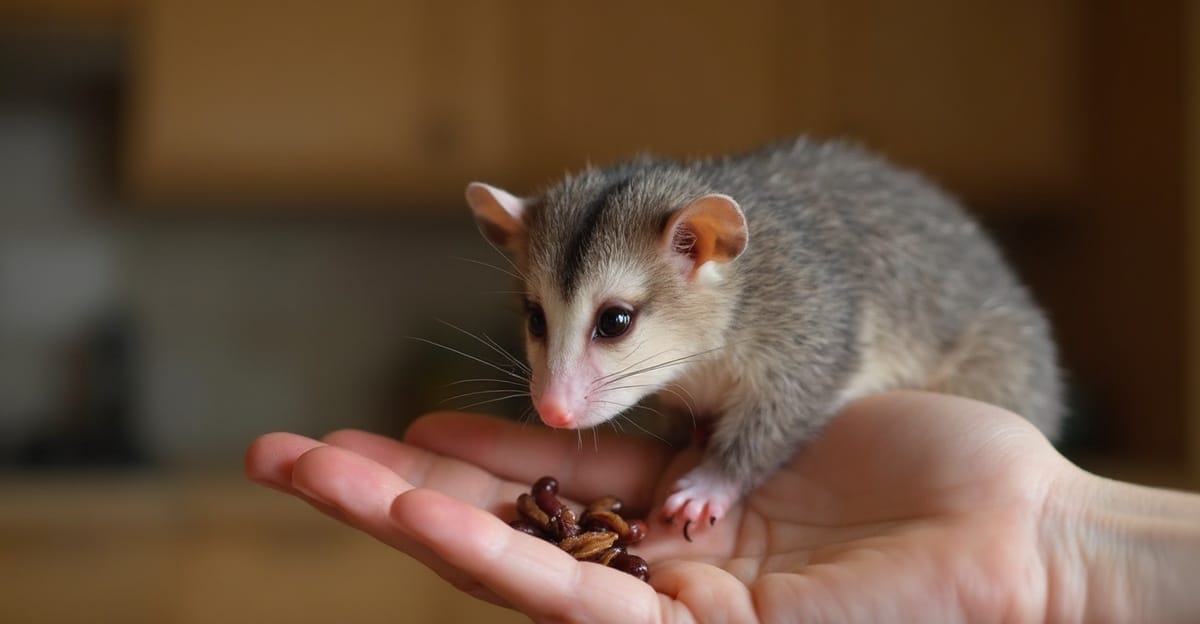
Once your opossum shows curiosity about your presence rather than immediately hiding, begin offering small treats through the enclosure bars or from just inside the habitat opening. High-value foods like tiny pieces of cooked chicken, mealworms, or small fruit pieces work exceptionally well due to their omnivorous diet. Hold the treat steady and allow them to approach at their own speed. Never chase or grab at them during these early interactions, as this will destroy the trust you’re working to build. The goal is creating positive reinforcement techniques that make your presence synonymous with good things happening.
What Are Common Training Challenges?
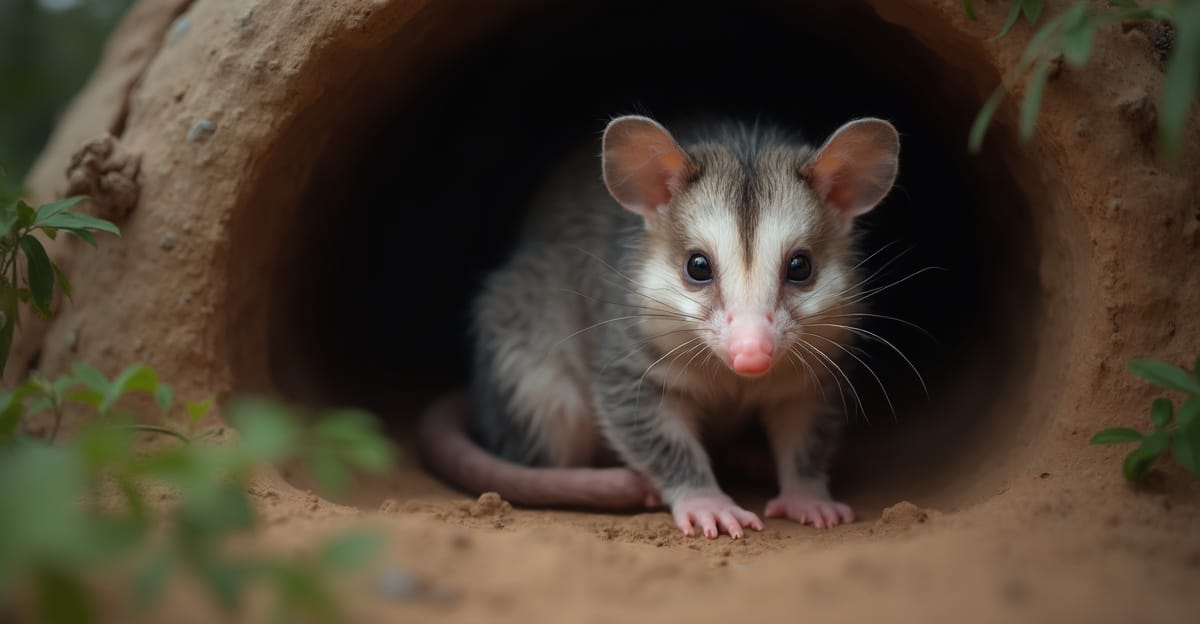
Even with the most patient approach, Short-tailed Opossum owners encounter predictable challenges that can slow or complicate the taming process. Understanding these common obstacles helps you recognize normal setbacks versus serious behavioral problems, allowing you to adjust your approach accordingly.
Dealing with Shyness and Skittish Behavior
Excessive shyness represents the most frequent challenge in short-tailed opossum training, particularly with animals that weren’t socialized during their critical early weeks. A persistently shy opossum may refuse treats, hide immediately when you approach, or remain motionless when handled. This behavior intensifies if the animal experienced trauma or inadequate early handling. Overcoming extreme shyness requires extending the normal 30-60 day taming timeline and reducing interaction intensity. Some opossums need weeks of simple presence-building before they’ll accept treats, and rushing this phase often results in permanent skittishness that’s difficult to reverse.
Understanding Fear-Based Responses
Fear-based nipping or biting in Short-tailed Opossums differs significantly from aggression in other pets. These animals rarely bite from dominance or territorial behavior; instead, biting typically indicates overwhelming fear or perceived threat. A frightened opossum may also exhibit defensive behaviors like hissing, showing teeth, or playing dead. Environmental factors often trigger these responses: sudden loud noises, bright lights during their rest period, or approaching too quickly during handling attempts. Identifying and eliminating fear triggers proves more effective than trying to train through defensive behaviors.
Preventing Training Regression
Short-tailed Opossums can experience significant setbacks in their training progress when their routine changes or stress levels increase. Moving their enclosure, changes in household noise levels, new pets, or inconsistent interaction schedules can cause a previously calm animal to become skittish again. Unlike dogs or cats that may adapt quickly to changes, opossums often require returning to earlier training stages when their environment becomes unpredictable. Maintaining consistency in timing, approach, and environmental conditions prevents most regression issues and keeps progress moving forward steadily.
Can Short-tailed Opossums Be Litter Trained?
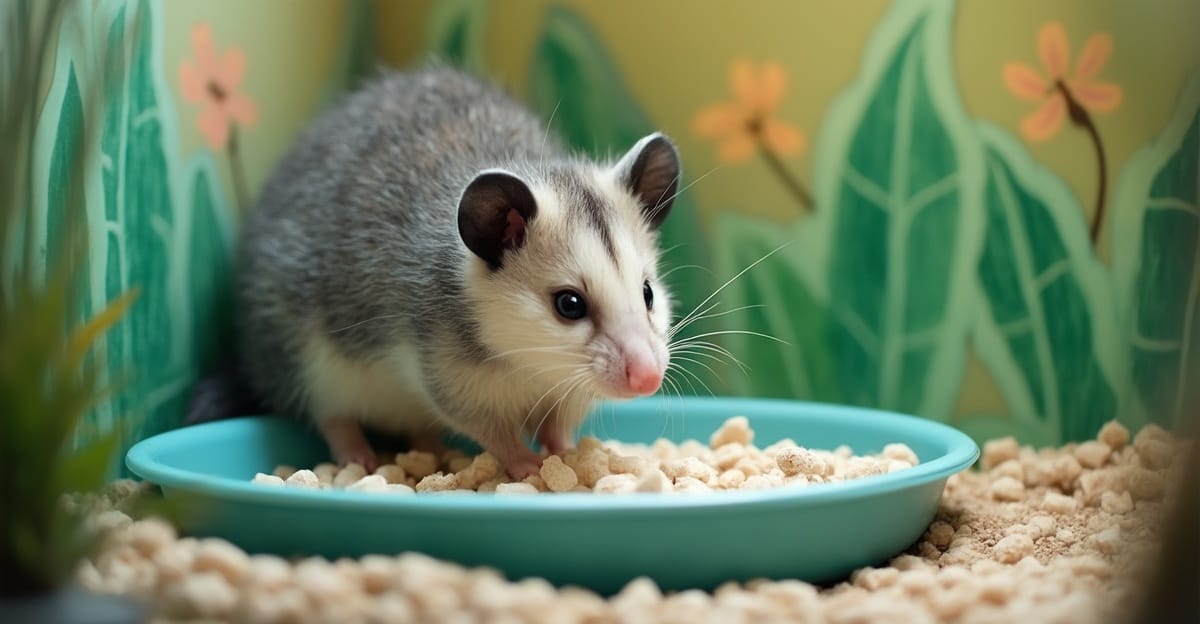
Litter training represents one of the most practical aspects of Short-tailed Opossum care, and fortunately, these animals can be litter trained with consistent effort and positive reinforcement. Their natural elimination habits make this process more achievable than many owners initially expect, though success depends on understanding and working with their instinctual behaviors.
Observing Natural Elimination Patterns
Short-tailed Opossums typically establish one or two preferred elimination areas within their enclosure, usually in corners or areas furthest from their sleeping and eating spaces. This natural tendency toward designated bathroom areas provides the foundation for successful litter training. Spend several days observing where your opossum consistently eliminates before introducing a litter pan. Most animals show clear preferences within the first week of settling into their habitat, making it relatively easy to identify the optimal placement for training success.
Choosing Appropriate Litter Materials
The substrate choice significantly impacts litter training success with these small animals. Avoid clay-based litters, cedar shavings, or any dusty materials that could cause respiratory irritation. Paper-based pellets, recycled paper bedding, or aspen shavings work well because they’re safe if ingested and don’t create dust clouds. The litter pan should be shallow enough for easy access but large enough to accommodate their small size comfortably. Some opossums prefer slightly deeper substrate for digging, while others want minimal material.
Reinforcing Desired Behaviors
Successful litter training requires consistent habitat maintenance that reinforces the desired behavior. Clean soiled areas outside the litter pan immediately while leaving the litter pan contents undisturbed for a day or two, allowing the scent to encourage continued use. Gradually transition to daily litter changes once the behavior is established. Never punish accidents or attempts to eliminate elsewhere, as this creates stress that undermines the entire training process. Instead, simply redirect waste to the litter pan and clean other areas thoroughly to prevent scent-marking that might encourage repeat elimination in unwanted spots.
How to Build Trust with Your Short-tailed Opossum
Step 1: Acclimate Your Opossum
Allow your Short-tailed Opossum at least 3-5 days to settle into its new escape-proof tank or terrarium before attempting any direct interaction. Provide plenty of hiding spots to help it feel secure.
Step 2: Scent Introduction
Place a small, unwashed piece of your clothing (like a t-shirt or sock) inside their enclosure near their sleeping area. This allows them to become familiar with your unique scent in a non-threatening way.
Step 3: Hand Feeding Treats
During their active nocturnal hours, slowly open the enclosure and offer a small, high-value treat (e.g., a tiny piece of cooked chicken, mealworm) from your fingertips. Hold your hand still and let them approach you.
Step 4: Gentle Petting Introduction
Once they consistently take treats from your hand, slowly and gently try to stroke their back or side for a few seconds while they are eating. Avoid sudden movements or grabbing.
Step 5: Short Handling Sessions
After they are comfortable with petting, begin short handling sessions, no more than 5-10 minutes. Scoop them up gently from underneath, supporting their whole body, and hold them close to your chest. Always return them to their enclosure before they show signs of stress.
Step 6: Consistent Routine
Maintain a consistent daily routine for interaction, preferably during their peak activity times. This predictability helps reduce stress and builds a strong bond over the 30-60 day taming period.
Frequently Asked Questions
Are Short-tailed Opossums easy to train?
Short-tailed Opossums are not considered ‘easy’ to train in the traditional sense, as they are not dogs or cats. They require significant patience and a gentle approach due to their shy, nocturnal nature. Taming focuses on building trust and comfort with handling, rather than complex commands. Owners must be prepared for a 30-60 day taming timeline, prioritizing consistent positive reinforcement and understanding their natural behaviors.
How long does it take to train a Short-tailed Opossum?
The initial taming and trust-building process for a Short-tailed Opossum typically takes between 30 to 60 days of consistent, daily interaction. This timeline can vary depending on the individual opossum’s personality and its prior experiences. Rushing the process can lead to increased shyness or skittishness, so patience and gentle handling during their nocturnal active hours are crucial for success.
What are common Short-tailed Opossum behavior problems?
Common behavioral challenges in Short-tailed Opossums include shyness, skittishness, and fear-based nipping or biting, especially if not properly socialized from a young age. They can also exhibit stress-related behaviors if their environment is too loud, their routine is inconsistent, or they feel threatened. Understanding their nocturnal activity cycle and providing a secure, quiet habitat can help mitigate these issues.
Can Short-tailed Opossums be litter trained?
Yes, Short-tailed Opossums can often be litter trained to some extent. They naturally tend to choose one or two specific areas in their enclosure for elimination. By observing these preferred spots and placing a shallow litter pan with appropriate, dust-free substrate (like paper pellets) in those areas, owners can encourage them to consistently use the pan. Consistency in cleaning the rest of the habitat is key to reinforcing this behavior.
Conclusion
Mastering short-tailed opossum training requires embracing their unique nocturnal nature and understanding that success comes through patience rather than force. These remarkable small marsupials respond beautifully to consistent positive reinforcement techniques, transforming from shy, defensive animals into trusting companions over the typical 30-60 day taming period. The key lies in respecting their natural behaviors, working within their comfort zones, and maintaining predictable routines that build security rather than stress. While they may never display the eager-to-please attitude of traditional pets, properly socialized Short-tailed Opossums develop strong bonds with their caregivers and become remarkably handleable. Remember that addressing behavioral challenges like skittishness requires returning to basics rather than pushing forward, and that their moderate handling tolerance makes them rewarding pets for experienced owners willing to invest the time. The journey from fearful prey animal to confident companion showcases the remarkable adaptability of these intelligent creatures when approached with the respect and understanding they deserve. See how the Short-tailed Opossum’s trainability stacks up against similar breeds using our Pet Comparison Tool — compare behavior, intelligence, and care needs side by side.
Sources & References
⚠️ This article is for informational purposes only and does not replace professional veterinary advice. Always consult a qualified vet for your pet’s health needs.