

Understanding Your Rottweiler’s Health and Lifespan
Your powerful, loyal Rottweiler deserves the best possible care throughout their life. These magnificent German working dogs face unique health challenges that every owner should understand. From genetic predispositions to lifestyle-related issues, being informed about common rottweiler health problems can make the difference between a shortened lifespan and years of quality time together. With proper knowledge, preventive care, and early intervention, you can help your Rottweiler live their healthiest life possible. This comprehensive guide will walk you through the most important health considerations for your breed, helping you become your dog’s best advocate when it comes to medical care and wellness management.
Table of Contents
Key Takeaways
- Rottweilers typically live 8-10 years, with cancer being a leading cause of mortality.
- Hip and elbow dysplasia are prevalent genetic conditions requiring careful screening and management.
- Obesity is a significant concern for Rottweilers, impacting joint health and overall lifespan.
- Regular veterinary check-ups, a balanced diet, and appropriate exercise are crucial for a Rottweiler’s well-being.
Quick Facts
| Size Category | Very Large |
| Origin | Germany |
| Hypoallergenic | no |
| Energy Level | moderate energy |
| Trainability | highly trainable |
| breed lifespan | 9.0 years |
| breed top3 conditions | hip dysplasia, elbow dysplasia, obesity |
| breed health tests | OFA certification for hip and elbow dysplasia, cardiac, patellas, and thyroid |
Common Health Issues in Rottweilers
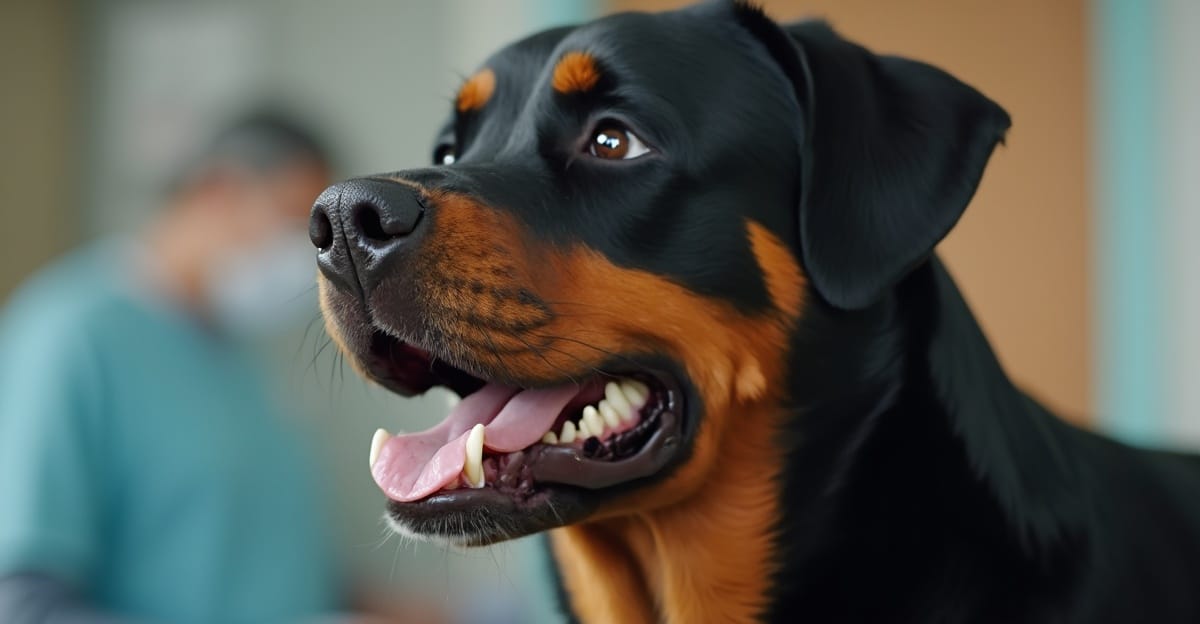
Rottweilers face several breed-specific health challenges that stem from both their genetics and their large size. Understanding these common rottweiler health problems helps owners recognize early warning signs and seek appropriate veterinary care. The breed’s impressive stature and working heritage come with inherent risks that responsible ownership must address.
Orthopedic Conditions and Joint Problems
Hip and elbow dysplasia top the list of concerns for Rottweiler owners. These developmental conditions occur when the joints don’t form properly, leading to arthritis, pain, and mobility issues. According to the Orthopedic Foundation for Animals (OFA), Rottweilers show significant rates of both conditions. Hip dysplasia affects the ball-and-socket joint of the hip, while elbow dysplasia involves malformation of the elbow joint. Both conditions are hereditary but can be exacerbated by rapid growth, excessive exercise in puppyhood, and obesity. The AKC emphasizes the importance of health testing breeding dogs to reduce the incidence of these conditions in future generations.
Weight Management and Metabolic Issues
Obesity represents one of the most preventable yet common health problems in Rottweilers. Their love of food combined with their naturally stocky build makes weight management challenging. Excess weight puts additional stress on already vulnerable joints, accelerating the development of arthritis and dysplasia. The condition also increases the risk of diabetes, heart disease, and respiratory problems. Veterinary nutritionists recommend regular body condition scoring to monitor your Rottweiler’s weight status. A dog at ideal weight should have a visible waist when viewed from above and ribs that are easily felt but not visible.
Cancer Prevalence in the Breed
Cancer poses the most serious long-term health threat to Rottweilers, accounting for approximately 33% of deaths in the breed. Common types include osteosarcoma (bone cancer), lymphoma, and hemangiosarcoma. Osteosarcoma typically affects the long bones of the legs and can cause sudden onset lameness. Lymphoma may present as swollen lymph nodes, while hemangiosarcoma often remains hidden until advanced stages. The ASPCA notes that early detection significantly improves treatment outcomes for many cancers. Regular veterinary examinations become increasingly important as Rottweilers age, allowing for early identification of suspicious lumps, changes in behavior, or other concerning symptoms.
How to Manage Rottweiler Hip Dysplasia

Hip dysplasia management requires a multi-faceted approach combining early detection, lifestyle modifications, and appropriate medical interventions. This genetic condition affects a significant percentage of Rottweilers, but proper management can help affected dogs maintain good quality of life for years. Working closely with your veterinarian ensures the best possible outcome for your dog.
Early Detection and Health Screening
OFA certification provides the gold standard for hip dysplasia screening in Rottweilers. This evaluation typically occurs after 24 months of age when skeletal maturity is reached. The process involves X-rays taken under sedation to properly position the hips for evaluation. Veterinary radiologists then grade the hips as Excellent, Good, Fair, or various degrees of dysplastic. PennHIP evaluation offers an alternative screening method that can be performed earlier and may provide additional prognostic information. Both systems help breeders make informed decisions and allow owners to plan for potential future care needs.
Conservative Management Strategies
Weight management forms the cornerstone of conservative hip dysplasia treatment. Maintaining your Rottweiler at optimal weight reduces stress on affected joints and slows disease progression. Low-impact exercise such as swimming provides excellent muscle strengthening without excessive joint stress. Physical therapy techniques, including range-of-motion exercises and controlled walking programs, help maintain joint mobility. Many veterinarians recommend joint supplements containing glucosamine and chondroitin, though scientific evidence for their effectiveness remains mixed. Anti-inflammatory medications may provide pain relief during flare-ups, but long-term use requires careful monitoring for side effects.
Surgical Intervention Options
Severe hip dysplasia cases may benefit from surgical correction. Total Hip Replacement (THR) offers the most definitive treatment for advanced cases, essentially providing a new artificial joint. This procedure typically provides excellent long-term results but requires significant financial investment and careful post-operative management. Femoral Head Ostectomy (FHO) represents a more affordable option that removes the ball portion of the hip joint, allowing scar tissue to form a false joint. While less expensive than THR, FHO may not provide the same level of function, particularly in large dogs like Rottweilers. Your veterinary orthopedic specialist can help determine which option best suits your dog’s specific condition and your family’s circumstances.
What Are the Signs of Obesity in Rottweilers?

Recognizing obesity in Rottweilers requires understanding both visual and physical assessment techniques. The breed’s naturally muscular build can mask excess weight, making regular evaluation crucial. Obesity develops gradually, often going unnoticed until significant health impacts occur. Learning to assess your dog’s body condition helps prevent weight-related health complications.
Physical Assessment Techniques
The rib test provides the most reliable method for assessing your Rottweiler’s body condition. Run your hands along your dog’s sides with gentle pressure – you should easily feel the ribs without pressing hard, but they shouldn’t be visible. An overweight dog will have ribs that are difficult to feel beneath a layer of fat. From above, your Rottweiler should have a visible waist tuck behind the ribs. From the side, the abdomen should tuck up toward the rear legs rather than hanging down. VCA Animal Hospitals recommend using a standardized body condition scoring system, typically rated from 1-9, with 5 representing ideal weight. Scores of 6-9 indicate varying degrees of overweight to obese conditions.
Behavioral and Mobility Changes
Obesity often manifests through subtle behavioral changes before obvious physical signs appear. Reduced enthusiasm for exercise, reluctance to climb stairs, or difficulty getting up from lying down may indicate excess weight is affecting your Rottweiler’s comfort. Decreased playfulness, increased sleeping, and reluctance to go on walks often accompany weight gain. Heavy breathing during minimal exertion or inability to tolerate heat may signal that excess weight is compromising cardiovascular function. Some dogs become less social or more irritable when carrying extra weight due to joint discomfort. These behavioral changes often improve dramatically with successful weight loss, highlighting the importance of maintaining optimal body condition.
Health Consequences and Risk Factors
Obesity in Rottweilers accelerates the development of arthritis and exacerbates existing joint problems like hip dysplasia. The additional weight places mechanical stress on joints while inflammatory compounds produced by fat tissue promote joint deterioration. Overweight Rottweilers face increased risks of diabetes, heart disease, and respiratory problems. The condition also complicates anesthesia and surgery, making routine procedures more dangerous. Heat intolerance becomes more pronounced in obese dogs, particularly concerning for a breed with moderate heat tolerance. PetMD notes that even moderately overweight dogs have shortened lifespans compared to their lean counterparts, making weight management a critical component of responsible Rottweiler ownership.
Is Your Rottweiler at Risk for Cancer?

Cancer represents the leading cause of death in Rottweilers, making awareness and early detection crucial for every owner. Understanding the types of cancer that commonly affect the breed, recognizing early warning signs, and maintaining appropriate veterinary care schedules can significantly impact outcomes. While cancer risk increases with age, some forms can affect younger dogs as well.
Common Cancer Types in Rottweilers
Osteosarcoma, or bone cancer, occurs frequently in large breed dogs like Rottweilers. This aggressive cancer typically affects the long bones of the legs, causing sudden onset lameness that doesn’t improve with rest. The tumor weakens the affected bone, sometimes leading to pathologic fractures. Lymphoma presents as enlarged lymph nodes, often first noticed in the neck, armpits, or groin area. This cancer of the lymphatic system may also cause decreased appetite, lethargy, and weight loss. Hemangiosarcoma affects blood vessels and often remains undetected until advanced stages. This cancer commonly involves the spleen or heart, potentially causing sudden collapse due to internal bleeding. The American Veterinary Medical Association emphasizes that early detection significantly improves treatment success for all these cancer types.
Warning Signs and Symptoms
Persistent lameness in one leg, especially without known injury, warrants immediate veterinary attention in Rottweilers. Any new lumps or bumps should be evaluated promptly, as some cancers present as masses under the skin. Changes in appetite, energy level, or bathroom habits may indicate internal cancers affecting organ function. Unexplained weight loss, difficulty breathing, or persistent coughing require urgent veterinary evaluation. Behavioral changes such as increased hiding, reluctance to move, or signs of pain may signal developing health problems. The key to successful cancer treatment lies in early detection, making regular veterinary examinations increasingly important as your Rottweiler ages.
Prevention and Early Detection Strategies
While genetic predisposition to cancer cannot be eliminated, certain strategies may help reduce risk or improve outcomes. Maintaining optimal body weight throughout your Rottweiler’s life may reduce cancer risk while improving treatment tolerance if cancer develops. Regular veterinary examinations, including blood work and physical palpation, help identify problems in early stages. Some veterinarians recommend more frequent check-ups for senior Rottweilers, given the breed’s cancer predisposition. Spaying or neutering may reduce risks of certain reproductive cancers, though timing recommendations have evolved based on recent research. The ASPCA recommends discussing cancer screening protocols with your veterinarian, particularly as your Rottweiler reaches middle age. While no prevention method is foolproof, proactive care provides the best opportunity for early detection and successful treatment.
Frequently Asked Questions
What health problems do Rottweilers have?
Rottweilers are predisposed to several health conditions, including hip and elbow dysplasia, which are common orthopedic issues. They also have a higher risk of obesity, osteoarthritis, and various cancers, such as osteosarcoma. Dental problems and certain behavioral issues like aggression have also been noted in breed health surveys. Regular veterinary care and proactive management are key to addressing these concerns.
How long do Rottweilers live?
The average lifespan for a Rottweiler is approximately 8 to 10 years. This can vary based on genetics, diet, exercise, and overall healthcare. Cancer is a leading cause of mortality in the breed, accounting for about 33% of deaths. Proactive health management, including regular vet visits and a healthy lifestyle, can contribute to a longer, healthier life.
How much does a Rottweiler vet visit cost?
The cost of a Rottweiler vet visit can vary widely based on location, the clinic, and the specific services needed. Routine check-ups might range from $50-$150, while health screenings like OFA certifications for hips and elbows can cost several hundred dollars. Emergency visits or treatments for serious conditions like cancer or dysplasia can easily run into thousands. Pet insurance is often recommended to help manage these expenses.
Can Rottweilers develop hip dysplasia?
Yes, Rottweilers are highly susceptible to hip dysplasia, a genetic condition where the hip joint doesn’t form properly. This can lead to pain, arthritis, and lameness. Early screening through OFA certification, maintaining a healthy weight, and providing appropriate exercise are crucial for managing this condition. Consult your veterinarian for diagnosis and treatment options.
Conclusion
Understanding and addressing rottweiler health problems requires commitment, knowledge, and partnership with qualified veterinary professionals. The breed’s predisposition to conditions like hip dysplasia, obesity, and cancer means that proactive care becomes even more critical than with many other breeds. Regular health screenings, maintaining optimal weight, and staying vigilant for early warning signs can significantly impact your dog’s quality of life and longevity. While the average Rottweiler lifespan may be shorter than some breeds, many dogs live fulfilling lives when their health needs are properly managed. The key lies in early intervention, consistent preventive care, and working closely with your veterinarian to develop a health plan tailored to your individual dog’s needs. Remember that every dog is unique, and what works for one Rottweiler may need adjustment for another. Stay informed about your breed’s specific health risks, maintain regular veterinary relationships, and never hesitate to seek professional advice when concerns arise. Your Rottweiler’s health journey is a marathon, not a sprint, requiring sustained attention throughout their life. Use our Pet Age Calculator to discover your Rottweiler’s life stage, potential health risks, and what to watch for at their current age.
Sources & References
This article is for informational purposes only and does not constitute veterinary advice. Always consult a qualified veterinarian for health concerns specific to your Rottweiler.