
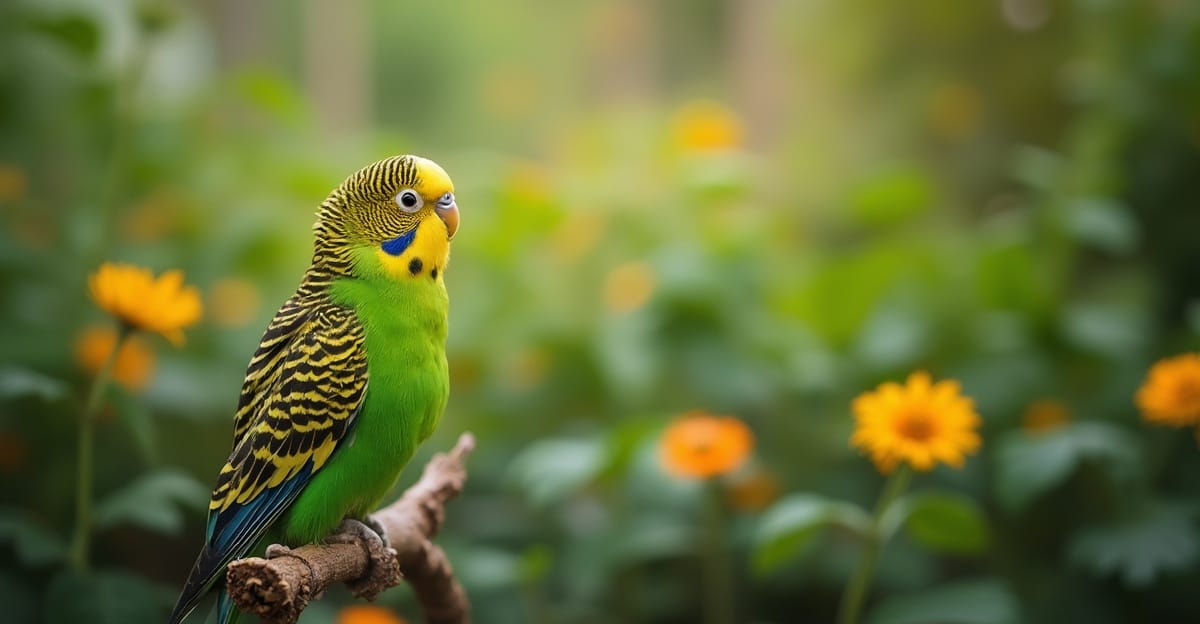
Your Complete Guide to Owning a Budgerigar
The cheerful chirping of a Budgerigar can transform any home into a lively sanctuary. These small, colorful Australian natives have captured hearts worldwide with their playful personalities and remarkable ability to mimic human speech. Whether you’re drawn to their vibrant plumage or their social nature, this budgerigar owner guide will equip you with everything needed to provide exceptional care for your feathered companion. From understanding their unique needs to creating the perfect environment, you’ll discover why Budgerigars make such rewarding pets for both beginners and experienced bird enthusiasts alike.
Table of Contents
Key Takeaways
- Budgerigars are small, social birds, perfect for first-time bird owners due to their easy care and moderate affection.
- A spacious cage (minimum 46W × 46D × 61H cm) with varied perches and toys is crucial for their physical and mental well-being.
- Be vigilant about household hazards; many common items, including certain plants and non-stick cookware fumes, are highly toxic to Budgerigars.
- Consistent daily interaction and at least one hour of supervised out-of-cage time are essential for a well-adjusted and tamed Budgerigar.
Quick Facts
| Size Category | Small |
| Origin | Australia |
| Diet Type | Seed-based |
| Out Of Cage Min Hours | 1 |
| Beginner Friendly | beginner-friendly |
| First Time Difficulty | easy to care for |
| Toxic Household Items | many common household plants and foods are toxic to Budgerigars, including avocado, chocolate, and certain houseplants like philodendron |
| Taming Timeline | can be tamed within a few weeks with consistent handling and positive reinforcement |
What to Expect as a New Budgerigar Owner
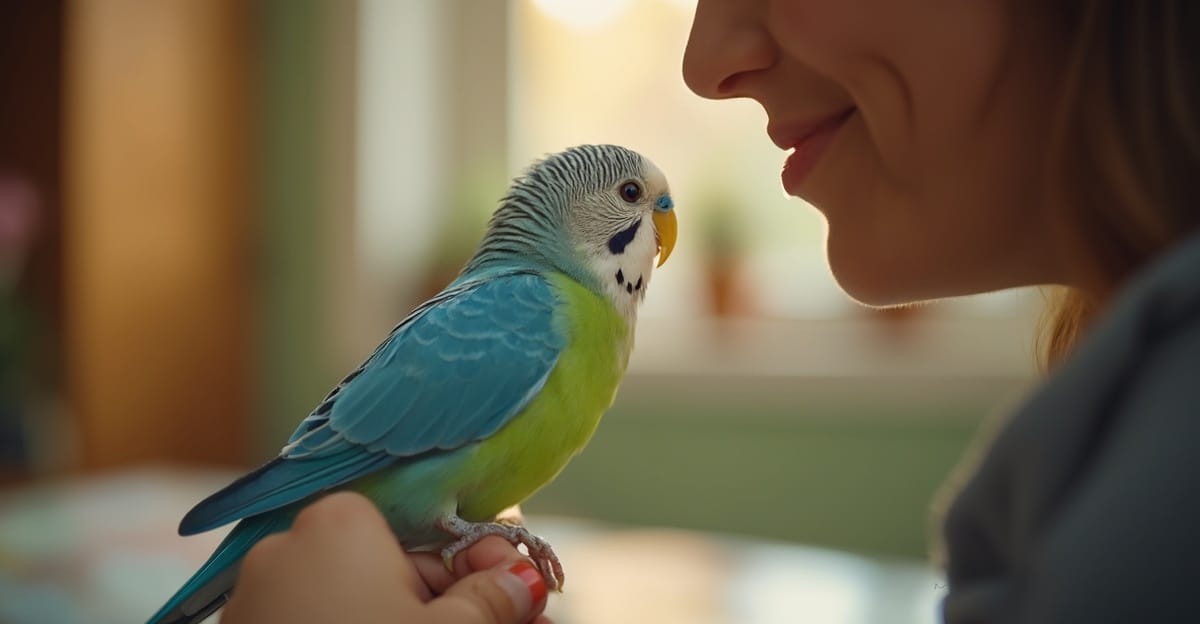
Bringing home your first Budgerigar marks the beginning of an exciting journey filled with chirps, chatter, and companionship. These remarkable birds offer a perfect introduction to avian ownership, combining manageable care requirements with engaging personalities that develop over time.
Understanding Your Budgerigar’s Personality
Budgerigars exhibit moderately affectionate behavior that grows stronger through consistent interaction. Unlike some parrot species that demand constant attention, these birds strike a comfortable balance between independence and social engagement. You’ll notice your Budgerigar displaying curiosity about daily activities, often positioning themselves to observe household routines from their cage. Their strong talking and mimicry ability means you might soon hear your own words echoed back in their distinctive voice, creating delightful moments of connection.
The quiet nature of Budgerigars makes them apartment-friendly companions. While they do vocalize throughout the day, their sounds rarely reach disruptive levels. Morning and evening tend to be their most active periods, when you’ll hear cheerful chirping and potential attempts at speech. Their low destruction potential means your furniture and belongings remain safe, though they do enjoy chewing appropriate toys and perches.
Long-term Commitment and Realistic Expectations
With a lifespan spanning 7-15 years, Budgerigar ownership represents a significant commitment that extends well beyond the initial excitement of bringing your bird home. During this time, you’ll witness personality development, potential breeding behaviors if keeping pairs, and the gradual strengthening of your bond through daily interactions.
While the affordable initial cost makes Budgerigars accessible to many households, ongoing expenses accumulate over their lifetime. Quality seed-based diets, regular toy replacements, annual veterinary check-ups, and potential emergency medical care contribute to the total cost of ownership. Planning for these expenses ensures your Budgerigar receives consistent, high-quality care throughout their life.
How to Set Up a Budgerigar Cage
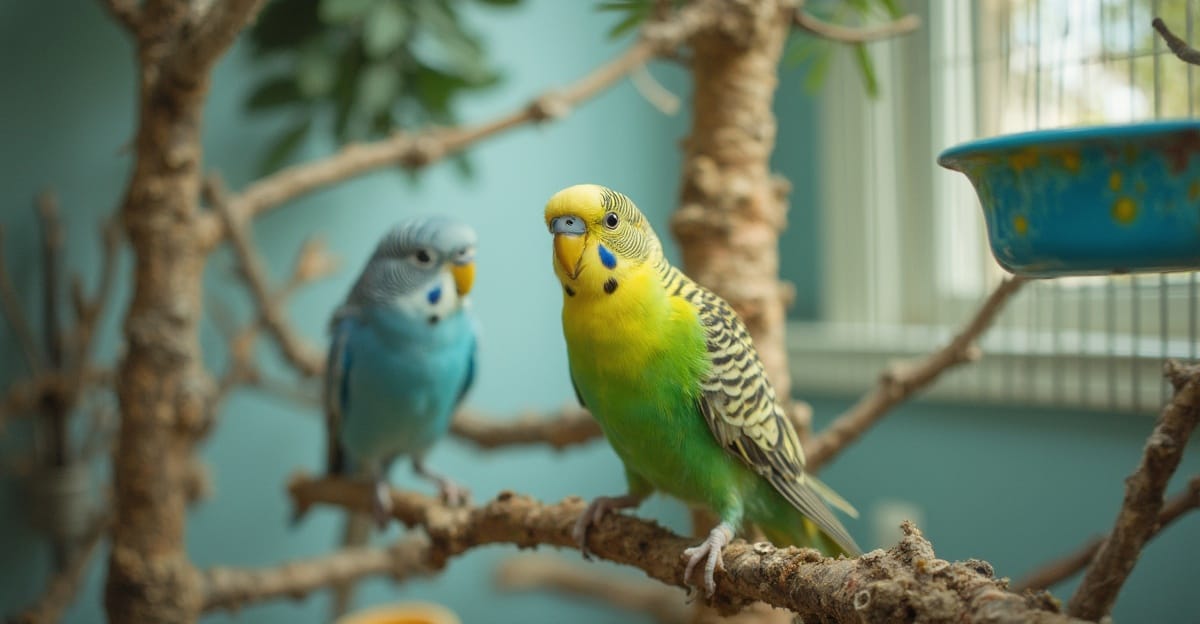
Creating an optimal living environment for your Budgerigar requires careful attention to space, safety, and enrichment. The cage serves as their primary habitat, making thoughtful setup crucial for their physical health and mental stimulation.
Choosing the Right Cage Size and Design
The minimum cage dimensions of 46W × 46D × 61H cm provide adequate space for a single Budgerigar, though larger enclosures always benefit these active birds. Horizontal space proves more valuable than vertical height, as Budgerigars prefer flying side to side rather than up and down. Bar spacing should measure between 1/2 to 5/8 inches to prevent escape while allowing comfortable perching.
Position the cage away from drafts, direct sunlight, and kitchen areas where cooking fumes could pose health risks. A location that allows your Budgerigar to observe family activities while maintaining a sense of security works best. Consider placing one side of the cage against a wall to provide a feeling of safety and reduce stress from feeling exposed on all sides.
Essential Accessories and Enrichment
Perch variety promotes foot health and prevents pressure sores that develop from standing on identical surfaces. Include natural wood branches of varying diameters, rope perches for texture variation, and smooth dowels for contrast. Avoid sandpaper-covered perches, which can cause foot irritation over time.
Food and water dishes require daily cleaning to prevent bacterial growth. Stainless steel or ceramic bowls work best, as plastic can harbor bacteria in scratches. Position dishes away from perches to minimize contamination from droppings. A separate dish for fresh vegetables and treats encourages dietary variety.
✅ Cage checklist: appropriate bar spacing, multiple perch sizes, food/water bowls, toys, covered at night.
Toy rotation maintains mental stimulation and prevents boredom. Budgerigars enjoy toys they can manipulate, chew, and explore. Bells, mirrors, and foraging toys provide different types of enrichment. However, limit mirrors if you notice obsessive behavior, as some birds become overly attached to their reflection.
Is a Budgerigar Right for You?
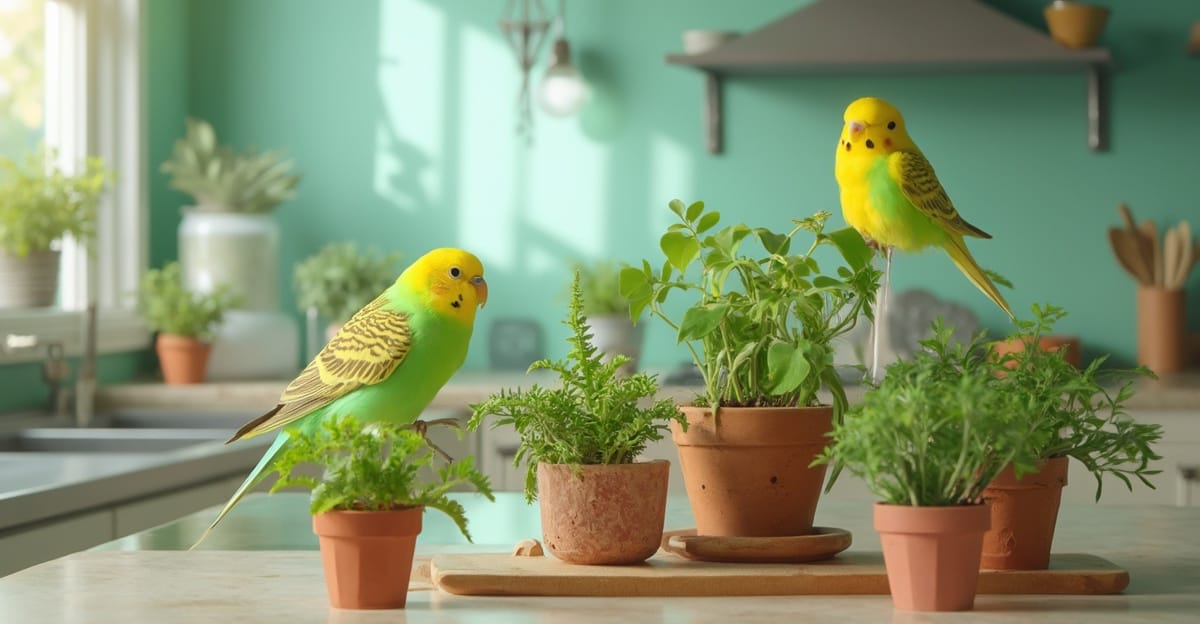
Understanding the potential hazards in your home environment is crucial for successful budgerigar health management. These sensitive birds face numerous household dangers that require constant vigilance and proactive safety measures.
Critical Household Safety Considerations
Budgerigars possess extremely sensitive respiratory systems that make them vulnerable to airborne toxins that barely affect humans or other pets. Non-stick cookware releases fumes when overheated that can prove fatal to birds within minutes. Scented candles, air fresheners, cleaning products, and aerosol sprays all pose serious respiratory threats that require complete elimination from areas where your bird spends time.
⚠️ TOXIC to birds: Teflon/non-stick cookware fumes, scented candles, air fresheners, cleaning products. Birds have extremely sensitive respiratory systems.
Kitchen environments present multiple dangers beyond cooking fumes. Open flames, hot surfaces, and access to garbage containing harmful foods create constant risks during out-of-cage time. Establishing bird-safe zones in your home ensures supervised exploration remains enjoyable rather than dangerous.
Toxic Foods and Plants to Avoid
Many common household items that seem harmless can prove deadly to Budgerigars. Avocado contains persin, a compound that causes heart failure in birds. Chocolate contains theobromine, which birds cannot metabolize effectively. Other dangerous foods include caffeine, alcohol, salt, and fruit pits containing cyanide.
Houseplants add another layer of complexity to bird-proofing your home. Philodendrons, pothos, and many flowering plants contain compounds toxic to birds. Before bringing your Budgerigar home, research every plant in your house and remove any that pose risks. Even non-toxic plants can present dangers if treated with pesticides or fertilizers.
How Much Social Interaction Does a Budgerigar Need?
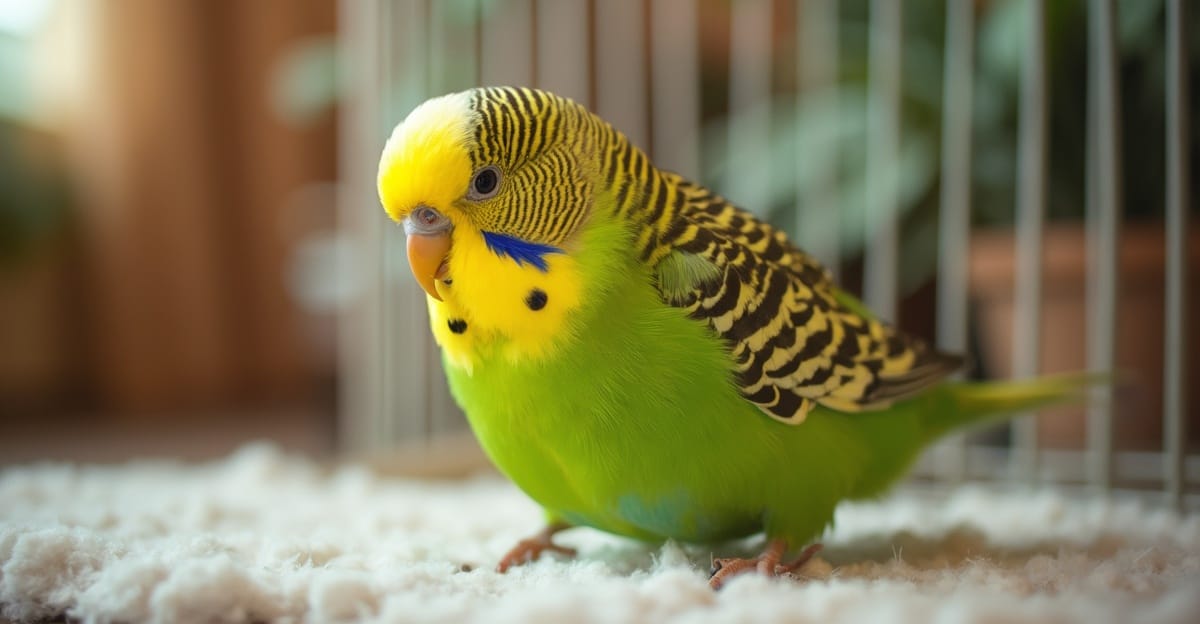
The social needs of Budgerigars often surprise new owners who underestimate these birds’ desire for companionship and mental stimulation. Meeting these budgerigar social needs requires consistent daily commitment and understanding of their natural behaviors.
Daily Interaction Requirements
Budgerigars thrive on routine social interaction that mimics the flock dynamics they would experience in the wild. At minimum, plan for one hour of supervised out-of-cage time daily, though many birds benefit from longer periods of freedom. This time allows for exercise, exploration, and bonding opportunities that strengthen your relationship.
During cage time, regular conversation helps maintain social connection. Budgerigars often respond to their owner’s voice with chirping, head bobbing, or attempts at mimicry. Reading aloud, singing, or simply narrating daily activities provides the social stimulation these intelligent birds crave. Their strong talking ability develops more readily with consistent vocal interaction.
Taming and Bonding Process
The taming timeline for Budgerigars typically spans several weeks with consistent, patient effort. Initial days should focus on allowing your bird to acclimate to their new environment without pressure for direct interaction. Sitting quietly near the cage while reading or working helps your Budgerigar become comfortable with your presence.
Positive reinforcement through treats like millet spray accelerates the bonding process. Start by offering treats through cage bars, gradually progressing to having your bird take food from your hand inside the cage. Once comfortable with hand feeding, you can begin training your Budgerigar to step onto your finger using gentle pressure against their lower chest.
Consider the benefits of keeping pairs if your schedule limits daily interaction time. While single birds often bond more closely with human companions, pairs provide constant social stimulation and natural behaviors that enrich their lives. However, paired birds may be less inclined to develop strong human bonds or talking abilities.
How to Tame Your Budgerigar
Step 1: Initial Acclimation Period
Allow your new Budgerigar a few days to acclimate to its cage and new surroundings before attempting direct interaction. Keep noise levels low and approach the cage calmly.
Step 2: Building Trust Through Presence
Begin by sitting quietly near the cage, talking softly to your Budgerigar. This helps them get used to your presence and voice without feeling threatened.
Step 3: Introduction to Hand Feeding
Offer treats like millet spray through the cage bars. Hold it still and let your Budgerigar approach at its own pace, associating your hand with positive experiences.
Step 4: Hand Placement Inside Cage
Once comfortable taking treats from your hand through the bars, slowly introduce your hand inside the cage, still offering millet. Avoid sudden movements.
Step 5: Teaching the Step-Up Command
Encourage your Budgerigar to step onto your finger by gently pressing your finger against its lower chest. Reward immediately with praise and a treat when it complies.
Step 6: Supervised Out-of-Cage Time
Once your Budgerigar is comfortable stepping up, begin taking it out of the cage for short, supervised periods in a bird-safe room, continuing positive reinforcement.
Frequently Asked Questions
Is a Budgerigar good for first-time owners?
Yes, Budgerigars are considered an excellent choice for first-time bird owners. They are relatively easy to care for, beginner-friendly, and their small size and quiet nature make them manageable. Their moderate training ease and social needs mean they can form strong bonds with consistent interaction, making the ownership experience rewarding for novices.
What do I need before getting a Budgerigar?
Before bringing a Budgerigar home, you’ll need a spacious cage (minimum 46W × 46D × 61H cm), quality seed-based diet, fresh water bowls, a variety of perches, stimulating toys, and a bird-safe room for out-of-cage time. It’s also crucial to identify an avian veterinarian and schedule an initial check-up soon after adoption.
How much does owning a Budgerigar cost per year?
While initial purchase and cage setup are affordable, annual costs for a Budgerigar can range from $150-$300. This includes quality feed, treats, replacement toys, bedding, and routine veterinary check-ups. Emergency vet visits or specialized care can significantly increase this estimate, so budgeting for unforeseen circumstances is wise.
Can Budgerigars talk?
Yes, Budgerigars are renowned for their strong talking and mimicry ability. With consistent training and positive reinforcement, many Budgerigars can learn to mimic human speech and various sounds. Males are generally more prone to talking than females, but individual personalities vary greatly, and not all Budgerigars will become fluent talkers.
Conclusion
Budgerigars offer an ideal introduction to bird ownership, combining manageable care requirements with engaging personalities that develop through consistent interaction. Their social nature, combined with relatively simple dietary needs and quiet demeanor, makes them perfect companions for households seeking an affectionate yet independent pet. Success with your budgerigar owner guide depends on providing adequate cage space, maintaining vigilant attention to household hazards, and committing to daily social interaction that nurtures their intelligent, curious nature. The budgerigar lifespan of 7-15 years means this relationship will evolve and deepen over time, rewarding patient owners with years of companionship, entertainment, and the joy of watching a small creature thrive under their care. Understanding their budgerigar diet requirements, ensuring proper budgerigar cage size, and recognizing early signs of budgerigar health issues will help you provide the best possible life for your feathered friend. Still wondering if the Budgerigar is the right match for your lifestyle? Take our Pet Matchmaker Quiz and get your perfect pet match with a compatibility score.
Sources & References
⚠️ This article is for informational purposes only and does not replace professional veterinary advice. Always consult a qualified vet for your pet’s health needs.