

Your Comprehensive Guide to Owning a Whippet
The elegant Whippet combines the grace of a sighthound with the heart of a devoted companion. These medium-sized dogs from England captivate owners with their unique blend of lightning speed and couch potato tendencies. If you’re considering welcoming one into your home, this comprehensive whippet owner guide will equip you with everything you need to know about these remarkable dogs. From their very affectionate nature to their specific care requirements, understanding what makes Whippets special is the first step toward a successful partnership with this quiet companion and highly trainable breed.
Table of Contents
Key Takeaways
- Whippets are very affectionate and thrive on companionship, making them excellent family pets.
- Despite their high energy, Whippets are quiet companions indoors and highly trainable.
- Their thin coats make them sensitive to cold, requiring protective gear in cooler climates.
- Early socialization and consistent positive reinforcement training are crucial for a well-adjusted Whippet.
Quick Facts
| Size Category | Medium |
| Origin | England |
| Hypoallergenic | no |
| Energy Level | very high energy |
| Trainability | highly trainable |
| breed first time difficulty | moderate |
| breed socialization window | 8 to 16 weeks |
| breed puppy cost | ~$800-$1,500 (estimate) |
What to Expect as a Whippet Owner
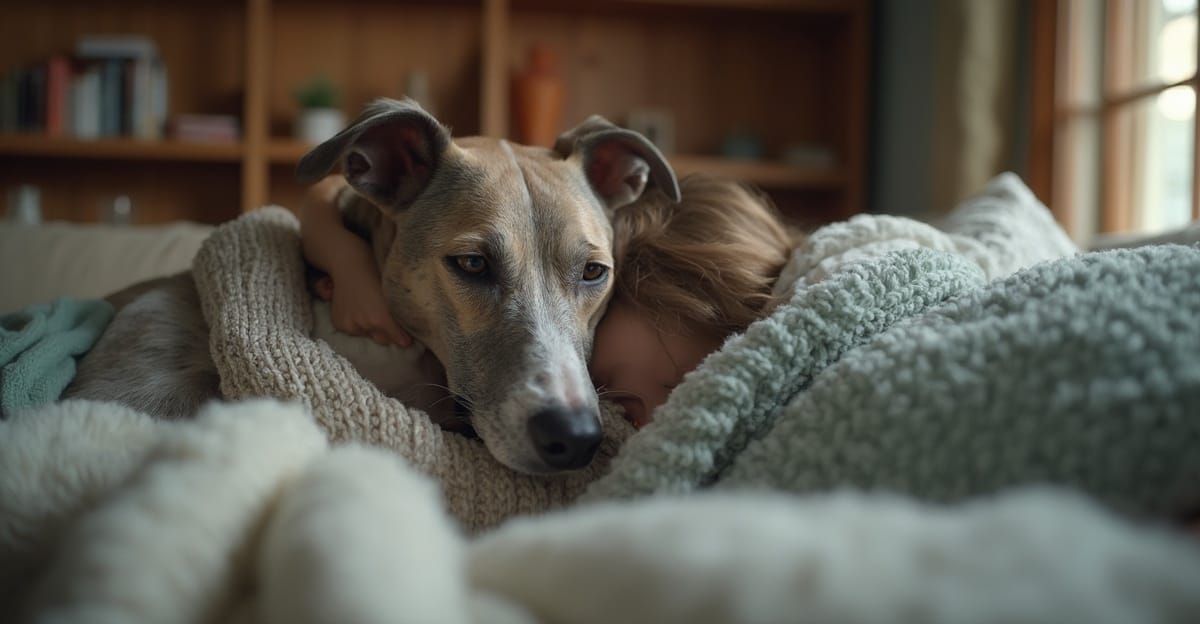
Stepping into life with a Whippet means embracing a dog that defies many traditional expectations. These medium-sized dogs possess an extraordinary capacity for affection that goes beyond typical canine companionship. Your Whippet will likely become your shadow, seeking out physical closeness and emotional connection throughout the day. They’re known for their ability to read human emotions and respond accordingly, making them exceptional therapy dogs and emotional support animals.
Understanding the Sprint and Snooze Lifestyle
Despite their classification as a very high energy breed, Whippets exhibit what enthusiasts call the ‘sprint and snooze’ mentality. This means your dog will have periods of intense activity followed by extended rest periods that can last several hours. During active phases, they may reach speeds up to 35 miles per hour, making secure fencing absolutely essential. However, once they’ve expended their energy, they transform into the ultimate couch companions, often sleeping 18-20 hours per day.
The Quiet Companion Advantage
One of the most appealing aspects of Whippet ownership is their naturally quiet disposition. Unlike many high energy breeds that vocalize frequently, Whippets are remarkably reserved with their barking. They typically only vocalize when alerting to genuine concerns or during play, making them excellent choices for apartment living or neighborhoods with noise restrictions. This quiet nature, combined with their moderate space needs, allows them to adapt well to various living situations as long as their exercise requirements are met.
Harnessing Their Trainable Nature
The highly trainable aspect of Whippets makes them a joy to work with for owners who appreciate intelligence and responsiveness. They excel in positive reinforcement training and often surprise owners with their eagerness to learn new commands and tricks. Their sensitive nature means harsh training methods are counterproductive, but gentle, consistent guidance yields remarkable results. Many Whippets excel in dog sports like lure coursing, agility, and even therapy work due to their combination of intelligence and gentle temperament.
How to Care for a Whippet Puppy

Bringing home a Whippet puppy requires specific preparation and understanding of their unique developmental needs. The foundation you build during the first few months will shape your dog’s entire life, making proper preparation essential for success. From the moment your puppy arrives, you’ll need to balance their physical needs with their emotional development while establishing routines that will serve you both well into adulthood.
The Critical Socialization Window
The period between 8 to 16 weeks represents the most crucial time in your Whippet puppy’s social development. During this window, your puppy’s brain is exceptionally receptive to new experiences, making it the ideal time to introduce them to various people, sounds, environments, and situations. Proper socialization during this period helps prevent fearfulness and anxiety later in life. Take your puppy to puppy classes, arrange controlled meetings with friendly dogs and people, and expose them to different surfaces, sounds, and environments in a positive way.
Creating the Perfect Puppy Environment
Your Whippet puppy needs a secure, comfortable space that serves multiple purposes. A properly sized crate becomes their personal den, aiding in house training while providing security when you can’t supervise directly. The crate should be large enough for your puppy to stand, turn around, and lie down comfortably, but not so large that they can eliminate in one corner and sleep in another. Supplement the crate with soft, washable bedding and ensure the area remains draft-free, as even young Whippets are sensitive to temperature changes.
Managing Cold Sensitivity from Day One
Even as puppies, Whippets require special attention to temperature regulation due to their thin skin and minimal body fat. Your puppy will need appropriate outerwear for any outdoor excursions in temperatures below 50°F. Indoor heating should be consistent, and you may notice your puppy seeking out warm spots like sunny patches or near heating vents. Providing multiple soft blankets and heated beds helps ensure your puppy stays comfortable and healthy during their crucial growth period.
Is a Whippet Right for You?
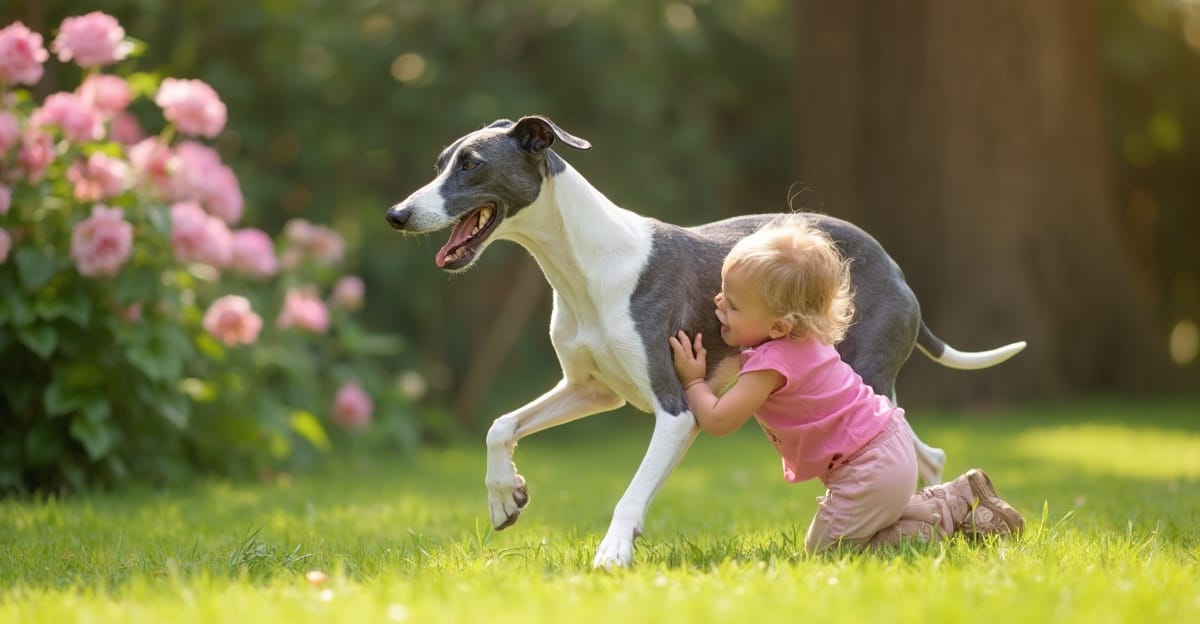
Determining whether a Whippet fits your lifestyle requires honest assessment of your living situation, schedule, and expectations. These dogs have specific needs that, when met, result in incredibly rewarding relationships. However, mismatched expectations can lead to challenges for both dog and owner. Understanding what Whippets require for optimal happiness helps ensure a successful long-term partnership.
Companionship and Social Needs
Whippets are fundamentally social creatures who thrive on regular human interaction and companionship. They’re not suited for households where they’ll be left alone for extended periods regularly. While they can handle 4-6 hours alone occasionally, longer periods often result in separation anxiety, which can manifest as destructive behavior or excessive vocalization. If your work schedule requires long absences, consider doggy daycare, pet sitters, or whether another breed might be more suitable for your situation.
Family and Pet Compatibility
These affectionate pets generally excel with children and other pets when properly introduced and socialized. Their gentle nature makes them excellent family dogs, though their sighthound instincts mean they may chase smaller animals. Supervision during initial introductions and ongoing training help ensure harmonious relationships. Their moderate size makes them less likely to accidentally knock over small children, while their patient temperament typically handles the unpredictability of young family members well.
Exercise and Space Requirements
While Whippets have moderate space needs and can adapt to apartment living, they require daily opportunities for vigorous exercise. A securely fenced yard is ideal, but regular visits to dog parks or safe, enclosed areas where they can run off-leash are essential. Their exercise needs are more about intensity than duration – a good 20-30 minute sprint session often satisfies their physical requirements better than a long, slow walk. However, they also enjoy leisurely walks for mental stimulation and bonding time with their owners.
Managing Whippet Cold Sensitivity
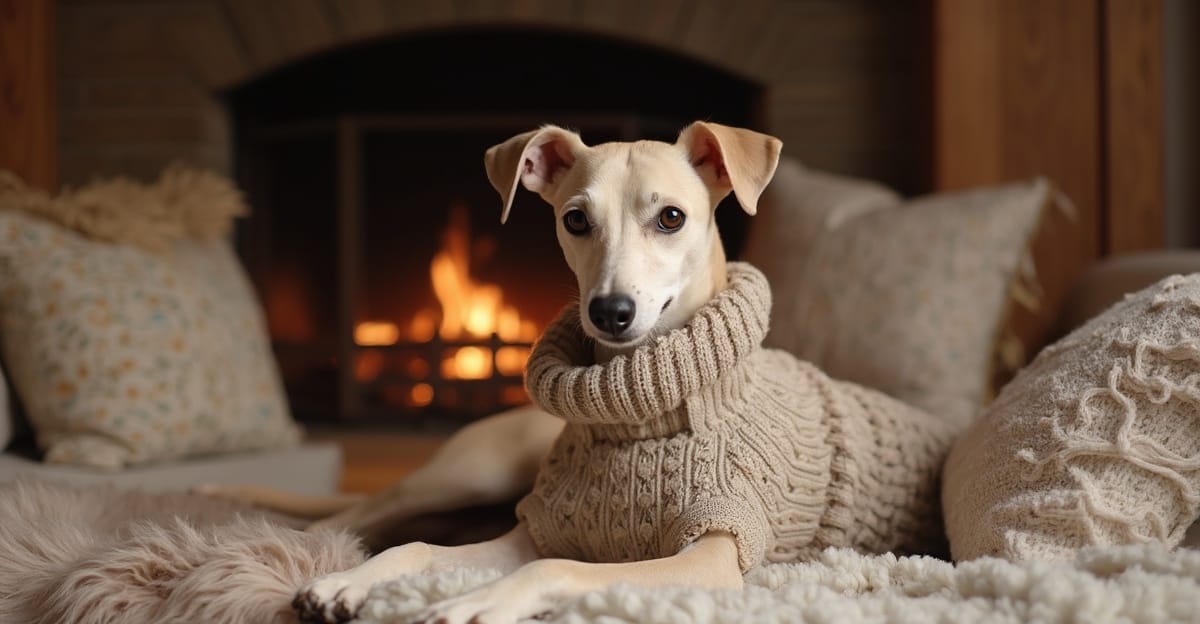
One of the most critical aspects of Whippet ownership involves understanding and managing their extreme sensitivity to cold temperatures. This isn’t simply a matter of comfort – it’s a genuine health and safety concern that requires proactive management throughout the year. Their physiology makes them vulnerable to rapid heat loss, which can quickly become dangerous if not properly addressed.
Understanding the Physical Vulnerability
Whippets possess very little subcutaneous fat and have thin, single-layer coats that provide minimal insulation. This combination means they lose body heat rapidly in cool conditions, making them susceptible to hypothermia even in moderately cool weather. Their lean muscle mass and low body fat percentage, while contributing to their athletic ability, offer little protection against temperature drops. Even indoor environments can be challenging if temperatures fall below their comfort zone of approximately 65-70°F.
Practical Cold Weather Management
Successful cold weather management involves both indoor and outdoor strategies. For outdoor activities, invest in high-quality dog coats that cover their chest and extend along their back and sides. Fleece-lined options provide excellent insulation, while waterproof outer layers protect against wind and moisture. Booties may be necessary for extended outdoor time on cold surfaces. Indoors, provide multiple warm sleeping areas with soft blankets and consider heated dog beds for particularly cold periods.
Recognizing and Preventing Cold-Related Issues
Learn to recognize signs of cold stress in your Whippet, including shivering, seeking warm spots, reluctance to go outside, or curling into tight balls. These behaviors indicate your dog is uncomfortable and potentially at risk. Prevent issues by monitoring weather conditions, limiting outdoor exposure during cold snaps, and ensuring your home maintains appropriate temperatures. Remember that wet conditions amplify cold sensitivity, so dry your Whippet thoroughly after baths or rain exposure.
How to Prepare Your Home for a New Whippet Puppy
Step 1: Secure Your Yard and Home
Ensure your yard has a secure fence at least 5-6 feet high, as Whippets are fast and can jump. Inside, puppy-proof by securing electrical cords, removing toxic plants, and storing hazardous chemicals out of reach.
Step 2: Set Up a Designated Safe Space
Prepare a comfortable crate or a small, gated area with soft bedding, water, and chew toys. This will be your Whippet puppy’s den for sleeping, resting, and when you can’t directly supervise them.
Step 3: Gather Essential Supplies
Purchase high-quality puppy food suitable for medium breeds, food and water bowls, a comfortable harness and leash, a variety of chew toys, grooming tools, and appropriate warm clothing for cold weather.
Step 4: Schedule Your First Vet Visit
Book an appointment with a veterinarian for a check-up within the first few days of bringing your Whippet puppy home. Discuss vaccination schedules, parasite prevention, and microchipping.
Step 5: Plan for Socialization and Training
Identify local puppy classes or safe environments for early socialization. Research positive reinforcement training methods and begin basic command training immediately upon arrival to establish good habits.
Frequently Asked Questions
Is a Whippet good for first-time owners?
Whippets can be a good choice for first-time owners with some preparation. They are highly trainable and affectionate, but their high energy and sensitivity to cold require commitment. Their moderate difficulty rating means a dedicated first-time owner who researches the breed and is prepared for their specific needs will likely succeed.
What do I need before getting a Whippet?
Before getting a Whippet, you’ll need a secure living space, especially a fenced yard, due to their speed. Essential supplies include a comfortable crate, warm bedding, appropriate clothing for cold weather, high-quality food, and a sturdy leash and harness. Booking a vet appointment and planning for early socialization are also crucial steps.
How much does owning a Whippet cost per year?
The annual cost of owning a Whippet can vary but is generally considered affordable. Initial puppy costs range from $800-$1,500. Ongoing expenses include food, routine vet care, preventative medications, and occasional grooming. Expect to spend approximately $800-$1,200 annually, not including unexpected medical emergencies or extensive training.
Can Whippets be left alone for long periods?
Whippets thrive on companionship and do not tolerate being left alone for long periods well. They are prone to separation anxiety if isolated for too long, which can lead to destructive behaviors or excessive vocalization. Ideally, a Whippet should not be left alone for more than 4-6 hours, and even then, enrichment and a comfortable space are essential.
Whippets represent a unique combination of athleticism and affection that creates deeply rewarding relationships for prepared owners. These quiet companions offer the perfect balance of high energy exercise needs and calm indoor behavior, making them adaptable to various lifestyles when their specific requirements are understood and met. Their sensitivity to cold and need for companionship require dedicated attention, but their highly trainable nature and loving disposition make the investment worthwhile.
Success with a Whippet comes from embracing their dual nature – respecting their need for vigorous exercise while providing the warmth and security they crave. Early socialization during the critical 8 to 16-week window, combined with consistent positive reinforcement training, establishes the foundation for a well-adjusted adult dog. While moderately challenging for first-time owners, their affectionate personality and eagerness to please make them incredibly rewarding pets for those who understand their needs.
Conclusion
The whippet owner guide journey involves learning to read their subtle communications, providing appropriate environmental conditions, and building a relationship based on mutual respect and understanding. These remarkable dogs offer years of companionship, athletic partnership, and emotional support when their unique requirements are properly addressed. Still wondering if the Whippet is the right match for your lifestyle? Take our Pet Matchmaker Quiz and get your perfect pet match with a compatibility score.
Sources & References
⚠️ This article is for informational purposes only and does not replace professional veterinary advice. Always consult a qualified vet for your pet’s health needs.