
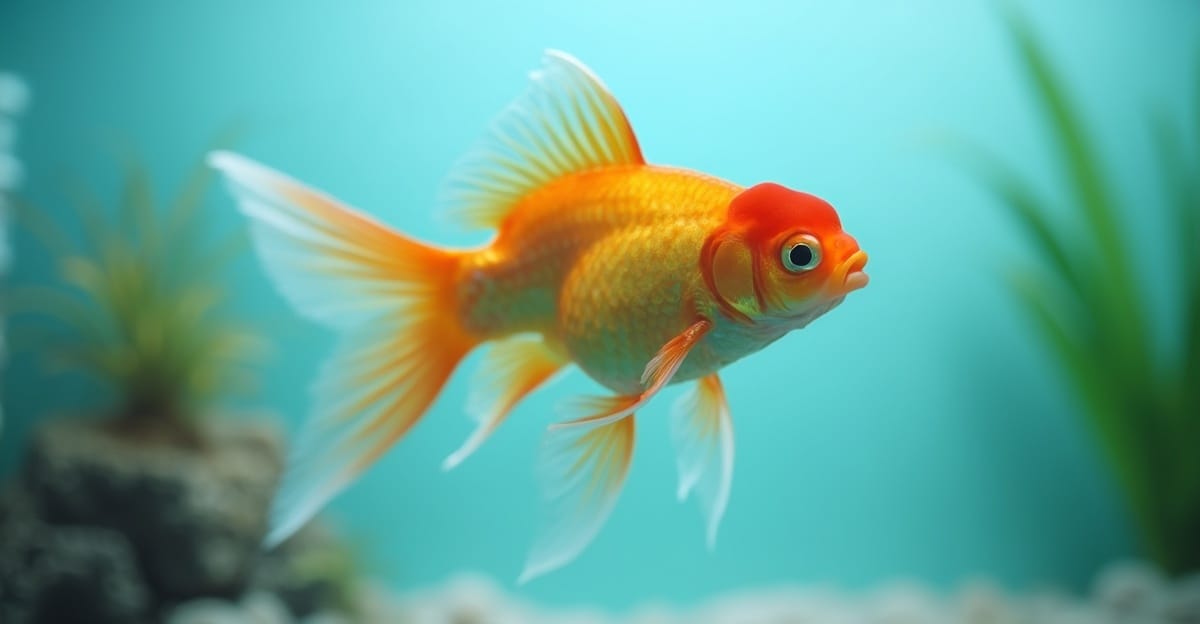
Understanding Your Goldfish’s Nutritional Needs
Every aquarium enthusiast knows that proper nutrition forms the foundation of healthy, vibrant fish. For goldfish owners, understanding the intricate balance of proteins, carbohydrates, and essential nutrients can mean the difference between a thriving aquatic companion and one plagued by health issues. These beloved freshwater fish, originating from East Asia, have specific dietary requirements that reflect their omnivorous nature and moderately active lifestyle. With their high waste production and beginner-friendly care needs, goldfish nutrition becomes even more critical for maintaining optimal water quality and preventing common health problems that can shorten their impressive 10-15 year lifespan.
Table of Contents
Key Takeaways
- Goldfish are omnivores and thrive on a varied diet of high-quality flakes or pellets, supplemented with fresh vegetables and occasional live or frozen treats.
- Feeding Goldfish 1-2 times per day, offering only what they can consume in 2-3 minutes, prevents overfeeding and maintains water quality.
- Overfeeding is a primary cause of health issues and poor water quality in Goldfish tanks, leading to ammonia spikes and disease.
- Incorporating a weekly fasting day and offering live foods like brine shrimp or daphnia can mimic natural feeding behaviors and boost Goldfish health.
Quick Facts
| Size Category | Medium |
| Origin | East Asia (China/Japan) |
| Water Type | Freshwater |
| Diet Type | Omnivore |
| Beginner Friendly | beginner-friendly |
| Live Food Preference | common preference for live foods such as brine shrimp and daphnia |
| Feeding Frequency | 1-2 times per day |
| Food Type | commercial fish flakes or pellets, supplemented with occasional live or frozen foods |
What Should I Feed My Goldfish?
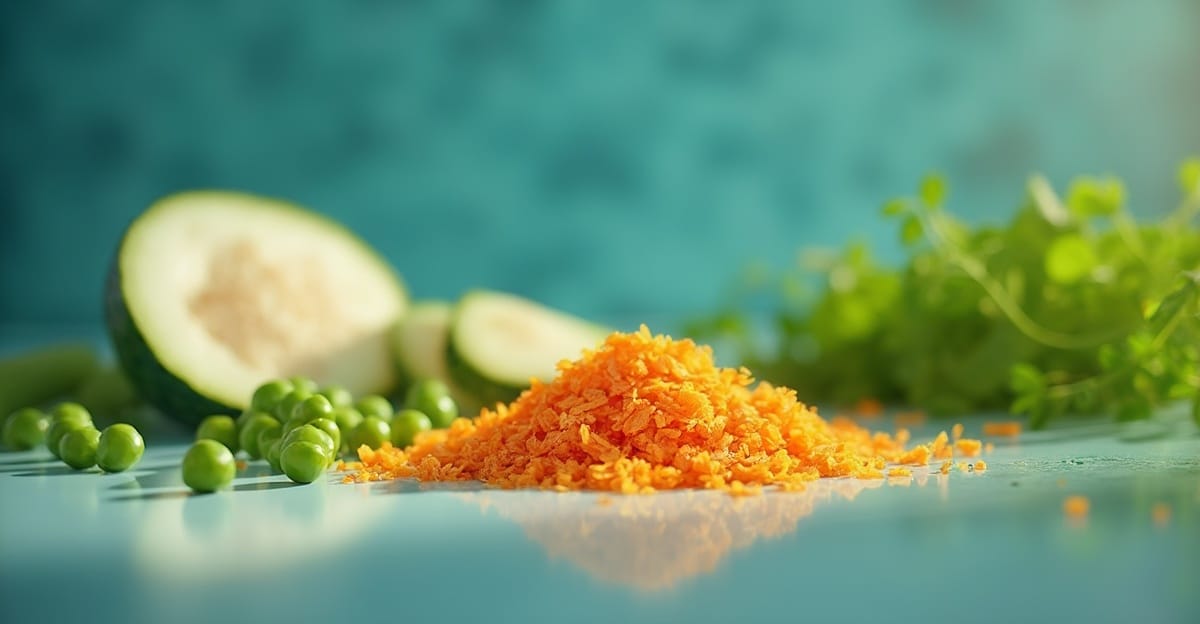
Understanding goldfish nutrition begins with recognizing their omnivorous nature. Unlike strictly carnivorous or herbivorous fish, goldfish require a balanced combination of plant and animal matter to maintain optimal health, vibrant coloration, and robust immune systems. This dietary flexibility stems from their evolutionary history in East Asian waterways, where they naturally foraged on algae, aquatic plants, small invertebrates, and organic detritus.
Commercial Goldfish Foods as the Foundation
High-quality commercial fish flakes or pellets specifically formulated for goldfish should form the cornerstone of your feeding goldfish routine. These specialized formulations contain precise ratios of proteins, carbohydrates, fats, vitamins, and minerals tailored to meet goldfish metabolic requirements. Premium brands incorporate ingredients like spirulina for enhanced coloration, wheat germ for digestibility, and stabilized vitamin C to support immune function. When selecting commercial foods, look for products with crude protein levels between 30-40% for adult goldfish, with higher protein content for growing juveniles.
Essential Vegetable Supplements
Supplementing commercial foods with fresh vegetables provides crucial fiber and micronutrients that support digestive health and prevent swim bladder disorders. Blanched peas (with shells removed) serve as an excellent source of fiber and can help alleviate constipation common in goldfish. Other beneficial vegetables include blanched spinach, zucchini slices, and lettuce leaves. These plant materials should be prepared by briefly boiling until tender, then cooled to aquarium temperature before feeding. The fiber content aids digestion while providing essential vitamins that may degrade in processed foods over time.
Foods to Avoid
Certain foods can compromise goldfish health and should be strictly avoided in any goldfish diet. Human foods like bread, crackers, and sugary snacks offer no nutritional value and can cause severe digestive distress. Low-quality fish foods containing excessive fillers, artificial colors, or poor-grade proteins can lead to malnutrition despite regular feeding. Additionally, foods high in fat content can cause liver problems in goldfish, whose digestive systems are not equipped to process large amounts of lipids efficiently.
How Often Should Goldfish Eat?
Establishing a proper goldfish feeding schedule requires balancing nutritional needs with waste management and water quality considerations. The frequency and timing of meals directly impact fish health, growth rates, and the overall aquarium ecosystem. Goldfish possess relatively simple digestive systems that process food continuously, making consistent feeding schedules more beneficial than sporadic large meals.
Optimal Feeding Frequency
Goldfish should receive 1-2 times per day feeding sessions, with each meal sized appropriately for complete consumption within 2-3 minutes. This timeframe ensures adequate nutrition while preventing food decomposition in the aquarium. Morning and evening feedings work well for most goldfish, allowing for natural digestive cycles and behavioral patterns. Younger goldfish may benefit from slightly more frequent feeding due to higher metabolic rates and growth demands, while mature fish thrive on the standard twice-daily schedule.
Establishing Feeding Routines
Consistency in feeding times helps regulate goldfish biological rhythms and can improve overall well-being. Fish quickly learn to anticipate meal times, often gathering near feeding areas and displaying increased activity. This predictable routine also allows aquarists to monitor appetite changes that might indicate health issues. During feeding, observe each fish’s eating behavior, ensuring all individuals receive adequate nutrition without aggressive competition from tankmates.
Seasonal Feeding Adjustments
Goldfish care tips include adjusting feeding frequency based on water temperature and seasonal changes. In cooler temperatures (below 18°C), goldfish metabolism slows significantly, requiring reduced feeding frequency and smaller portions. During warmer months, increased activity levels may warrant slightly larger meals or additional feeding sessions. Always monitor water parameters closely when adjusting feeding schedules, as temperature changes affect both fish metabolism and beneficial bacteria activity in biological filtration systems.
Goldfish Overfeeding Risks
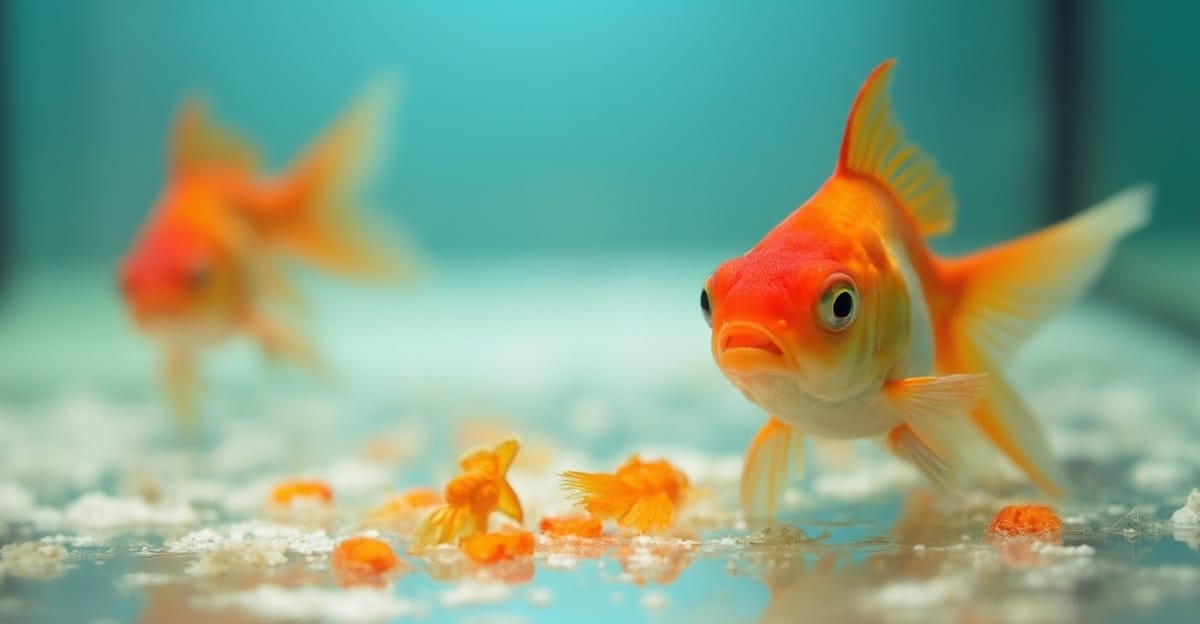
Overfeeding represents one of the most serious threats to goldfish health and aquarium stability. The consequences extend far beyond simple weight gain, creating cascading problems that can prove fatal if left uncorrected. Understanding these risks helps aquarists maintain proper portion control and recognize early warning signs of feeding-related issues.
Water Quality Deterioration
Excess food rapidly decomposes in aquarium water, releasing harmful ammonia and nitrites that can reach toxic levels within hours. Goldfish already produce high waste loads due to their efficient digestion and active metabolism, making additional organic matter from uneaten food particularly problematic. Ammonia poisoning causes gill damage, respiratory distress, and eventual organ failure if concentrations remain elevated. The situation becomes more critical in smaller tanks where waste products concentrate more quickly.
Digestive System Complications
Goldfish possess relatively short digestive tracts designed for frequent, small meals rather than large food volumes. Overfeeding can cause severe constipation, swim bladder disorders, and internal organ stress. Swim bladder problems manifest as difficulty maintaining proper buoyancy, with affected fish floating at the surface or sinking to the bottom. These conditions often require extended treatment periods and may cause permanent damage if feeding practices aren’t immediately corrected.
Increased Disease Susceptibility
Poor water quality from overfeeding creates ideal conditions for pathogenic bacteria, fungi, and parasites to proliferate. Stressed goldfish exhibit compromised immune responses, making them vulnerable to infections like fin rot, ich, and bacterial septicemia. Additionally, excess nutrients fuel algae blooms that compete with fish for dissolved oxygen, particularly dangerous during nighttime hours when photosynthesis ceases. Maintaining proper goldfish nutrition prevents these cascading health problems that can affect entire aquarium populations.
Can Goldfish Eat Live Foods?
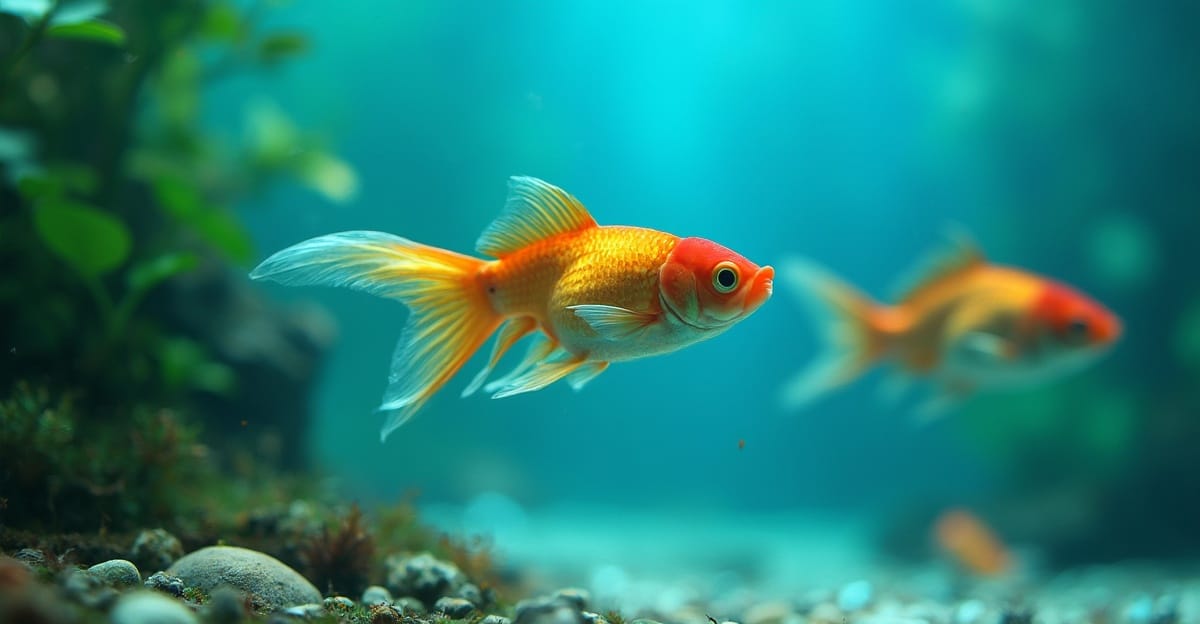
Live foods offer exceptional nutritional benefits for goldfish while stimulating natural foraging behaviors that promote physical and mental health. These protein-rich options closely mimic the varied diet goldfish would encounter in their native freshwater habitats, providing essential amino acids and enzymes often degraded in processed foods. However, incorporating live foods requires careful consideration of sourcing, preparation, and feeding protocols to maximize benefits while minimizing risks.
Beneficial Live Food Options
Brine shrimp and daphnia represent ideal live food choices for goldfish, offering high protein content and excellent digestibility. Brine shrimp provide essential fatty acids crucial for maintaining vibrant coloration and supporting reproductive health. Daphnia, often called water fleas, serve as natural laxatives that can help prevent digestive issues common in goldfish. Other suitable options include bloodworms, tubifex worms, and mosquito larvae, though these should be offered less frequently due to higher fat content.
Safe Sourcing and Preparation
Quality control becomes paramount when feeding live foods to prevent introducing parasites, bacteria, or diseases into established aquariums. Reputable aquarium suppliers typically maintain strict hygiene standards and quarantine procedures for live cultures. Home cultivation of brine shrimp and daphnia offers greater control over food quality but requires dedicated equipment and maintenance. Always rinse live foods in dechlorinated water before feeding and remove any dead or deteriorating specimens that could compromise water quality.
Integration into Regular Diet
Live foods should supplement rather not replace commercial goldfish foods, typically comprising 10-20% of total dietary intake. Offer live foods 2-3 times per week as special treats, adjusting portion sizes to maintain the standard 2-3 minute consumption timeframe. Monitor goldfish behavior during live food feeding sessions, as the hunting activity provides valuable exercise and mental stimulation. This feeding enrichment can reduce stress-related behaviors and promote natural swimming patterns that benefit overall fish health.
Frequently Asked Questions
What should I feed my Goldfish?
Goldfish are omnivores and thrive on a varied diet. Their primary diet should consist of high-quality commercial Goldfish flakes or pellets. Supplement this with blanched vegetables like shelled peas, spinach, or zucchini. Occasionally, offer protein-rich treats such as brine shrimp or daphnia to ensure a balanced nutritional intake and support their overall health.
How much should a Goldfish eat per day?
Goldfish should eat small amounts, 1-2 times per day. Offer only what they can completely consume within 2-3 minutes. Any uneaten food should be removed promptly to prevent water contamination. Overfeeding is a common mistake that can lead to serious health issues and poor water quality, so always err on the side of feeding less.
What foods are toxic to Goldfish?
While not strictly ‘toxic,’ certain foods can be harmful or lead to health issues for Goldfish. Avoid feeding them human foods like bread, crackers, or sugary snacks, as these offer no nutritional value and can cause digestive problems. Also, steer clear of low-quality fish foods with excessive fillers, as these can contribute to poor health and cloudy water. Always opt for Goldfish-specific formulations.
Can Goldfish eat live foods?
Yes, Goldfish can eat live foods, and they often enjoy them as a treat. Live foods like brine shrimp, daphnia, and bloodworms provide excellent protein and stimulate their natural hunting instincts. However, ensure live foods are sourced from reputable suppliers to avoid introducing parasites or diseases into your aquarium. Offer live foods sparingly as a supplement to their main diet.
How often should I feed my Goldfish?
You should feed your Goldfish 1-2 times per day. The key is to provide small meals that they can finish quickly, typically within 2-3 minutes. This frequency helps maintain good digestion and prevents overfeeding, which is crucial for maintaining pristine water quality and the long-term health of your Goldfish. Consider a weekly fasting day to aid digestion.
Conclusion
Proper goldfish nutrition forms the cornerstone of successful aquarium keeping, directly influencing fish health, water quality, and long-term enjoyment of this rewarding hobby. A balanced diet combining high-quality commercial foods, fresh vegetables, and occasional live treats provides the nutritional foundation these omnivorous fish require for optimal growth and vibrant coloration. Maintaining consistent feeding schedules with appropriate portion sizes prevents the serious consequences of overfeeding while supporting natural behaviors and digestive health. The integration of live foods and weekly fasting periods further enhances goldfish care tips by mimicking natural feeding patterns and promoting robust immune systems. Remember that successful feeding goldfish extends beyond simple nutrition, encompassing water quality management and disease prevention strategies essential for maintaining healthy aquatic environments. Find the best food and nutrition products for your Goldfish with our Pet Product Finder — personalized recommendations based on your pet’s needs.
Sources & References
⚠️ This article is for informational purposes only and does not replace professional veterinary advice. Always consult a qualified vet for your pet’s health needs.