

Understanding Your Pembroke Welsh Corgi’s Behavior
When you watch a Pembroke Welsh Corgi in action, you’re witnessing centuries of selective breeding for intelligence, loyalty, and an unwavering work ethic. These compact herding dogs pack enormous personality into their small frames, displaying behaviors that can both delight and challenge their owners. Understanding pembroke welsh corgi behavior is essential for anyone considering this breed, as their unique combination of high energy, strong herding instincts, and deep attachment to family creates a complex behavioral profile. From their tendency to ‘herd’ household members to their vocal nature and potential for separation anxiety, Pembroke Welsh Corgis require owners who appreciate their working dog heritage while providing appropriate outlets for their natural drives.
Table of Contents
Key Takeaways
- Pembroke Welsh Corgis possess strong herding instincts, often nipping at heels and attempting to ‘herd’ family members.
- Early and consistent socialization is crucial to prevent fear-based aggression and ensure they are well-adjusted to various environments.
- Despite their small size, Corgis have very high energy levels and require significant mental and physical stimulation to prevent destructive behaviors.
- Corgis are highly trainable and thrive on positive reinforcement, making them eager participants in obedience and dog sports.
Quick Facts
| Size Category | Small |
| Origin | Wales |
| Hypoallergenic | no |
| Energy Level | very high energy |
| Trainability | highly trainable |
| breed separation anxiety signs | whining, barking, destructive behavior when left alone |
| breed aggression triggers | fear, lack of socialization, territorial behavior |
| breed destructive behavior | chewing on furniture or household items if bored or anxious |
What is typical Pembroke Welsh Corgi behavior?

The Pembroke Welsh Corgi’s behavioral profile reflects their heritage as working herding dogs, combining intelligence, independence, and an intense desire to please their human companions. These dogs exhibit a remarkable ability to read situations and respond accordingly, making them both entertaining companions and occasionally challenging pets. Their pembroke welsh corgi behavior is characterized by alertness, confidence, and an almost human-like ability to communicate their needs and desires through various vocalizations and body language.
Intelligence and Problem-Solving Abilities
Corgis demonstrate exceptional intelligence that manifests in their quick learning ability and problem-solving skills. They can master complex commands rapidly and often anticipate their owner’s needs before being asked. This intelligence, however, can lead to selective hearing when they decide a command isn’t worth following, particularly if they’re engaged in something more interesting. Their cognitive abilities make them excellent candidates for dog sports and advanced training, but also mean they require consistent mental challenges to prevent boredom-induced misbehavior.
Herding Instincts in Daily Life
The herding instincts that made Pembroke Welsh Corgis valuable farm workers remain strong in modern pets. These dogs will naturally attempt to control movement around them, whether it’s children running in the yard, other pets, or even adults walking through the house. This behavior includes gentle nipping at heels, circling moving targets, and positioning themselves to direct traffic flow. While endearing to those who understand the breed, these instincts require management through training and appropriate outlets to prevent them from becoming problematic in family settings.
Affectionate and Social Nature
Despite their independent working background, Pembroke Welsh Corgis are exceptionally affectionate dogs who form deep bonds with their families. They typically choose one person as their primary focus while remaining friendly and loving with all family members. This breed thrives on companionship and will often shadow their favorite person throughout the day, earning them the nickname ‘velcro dogs.’ Their social nature extends to interactions with strangers when properly socialized, though they maintain a natural wariness that makes them excellent watchdogs.
How to manage separation anxiety in Corgis
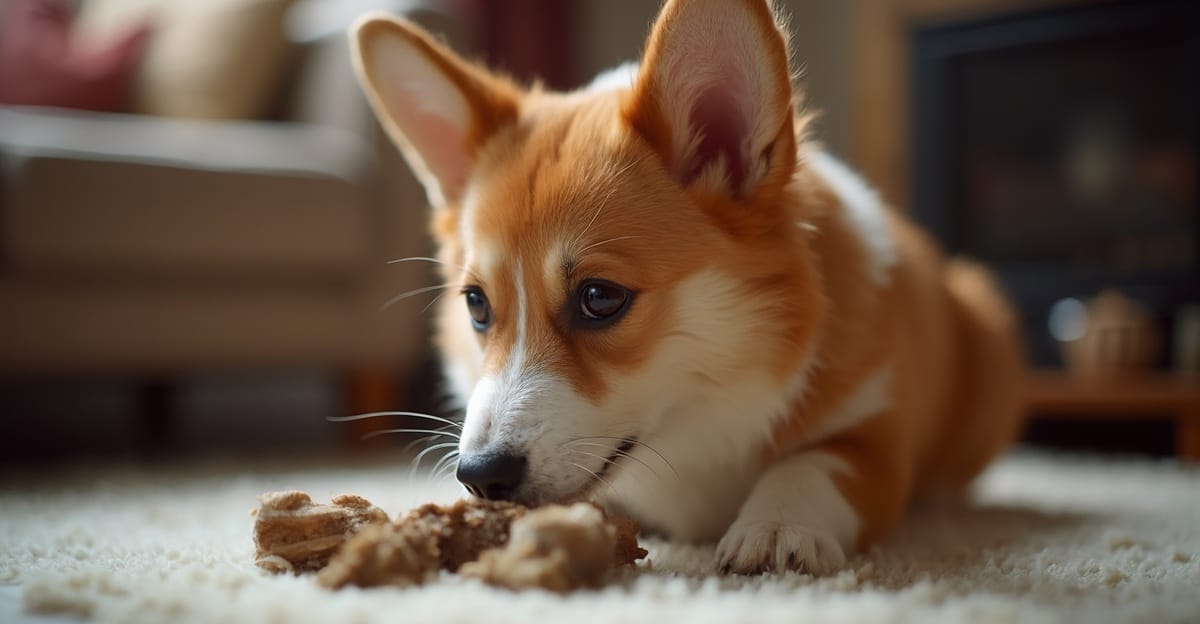
Separation anxiety represents one of the most significant behavioral challenges facing Pembroke Welsh Corgi owners, stemming from the breed’s intense bond with their families and need for regular company. This condition can develop gradually or appear suddenly, often triggered by changes in routine, moving to a new home, or traumatic experiences. Understanding the signs and implementing effective management strategies is crucial for maintaining both the dog’s wellbeing and household harmony.
Recognizing Early Warning Signs
The first step in managing separation anxiety involves recognizing its early manifestations before they escalate into more serious problems. Pembroke Welsh Corgis experiencing separation anxiety typically begin with subtle signs like following their owner more closely than usual, showing distress when pre-departure cues appear (like picking up keys or putting on shoes), or becoming unusually clingy. As the condition progresses, more obvious symptoms emerge including whining, barking, destructive behavior when left alone, and sometimes inappropriate elimination despite being house-trained. Some Corgis may also engage in repetitive behaviors like pacing or excessive self-grooming when anticipating their owner’s departure.
Gradual Desensitization Techniques
Successful management of separation anxiety requires patience and systematic desensitization to being alone. Start by leaving your Corgi for very short periods – perhaps just stepping outside for a minute – and gradually increase the duration as they become comfortable. Practice departure cues without actually leaving, such as picking up keys or putting on a jacket, then sitting back down. This helps desensitize them to the triggers that predict your departure. Create positive associations with alone time by providing special toys or treats that only appear when you leave, making your absence something to anticipate rather than dread.
Environmental Management and Enrichment
The environment plays a crucial role in managing separation anxiety in Pembroke Welsh Corgis. Provide interactive toys and puzzle feeders that engage their intelligent minds and help pass time constructively. Consider leaving clothing with your scent nearby for comfort, and ensure they have access to their favorite resting spots. Some Corgis benefit from background noise like soft music or television to mask outside sounds that might trigger alert barking. Creating a consistent routine around departures and returns helps reduce anxiety by making these events predictable rather than stressful surprises.
Are Pembroke Welsh Corgis good with kids?

The relationship between Pembroke Welsh Corgis and children represents one of the breed’s most appealing characteristics, as these dogs generally display remarkable patience, playfulness, and protective instincts toward young family members. Their size makes them less intimidating to children while still being sturdy enough to handle typical childhood interactions. However, their herding background introduces unique considerations that require understanding and management to ensure positive relationships between Corgis and kids.
Natural Temperament with Children
Pembroke Welsh Corgis possess an inherent gentleness and tolerance that makes them naturally suited for families with children. Their playful nature aligns well with children’s energy levels, and they often become devoted companions who participate enthusiastically in games and activities. These dogs seem to understand that children require different treatment than adults, often showing extra patience with toddlers’ unsteady movements and accidental rough handling. Their protective instincts also extend to children, making them excellent family guardians who will alert to potential dangers while rarely showing aggression toward family members.
Managing Herding Behaviors Around Kids
The primary challenge in Corgi-child relationships stems from the breed’s strong herding instincts, which can manifest as gentle nipping at children’s heels or attempts to control their movement. While this behavior is rarely aggressive, it can startle or frighten young children and needs consistent management. Teaching children to stop moving when the dog begins herding behavior often causes the Corgi to lose interest, as the ‘prey drive’ diminishes when the target stops moving. Redirecting the herding behavior toward appropriate toys or activities helps satisfy the dog’s instincts while protecting children from unwanted nipping.
Supervision and Teaching Mutual Respect
Successful integration of Pembroke Welsh Corgis with children requires ongoing supervision and education for both parties. Children must learn to respect the dog’s space, avoid pulling ears or tails, and recognize signs that the dog needs a break from interaction. Teaching children to engage in appropriate play activities like fetch or gentle training sessions helps build positive relationships while giving the Corgi mental stimulation. Adult supervision becomes particularly important during high-energy play sessions or when multiple children are present, as Corgis may become overstimulated and resort to herding behaviors to regain control of chaotic situations.
Why do Corgis bark so much?

The vocal nature of Pembroke Welsh Corgis often surprises new owners who expect their small size to correlate with quiet behavior. In reality, these dogs are moderately vocal with a strong tendency to use barking as their primary form of communication, alerting, and sometimes attention-seeking. Understanding the reasons behind their pembroke welsh corgi behavior regarding vocalization helps owners address excessive barking while appreciating the breed’s natural communication style.
Herding Heritage and Alert Barking
The Pembroke Welsh Corgi’s tendency to bark stems directly from their working heritage, where vocal communication was essential for controlling livestock and alerting farmers to potential problems. This genetic programming remains strong in modern Corgis, who instinctively bark to alert their families to visitors, unusual sounds, or changes in their environment. While this makes them excellent watchdogs, it can become problematic in urban environments where constant stimuli trigger frequent alert barking. The key lies in teaching them to discriminate between genuine alerts worthy of vocalization and everyday occurrences that don’t require announcement.
Boredom and Attention-Seeking Vocalizations
Excessive barking in Pembroke Welsh Corgis often indicates unmet needs for mental stimulation or social interaction. These intelligent dogs require significant mental engagement, and when bored, they may resort to barking as entertainment or to demand attention from their owners. This type of barking typically occurs in patterns – repetitive, rhythmic barking that increases in intensity if ignored. Providing adequate mental stimulation through training sessions, puzzle toys, and interactive games significantly reduces this type of vocalization while strengthening the bond between dog and owner.
Training Techniques for Bark Control
Managing excessive barking in Pembroke Welsh Corgis requires consistent training that acknowledges their natural vocal tendencies while establishing boundaries. Teaching a ‘quiet’ command using positive reinforcement helps dogs understand when barking is appropriate and when it should stop. The technique involves allowing the dog to bark a few times to acknowledge the alert, then giving the quiet command and rewarding silence. Never punish barking entirely, as this can lead to frustration and other behavioral problems. Instead, focus on teaching appropriate duration and timing for vocal responses while ensuring the dog’s physical and mental needs are adequately met through exercise and enrichment activities.
Frequently Asked Questions
Are Pembroke Welsh Corgis aggressive?
Pembroke Welsh Corgis are not inherently aggressive. Like any breed, aggression can stem from fear, lack of socialization, or territorial behavior. Proper early socialization, consistent positive reinforcement training, and a secure environment are crucial to ensure a well-adjusted Corgi. If aggression is observed, it’s vital to consult with a professional dog behaviorist to identify the root cause and implement appropriate interventions.
Why does my Pembroke Welsh Corgi bite?
Corgis may bite for several reasons, including their natural herding instinct (often a gentle nip at heels), puppy nipping during play, or as a reaction to fear or pain. If your Corgi is biting, assess the context. For herding or puppy nipping, redirect with appropriate chew toys and consistent training. If it’s fear-based, identify triggers and seek professional guidance to build confidence and manage reactions. Never punish fear-based biting.
Are Pembroke Welsh Corgis good with kids?
Yes, Pembroke Welsh Corgis are generally very good with kids, known for their playful and affectionate nature. However, their strong herding instincts might lead them to playfully nip at children’s heels, which requires supervision and training. It’s crucial to teach children how to interact respectfully with dogs and always supervise interactions, especially with younger children, to ensure a positive experience for both.
How to reduce barking in Pembroke Welsh Corgis?
To reduce barking in Pembroke Welsh Corgis, first identify the cause (e.g., boredom, alerting, anxiety). Ensure they receive adequate physical exercise and mental stimulation, such as puzzle toys or training sessions. Teach a ‘quiet’ command using positive reinforcement. For alert barking, manage their environment (e.g., block views). If barking is due to separation anxiety, address the underlying anxiety with gradual desensitization and enrichment.
Conclusion
Understanding pembroke welsh corgi behavior requires appreciating the complex interplay between their herding heritage, high intelligence, and deep emotional bonds with their families. These remarkable dogs bring joy and companionship to countless households, but their success as family pets depends largely on owners who understand and work with their natural instincts rather than against them. From managing their herding tendencies around children to providing adequate mental stimulation to prevent destructive behaviors, successful Corgi ownership involves consistent training, socialization, and enrichment. Their vocal nature, while sometimes challenging in apartment living with corgis, serves important communication functions that can be managed through proper training techniques. The investment in understanding and properly managing these behaviors pays dividends in the form of a loyal, intelligent, and deeply bonded companion who will bring years of happiness to the right family. For those considering this breed, remember that their energy management needs and social requirements make them best suited for active families who can provide the attention and stimulation these remarkable dogs deserve. Curious how the Pembroke Welsh Corgi compares to other breeds in temperament? Try our Pet Comparison Tool for a side-by-side visual breakdown.
Sources & References
⚠️ This article is for informational purposes only and does not replace professional veterinary advice. Always consult a qualified vet for your pet’s health needs.