
Your Essential Guide to Owning a Bombay Cat
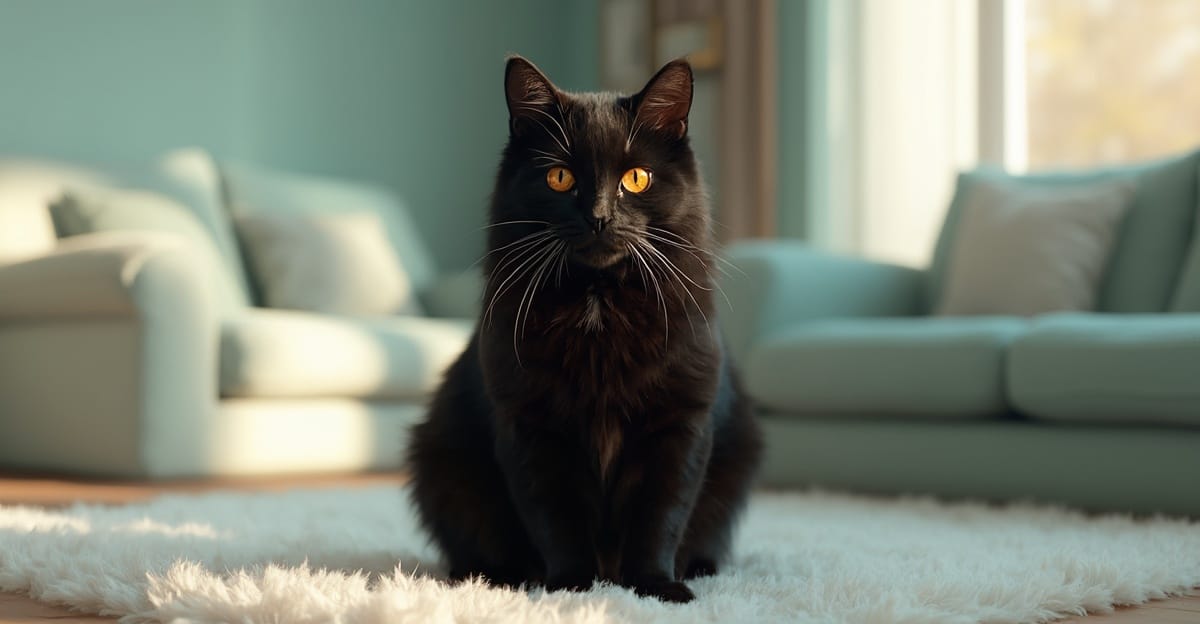
Picture this: you walk through your front door after a long day, and a sleek, panther-like shadow glides toward you with bright copper eyes and an unmistakable purr. This is life with a Bombay cat—a breed that combines the mystique of a miniature black panther with the heart of a devoted companion. If you’re considering welcoming one of these remarkable felines into your home, this comprehensive bombay owner guide will equip you with everything you need to know about their unique personality, care requirements, and what makes them such exceptional indoor companions.
Table of Contents
Key Takeaways
- Bombay cats thrive on companionship and require regular interaction to prevent loneliness.
- Their low-maintenance grooming and moderate energy make them suitable for apartment living.
- While generally healthy, early socialization and a safe indoor environment are crucial for their well-being.
- Expect a highly trainable and affectionate companion who integrates well into family life, including with children and other pets.
Quick Facts
| Size Category | Small |
| Origin | United States |
| Hypoallergenic | no |
| Energy Level | moderate energy |
| Trainability | highly trainable |
| breed first time difficulty | moderate |
| breed indoor outdoor | indoor |
| breed kitten cost | ~$800 (estimate) |
What to Expect as a First-Time Bombay Owner
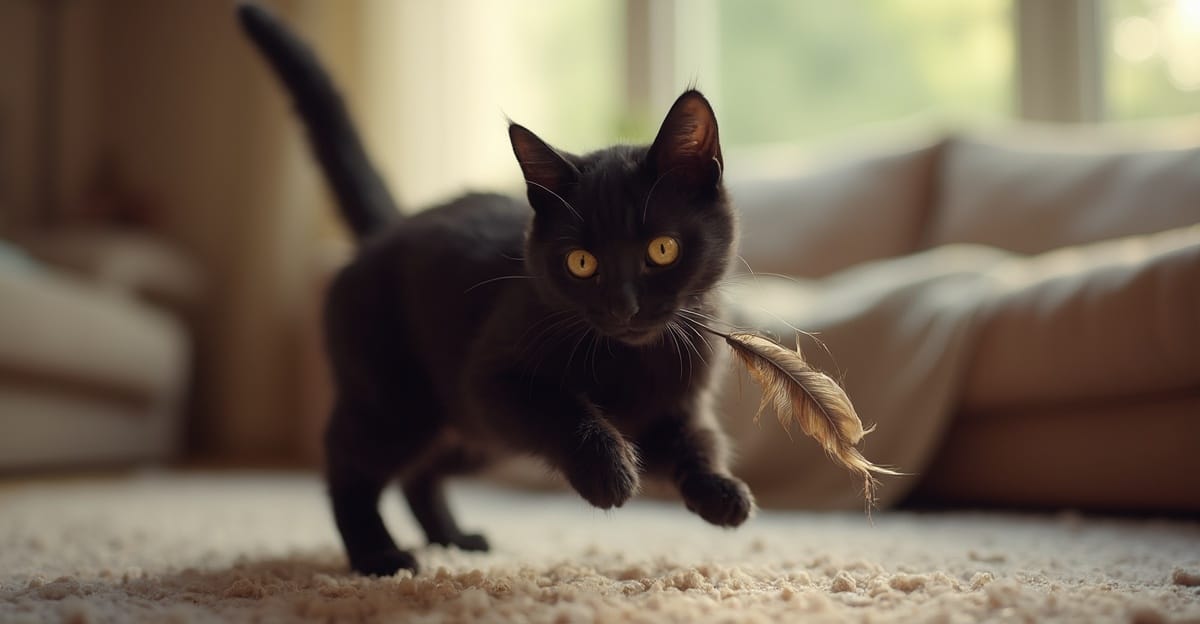
Stepping into Bombay ownership means welcoming a cat that defies many feline stereotypes. These remarkable cats are renowned for their dog-like devotion, often following their owners from room to room like a loyal shadow. Your Bombay will likely greet you at the door, seek out your lap during quiet moments, and show genuine interest in your daily activities. This level of attachment creates an incredibly rewarding bond but also means you’re committing to a relationship that requires consistent attention and interaction.
Understanding Their Affectionate Nature
Bombay cats express their very affectionate nature through constant companionship and physical closeness. Unlike more independent cat breeds, your Bombay will actively seek out human interaction throughout the day. They’re known to curl up on keyboards while you work, follow you to the bathroom, and claim the warmest spot on your bed each night. This behavior isn’t clingy—it’s their natural way of showing love and maintaining the social bonds that are essential to their well-being.
Managing Their Moderate Energy Levels
Despite their sleek, athletic appearance, Bombay cats have perfectly balanced energy levels that adapt well to apartment living. They enjoy interactive play sessions with feather toys, laser pointers, and puzzle feeders, but they’re equally content to spend hours lounging in sunny windowsills. This moderate energy makes them ideal for owners who want an engaging companion without the exhausting demands of high-energy breeds. Expect 20-30 minute play sessions twice daily to keep them physically satisfied and mentally stimulated.
Discovering Their Intelligence and Trainability
The highly trainable nature of Bombay cats often surprises new owners. These intelligent felines can learn to walk on leashes, perform tricks, and even respond to their names like dogs. Their eagerness to please and food motivation make training sessions enjoyable for both cat and owner. Start with basic commands like ‘sit’ and ‘come,’ then progress to more complex behaviors. This trainability also extends to litter box habits and scratching post use, making house training relatively straightforward.
How to Care for Your Bombay’s Companionship Needs
The most critical aspect of Bombay cat care revolves around meeting their profound need for companionship. These cats form incredibly strong bonds with their families and can develop separation anxiety or behavioral issues when left alone for extended periods. Understanding and addressing this fundamental need will determine the success of your relationship with your Bombay and their overall happiness in your home.
Preventing Loneliness and Separation Issues
Bombay cats require regular company and struggle when isolated for more than 8-10 hours daily. If your work schedule demands long absences, consider arranging lunch-time visits, hiring a pet sitter, or working from home occasionally. Signs of loneliness include excessive vocalization, destructive behavior, or withdrawal when you return. Create a routine that includes morning interaction, evening playtime, and consistent feeding schedules to provide structure and reassurance during your absences.
Providing Mental Stimulation and Enrichment
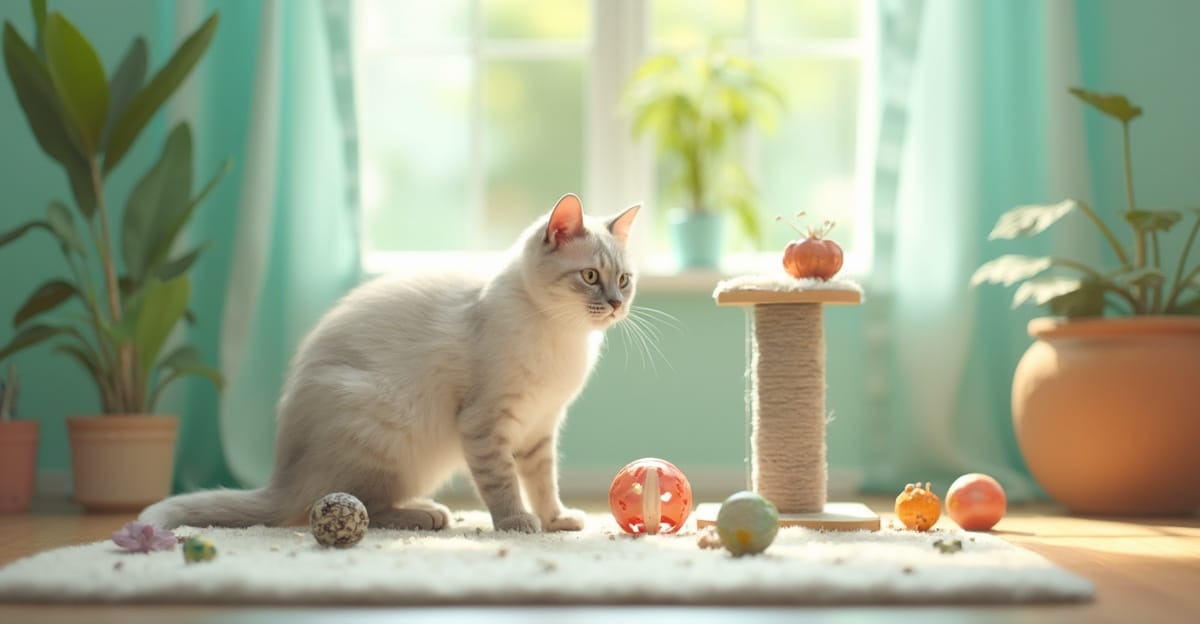
Interactive toys and environmental enrichment become crucial when caring for intelligent Bombay cats. Rotate puzzle feeders, treat-dispensing toys, and interactive electronic toys to keep their minds engaged. Window perches with bird feeders outside provide hours of entertainment, while scratching posts and cat trees offer vertical territory for climbing and surveying their domain. Consider leaving nature documentaries or cat TV programming on during longer absences to provide visual stimulation.
Considering Companion Animals
Many Bombay owners find that a second pet significantly improves their cat’s quality of life. Bombays generally get along well with other cats, especially when introduced properly during kittenhood. They can also coexist peacefully with calm, cat-friendly dogs. A companion animal provides social interaction, play opportunities, and comfort during your absences. However, ensure you have adequate resources and space for multiple pets before making this commitment.
Is a Bombay Cat Right for Your Home?
Determining whether a Bombay fits your lifestyle requires honest assessment of your living situation, schedule, and expectations. These cats thrive in specific environments and with particular types of owners, making compatibility crucial for long-term success. Their apartment-friendly nature and adaptable personality make them suitable for various living situations, but certain factors will significantly impact their happiness and your satisfaction as an owner.
Evaluating Your Living Space and Lifestyle
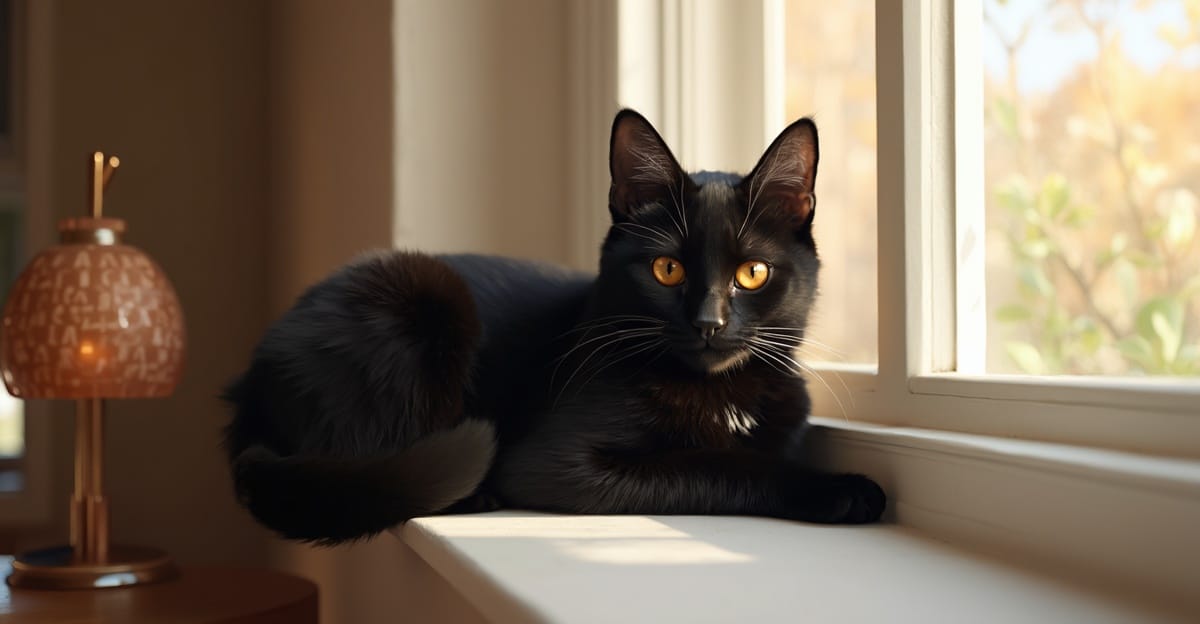
Bombay cats are exceptionally apartment-friendly due to their moderate energy levels and preference for indoor living. They don’t require large spaces but do need vertical territory through cat trees, shelves, or window perches. Their moderate cold tolerance makes them ideal indoor-only cats, which simplifies care and eliminates outdoor safety concerns. Consider whether your schedule allows for regular interaction, as these cats need more human contact than independent breeds. Shift workers, frequent travelers, or extremely busy professionals may find Bombay ownership challenging without additional support systems.
Assessing Family Dynamics and Other Pets
Bombay cats excel in family environments and are particularly great with kids who understand gentle handling. Their patient, affectionate nature makes them excellent companions for children, often seeking out quiet cuddle time or gentle play. If you have other pets, Bombays’ generally good compatibility with both cats and dogs makes integration possible with proper introduction protocols. However, their social nature means they may struggle as the only pet in homes where family members are frequently absent.
Understanding Long-term Commitment Requirements
With a lifespan of 12-16 years, Bombay ownership represents a significant long-term commitment that extends beyond their moderate initial cost. Their needs for companionship remain constant throughout their lives, and their generally healthy constitution means you’re likely to enjoy many years together. Consider how your life might change over the next decade and whether you can maintain consistent care, attention, and veterinary support throughout their lifetime.
What Supplies Do You Need for a Bombay Kitten?
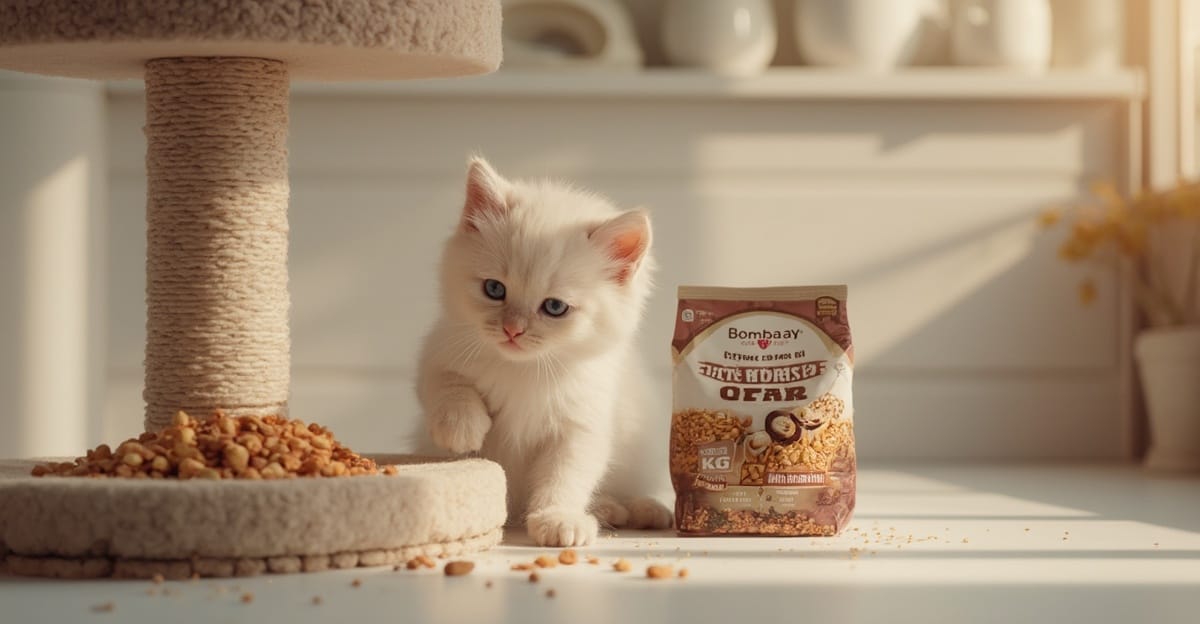
Preparing for your Bombay kitten requires thoughtful selection of supplies that cater to their specific needs and personality traits. While the basic supply list might seem standard, choosing quality items that address their moderate energy, intelligence, and social nature will set the foundation for successful ownership. Investing in appropriate supplies from the beginning prevents common new owner mistakes and ensures your kitten’s smooth transition to their new home.
Essential Food and Feeding Supplies
High-quality kitten food forms the foundation of your Bombay’s health and development. Choose a premium brand formulated specifically for kittens, as their growing bodies require different nutritional profiles than adult cats. Stainless steel or ceramic food and water bowls prevent bacterial buildup and are easier to clean than plastic alternatives. Consider puzzle feeders or slow-feeding bowls to engage their intelligence during meals and prevent gulping, which can lead to digestive issues.
Scratching and Climbing Equipment
A sturdy scratching post or cat tree becomes essential for redirecting your Bombay’s natural scratching behaviors and preventing furniture damage from their moderate destruction potential. Choose posts covered in sisal rope or cardboard, as these textures satisfy their scratching needs most effectively. Vertical climbing structures also provide the elevated territory that cats crave and help satisfy their need for environmental enrichment when you’re not available for interaction.
Comfort and Safety Items
A secure, well-ventilated carrier ensures safe transport to veterinary appointments and emergency situations. Choose a hard-sided carrier that your kitten can stand and turn around in comfortably. Comfortable bedding, whether a dedicated cat bed or soft blankets, provides security and warmth. Interactive toys, including feather wands, balls, and puzzle toys, engage their moderate energy and intelligence while providing solo entertainment options.
Frequently Asked Questions
How to Introduce Your Bombay Kitten to Its New Home
- Step 1: Prepare a dedicated ‘safe room’ before your Bombay kitten arrives. This room should contain their litter box, food and water bowls, a comfortable bed, and a scratching post, ensuring a secure and calm environment for initial acclimation.
- Step 2: Upon arrival, place your Bombay kitten directly into the safe room and close the door. Allow them to explore at their own pace without immediate interaction, giving them space to adjust to new sights, sounds, and smells.
- Step 3: Spend short, frequent periods in the safe room with your kitten, sitting quietly and allowing them to approach you. Offer gentle petting and soft vocalizations, building trust without overwhelming them.
- Step 4: Gradually introduce your scent by leaving an old, unwashed T-shirt or blanket in their safe room. This helps them associate your smell with comfort and security before full household integration.
- Step 5: After a few days to a week, once your Bombay kitten seems comfortable in their safe room, slowly open the door to allow supervised exploration of other parts of your home, always ensuring they can retreat to their safe space if needed.
Is a Bombay good for first-time owners?
Bombay cats can be a good choice for first-time owners with some experience, as they are highly affectionate and trainable. Their moderate energy and low grooming needs are manageable, but their strong need for companionship means they require consistent attention and interaction to prevent loneliness. Understanding their social nature is key for a successful first-time ownership experience.
What do I need before getting a Bombay?
Before bringing home a Bombay, you’ll need essential supplies like a litter box, high-quality kitten food, food and water bowls, a scratching post, a comfortable bed, and a carrier. Crucially, prepare a dedicated ‘safe room’ for their initial acclimation and ensure you have ample time to dedicate to their companionship needs, as they thrive on interaction.
How much does owning a Bombay cost per year?
The annual cost of owning a Bombay cat can vary but typically ranges from $500 to $1000, excluding initial kitten purchase and unexpected veterinary emergencies. This includes expenses for food, litter, routine vet check-ups, vaccinations, parasite prevention, and enrichment items like toys. Their generally healthy nature helps keep medical costs predictable.
Can Bombay cats be left alone during the day?
Bombay cats can tolerate being left alone for typical workday hours, but they are highly social and require regular company. Prolonged periods of solitude can lead to loneliness or behavioral issues. Providing interactive toys, vertical spaces, and considering a companion pet can help mitigate boredom and ensure their emotional well-being when you’re away.
Conclusion
Owning a Bombay cat offers the unique opportunity to share your life with an exceptionally affectionate, intelligent, and adaptable companion perfectly suited for indoor living. These remarkable cats bring joy through their dog-like devotion, moderate energy levels, and impressive trainability, making them ideal for apartment dwellers and families alike. Success with this bombay owner guide depends on understanding and meeting their fundamental need for companionship while providing appropriate mental stimulation and environmental enrichment. Their low-maintenance grooming requirements and generally healthy constitution make daily care manageable, while their social nature ensures you’ll never lack for feline companionship. With proper preparation, realistic expectations, and commitment to their social needs, a Bombay cat will reward you with years of devoted friendship and endless entertainment. Early socialization, a safe indoor environment, and consistent interaction form the foundation of a thriving relationship with these exceptional cats. Still wondering if the Bombay is the right match for your lifestyle? Take our Pet Matchmaker Quiz and get your perfect pet match with a compatibility score.
Sources & References
⚠️ This article is for informational purposes only and does not replace professional veterinary advice. Always consult a qualified vet for your pet’s health needs.