

Understanding Bulldog Health: Lifespan and Common Issues
Their wrinkled faces and gentle nature have made Bulldogs beloved family companions, but behind that charming appearance lies a breed with significant health challenges. These sturdy dogs from England face unique medical concerns that every owner should understand. From breathing difficulties to joint problems, bulldog health problems require careful attention and proactive management. While their low-energy nature makes them perfect apartment dogs, their genetic predispositions mean higher veterinary costs and specialized care needs. Understanding these challenges isn’t meant to discourage potential owners but to prepare them for responsible ownership of these wonderful, albeit medically complex, companions.
Table of Contents
Key Takeaways
- Bulldogs are prone to specific genetic health issues like Brachycephalic Obstructive Airway Syndrome (BOAS) and hip dysplasia.
- Managing a Bulldog’s brachycephalic syndrome involves careful temperature regulation, avoiding strenuous exercise, and potentially surgical intervention.
- The average lifespan for Bulldogs is 8-10 years, with cancer and musculoskeletal diseases being common causes of mortality.
- Annual veterinary costs for Bulldogs can be significant, averaging around $700, due to their predisposition to various health conditions.
Quick Facts
| Size Category | Medium |
| Origin | England |
| Hypoallergenic | no |
| Energy Level | low energy / calm |
| Trainability | moderately trainable |
| breed lifespan | 8-10 years |
| breed top3 conditions | Brachycephalic obstructive airway syndrome (BOAS), hip dysplasia, skin conditions |
| breed health tests | OFA tests for hips, elbows, heart, eyes, and thyroid recommended |
What are common health problems in Bulldogs?

Bulldogs face a constellation of health challenges primarily stemming from their distinctive physical characteristics. The most significant concern is Brachycephalic Obstructive Airway Syndrome (BOAS), a condition directly related to their flattened facial structure. This syndrome encompasses multiple anatomical abnormalities including stenotic nares (narrow nostrils), elongated soft palate, and hypoplastic trachea (narrow windpipe). According to veterinary specialists, BOAS affects the majority of Bulldogs to varying degrees, causing symptoms ranging from noisy breathing and exercise intolerance to severe respiratory distress.
Respiratory System Complications
The compressed airways in Bulldogs create a domino effect of health issues. Their shortened nasal passages reduce the air’s ability to cool and humidify before reaching the lungs, making them extremely vulnerable to heat stroke. The elongated soft palate can partially obstruct the airway, particularly during excitement or exercise, leading to the characteristic snoring and wheezing sounds. In severe cases, the increased respiratory effort can cause secondary changes like laryngeal collapse or pulmonary edema. The ASPCA notes that these breathing difficulties worsen with age, weight gain, or exposure to heat and humidity.
Orthopedic Disorders
Hip and elbow dysplasia represent major orthopedic concerns in Bulldogs, with genetics playing a primary role in their development. Hip dysplasia occurs when the ball and socket joint of the hip develops abnormally, leading to arthritis and mobility issues. The Orthopedic Foundation for Animals (OFA) recommends screening breeding dogs to reduce the incidence of these conditions. Elbow dysplasia similarly affects the front limbs, causing lameness and pain. These conditions are particularly problematic in Bulldogs due to their body structure and weight distribution, which places additional stress on already compromised joints.
Dermatological Issues
The characteristic skin folds that give Bulldogs their distinctive appearance also create perfect environments for bacterial and fungal growth. Skin fold dermatitis, also known as intertrigo, develops when moisture, debris, and bacteria accumulate in these deep wrinkles. The facial folds, tail pocket, and body wrinkles require daily cleaning to prevent infection. VCA Animal Hospitals emphasize that untreated skin fold dermatitis can lead to painful ulcerations and secondary bacterial infections. Additionally, Bulldogs are prone to allergies, both environmental and food-related, which can manifest as chronic skin irritation, excessive scratching, and secondary infections.
How to manage Bulldog’s brachycephalic syndrome?
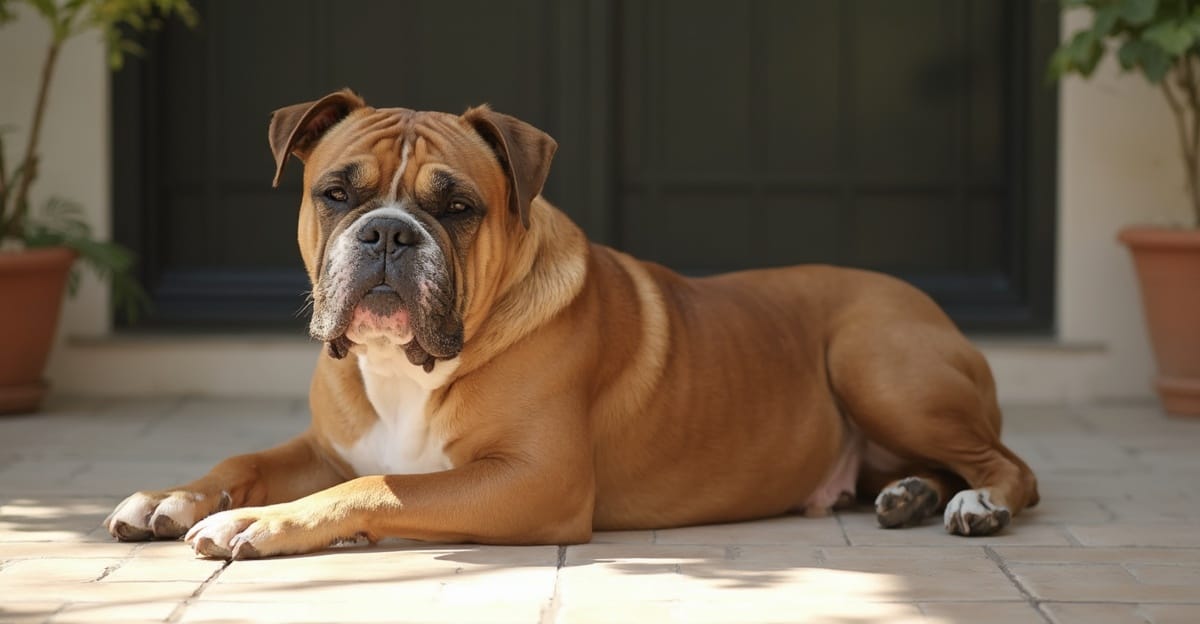
Managing brachycephalic syndrome in Bulldogs requires a comprehensive approach that addresses environmental factors, lifestyle modifications, and potentially surgical interventions. The key to successful management lies in understanding that these dogs have permanently compromised airways that require constant consideration in daily care decisions. Temperature regulation stands as the most critical aspect of care, as Bulldogs cannot effectively cool themselves through panting like other breeds.
Environmental and Exercise Management
Creating a bulldog-friendly environment means maintaining cool, well-ventilated spaces and avoiding exposure to high temperatures and humidity. Air conditioning becomes essential rather than optional for Bulldog owners, particularly during summer months. Exercise must be carefully planned and limited to cooler parts of the day, with sessions kept short and low-intensity. PetMD recommends limiting walks to 10-15 minutes during mild weather and avoiding any strenuous activity when temperatures exceed 70°F. Swimming can provide excellent exercise for Bulldogs as it’s low-impact and naturally cooling, though supervision is crucial as their body structure makes them poor swimmers.
Weight Management and Nutrition
Maintaining an optimal weight is crucial for Bulldogs with brachycephalic syndrome, as excess weight exacerbates breathing difficulties and joint stress. Even a few extra pounds can significantly impact a Bulldog’s ability to breathe comfortably. Veterinary nutritionists recommend portion-controlled feeding with high-quality protein sources and avoiding foods that might trigger allergic reactions. The feeding process itself requires consideration – elevated food bowls can help reduce neck strain during eating, and smaller, more frequent meals prevent the stomach from becoming overly full and pressing against the diaphragm.
Surgical Interventions
When conservative management isn’t sufficient, surgical options can dramatically improve a Bulldog’s quality of life. Stenotic nares correction involves widening the nostrils to improve airflow, while soft palate resection removes excess tissue that obstructs the airway. According to veterinary surgeons specializing in brachycephalic breeds, these procedures are most effective when performed early, ideally before secondary changes like laryngeal collapse occur. The decision for surgery should always involve thorough evaluation by a veterinarian experienced with brachycephalic breeds, as the procedures carry inherent risks that must be weighed against potential benefits.
Bulldog lifespan: What to expect
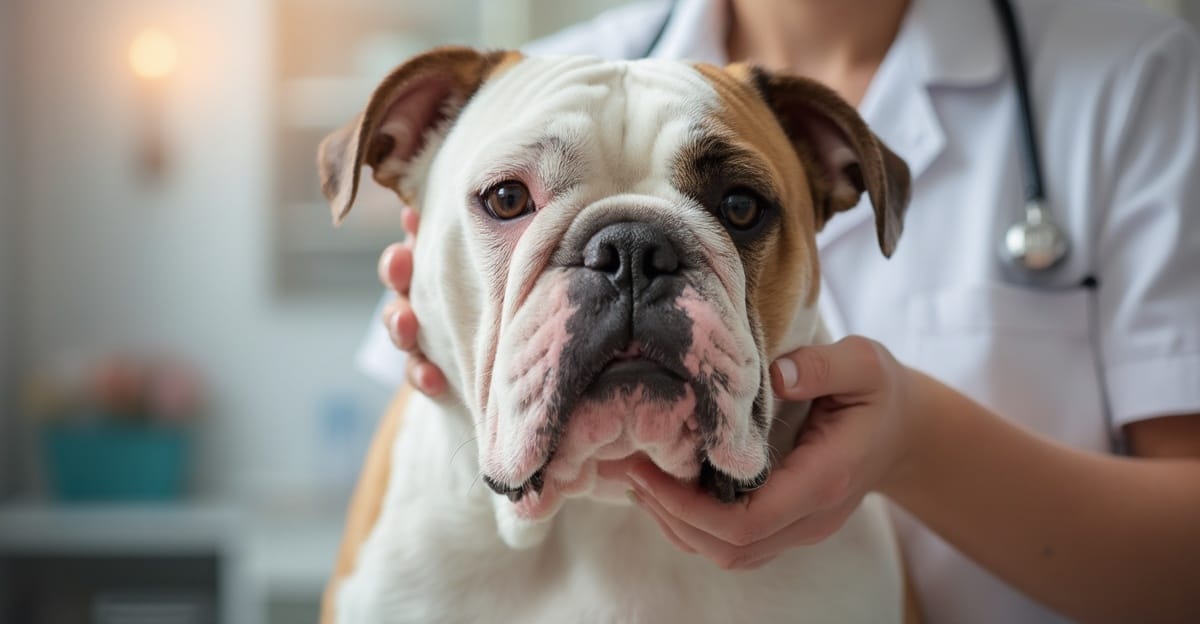
The reality of Bulldog longevity reflects the impact of their numerous health challenges, with most living between 8 to 10 years. This shortened lifespan compared to other medium-sized breeds directly correlates with their genetic predispositions and the cumulative effects of chronic health conditions. Understanding the factors that influence Bulldog lifespan helps owners make informed decisions about care and preparation for their dog’s senior years.
Primary Causes of Mortality
Cancer emerges as a leading cause of death in Bulldogs, with various types affecting the breed at higher rates than the general dog population. Musculoskeletal-related diseases, including severe arthritis from hip dysplasia and spinal issues, significantly impact quality of life in senior Bulldogs. Respiratory complications from progressive BOAS can become life-threatening as dogs age, particularly when combined with heart disease or other systemic conditions. The AKC notes that many Bulldogs also succumb to complications from heat stroke, emphasizing the critical importance of temperature management throughout their lives.
Factors Influencing Longevity
Genetics play a fundamental role in Bulldog lifespan, making the selection of responsibly bred puppies from health-tested parents crucial. Environmental factors such as maintaining appropriate weight, providing proper exercise within the dog’s limitations, and ensuring excellent veterinary care can extend life expectancy. Early intervention for breed-specific conditions often makes the difference between a Bulldog living 6-7 years versus reaching 10-12 years. Regular monitoring for changes in breathing patterns, mobility, and behavior allows for prompt medical intervention when problems arise.
Senior Care Considerations
As Bulldogs enter their senior years around age 6-7, their care requirements intensify significantly. Joint supplements, pain management protocols, and modified exercise routines become necessary to maintain comfort and mobility. Cardiac monitoring increases in importance as heart disease becomes more prevalent with age. Many senior Bulldogs benefit from specialized diets designed to support joint health and manage weight while providing adequate nutrition for their changing metabolic needs.
Is Bulldog care expensive?

The financial commitment of Bulldog ownership extends far beyond the initial purchase price, with ongoing veterinary costs significantly higher than most breeds. The combination of genetic predispositions, chronic conditions requiring management, and potential emergency situations creates a substantial financial responsibility that prospective owners must carefully consider.
Routine Veterinary Expenses
Annual veterinary costs for Bulldogs typically average around $700 for routine care, including regular check-ups, vaccinations, and preventive treatments. However, this baseline figure often represents just the beginning of actual expenses. Bulldogs require more frequent veterinary visits than most breeds due to their predisposition to various health issues. Specialized examinations for breathing difficulties, joint assessments, and skin condition monitoring add to routine costs. Many veterinarians recommend bi-annual check-ups for adult Bulldogs rather than the standard annual visit, effectively doubling routine examination fees.
Specialized Treatment Costs
Treatment for breed-specific conditions can result in substantial expenses that far exceed routine care costs. Surgical correction of stenotic nares typically costs $500-$1,500, while soft palate resection can range from $1,000-$3,000. Hip dysplasia management varies widely, from conservative treatment with supplements and medications costing several hundred dollars annually to total hip replacement surgery exceeding $5,000 per hip. Chronic skin condition management, including prescription shampoos, medications, and specialized diets, can easily add $500-$1,000 to annual expenses. Emergency treatment for heat stroke or respiratory crisis can result in hospitalization costs of $2,000-$5,000.
Insurance and Financial Planning
Pet insurance becomes particularly valuable for Bulldog owners given the breed’s health predispositions, though policies must be secured before conditions develop. Comprehensive coverage typically costs $50-$100 monthly for Bulldogs, but can provide significant financial protection against major medical expenses. Many insurers exclude pre-existing conditions, making early enrollment crucial. Establishing a dedicated savings account for veterinary expenses provides an alternative or supplement to insurance coverage. Financial planning should account for the likelihood of significant medical expenses during the dog’s lifetime, potentially totaling $10,000-$20,000 beyond routine care costs.
Frequently Asked Questions
What health problems do Bulldogs have?
Bulldogs are prone to several health issues, including Brachycephalic Obstructive Airway Syndrome (BOAS) due to their short snouts, hip and elbow dysplasia, and various skin conditions like dermatitis in their folds. They can also suffer from cardiac issues and eye problems. Regular veterinary check-ups are crucial for early detection and management of these breed-specific conditions.
How long do Bulldogs live?
The average lifespan for a Bulldog is typically 8 to 10 years. This can be influenced by genetics, diet, exercise, and the overall quality of veterinary care they receive throughout their lives. Proactive management of their breed-specific health concerns can contribute to a longer, healthier life.
How much does a Bulldog vet visit cost?
A routine Bulldog vet visit can range from $50-$250, depending on location and specific services. However, due to their predisposition to various health issues, annual veterinary costs, including potential treatments for conditions like BOAS or hip dysplasia, can average around $700 or significantly more if specialized care or surgery is required.
Can Bulldogs live in apartments?
Yes, Bulldogs are well-suited for apartment living. They are a low-energy breed and relatively quiet, making them excellent companions for smaller spaces. Their moderate exercise needs can be met with short, gentle walks, and they are generally good-natured indoors. However, owners must be mindful of temperature regulation due to their heat sensitivity.
Conclusion
Bulldogs present unique challenges that require dedicated, knowledgeable care throughout their lives. Their predisposition to brachycephalic syndrome, orthopedic issues, and skin conditions demands proactive management rather than reactive treatment. Understanding these bulldog health problems before bringing one home ensures owners can provide appropriate care and budget for the associated costs. The financial commitment extends beyond routine veterinary care to encompass specialized treatments, potential surgeries, and emergency interventions that may arise from their genetic predispositions. Despite these challenges, Bulldogs can live fulfilling lives when their specific needs are met through careful environmental management, appropriate exercise limitations, and regular veterinary monitoring. The key to successful Bulldog ownership lies in education, preparation, and commitment to their unique care requirements. With proper management of their health conditions and realistic expectations about their limitations, these gentle, affectionate dogs bring immense joy to families willing to invest in their specialized needs. Use our Pet Age Calculator to discover your Bulldog’s life stage, potential health risks, and what to watch for at their current age.
Sources & References
This article is for informational purposes only and does not constitute veterinary advice. Always consult a qualified veterinarian for health concerns specific to your Bulldog.