
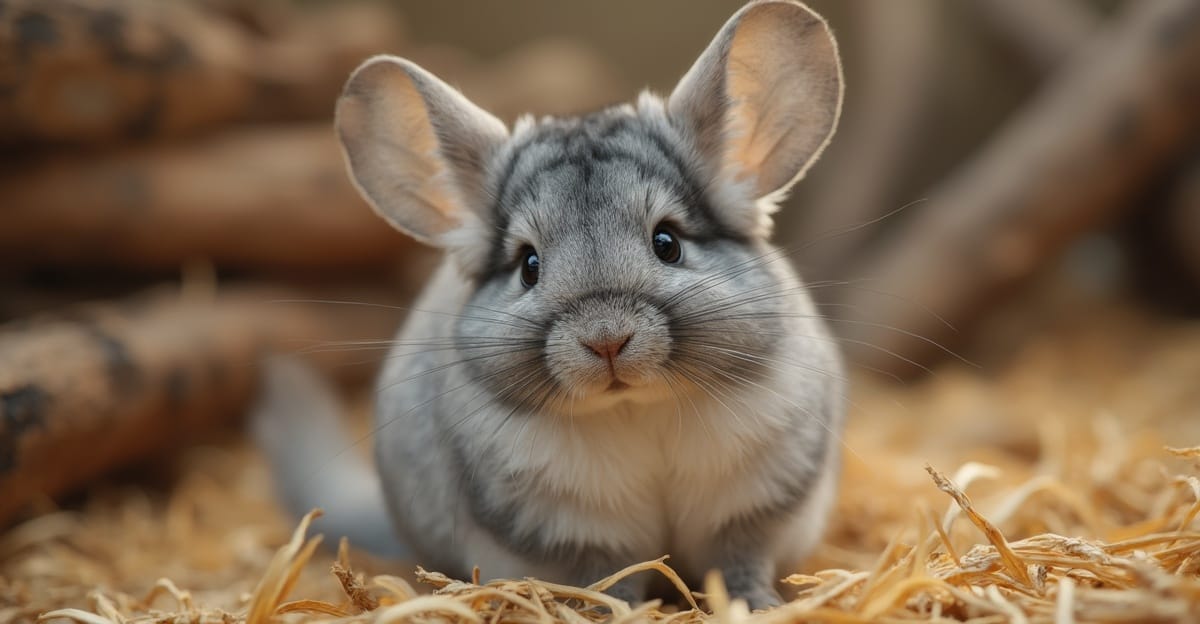
Understanding Your Chinchilla’s Unique Behavior Traits
These fluffy, dust-bathing acrobats from the Andes mountains bring a unique set of behaviors that can puzzle even experienced pet owners. Understanding chinchilla behavior isn’t just about curiosity—it’s essential for providing proper care that honors their natural instincts. Unlike many small pets, chinchillas follow their own schedule, communicate through subtle body language, and have specific social needs that directly impact their well-being. From their crepuscular activity patterns to their complex social dynamics, every aspect of a Chinchilla’s behavior serves a purpose rooted in millions of years of evolution in harsh mountain environments.
Table of Contents
Key Takeaways
- Chinchillas are crepuscular, meaning their most active periods are at dawn and dusk, which influences their daily behavior.
- Their body language, including tail twitches and ear positions, is crucial for understanding their mood and needs.
- Chinchillas are social animals that thrive on companionship, whether with other chinchillas or consistent human interaction.
- Chewing is a natural and necessary chinchilla behavior for dental health, requiring a constant supply of safe chew toys and hay.
Quick Facts
| Size Category | Small |
| Origin | Andes / Chile |
| Activity Cycle | Crepuscular |
| Diet Type | Strict Herbivore |
| Habitat Type | Vertical Cage |
| breed biting tendency | low |
| breed activity peak hours | dawn and dusk |
| breed body language | tail twitching, ear positioning, and body posture |
What is Chinchilla Behavior Like?

Chinchilla behavior reflects their origins as mountain-dwelling prey animals, creating a fascinating blend of alertness, playfulness, and caution. These small mammals exhibit crepuscular activity patterns, meaning they naturally become most energetic during the twilight hours of dawn and dusk. This timing aligns with their wild ancestors’ feeding and exploration schedules when predators were less active and temperatures were cooler in their native Andean habitat.
Natural Activity Patterns and Energy Cycles
During their active periods, chinchillas display remarkable agility and curiosity. They leap between platforms, explore every corner of their environment, and engage in vigorous play sessions that can last several hours. Their dense fur, which contains up to 60 hairs per follicle, requires special maintenance through dust baths—a behavior that’s both practical and deeply satisfying for them. These dust rolling sessions aren’t just hygiene; they’re expressions of contentment and natural instinct.
Communication Through Vocalizations
Chinchillas possess a surprisingly diverse vocal repertoire that reveals their emotional states and intentions. Soft chirping sounds indicate contentment, while sharp barks serve as alarm calls when they perceive danger. Gentle cooing often accompanies social bonding, and high-pitched squeaks can signal excitement or mild distress. Understanding these vocalizations helps owners respond appropriately to their pet’s needs and emotional state.
Physical Expression and Body Language
Beyond vocalizations, chinchillas communicate extensively through body language. Ear positioning reveals their attention level—forward-facing ears indicate alertness or interest, while flattened ears suggest fear or aggression. Tail movements are equally telling: a relaxed tail indicates calm contentment, while rapid twitching often signals agitation or excitement. Their posture also communicates volumes—a chinchilla standing tall on hind legs is surveying their territory, while a hunched position might indicate illness or stress.
How to Recognize Stress in Chinchillas
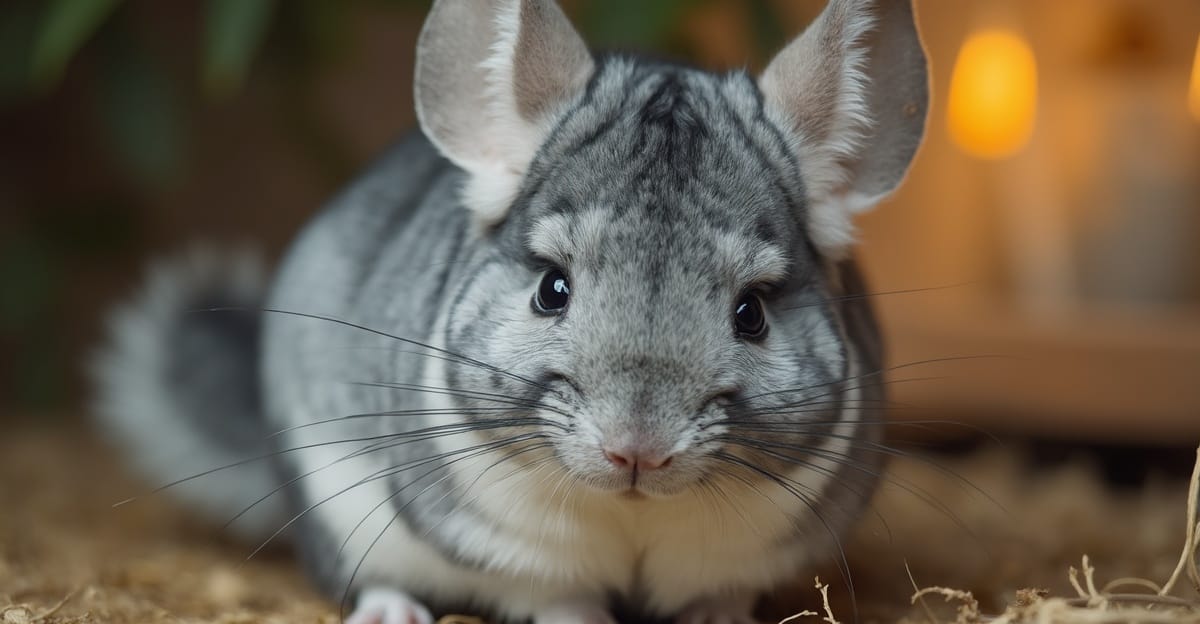
Stress manifests differently in chinchillas compared to other small pets, making recognition crucial for maintaining their health and happiness. These sensitive animals can develop stress-related behaviors that, if left unchecked, may lead to serious health complications. Early identification of stress signs allows for prompt intervention and environmental adjustments.
Behavioral Changes and Warning Signs
The most obvious stress indicators include dramatic changes in normal behavior patterns. A typically active chinchilla that suddenly becomes lethargic or, conversely, one that begins pacing frantically, is likely experiencing significant stress. Loss of appetite represents another critical warning sign, as chinchillas normally maintain consistent eating habits. When they refuse their favorite treats or stop consuming their regular pellets, immediate attention is warranted.
Physical Manifestations of Distress
Stress often appears through physical behaviors that serve as coping mechanisms. Fur chewing, known as barbering, occurs when chinchillas gnaw on their own or cage mates’ fur, creating patchy, uneven coat patterns. This compulsive behavior typically indicates chronic stress, boredom, or inadequate environmental enrichment. Excessive grooming beyond normal maintenance levels can also signal anxiety or discomfort.
Environmental and Social Stressors
Common stress triggers include sudden environmental changes, inadequate cage space, improper temperature control, or disruption of their established routines. Chinchillas are particularly sensitive to heat, and temperatures above 70°F can cause dangerous overheating. Loud noises, bright lights during their rest periods, and lack of hiding spaces also contribute to chronic stress. Social isolation in these naturally gregarious animals often leads to depression-like symptoms and behavioral deterioration.
Chinchilla Social Needs Explained
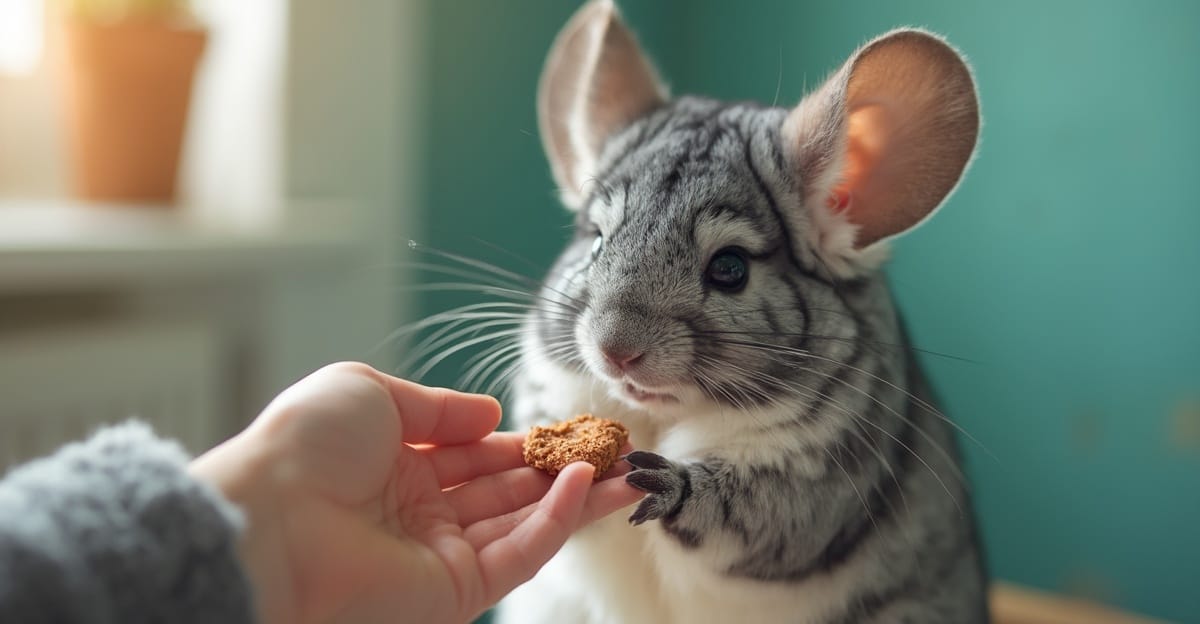
Despite their small size, chinchillas possess complex social requirements that significantly impact their overall well-being. These social animal needs stem from their natural behavior as herd animals in the wild, where they lived in large colonies for protection and companionship. Understanding and meeting these social requirements is essential for preventing behavioral problems and ensuring emotional health.
Companionship and Bonding Requirements
Chinchillas form deep, lasting bonds with both their own species and their human caregivers. When housed alone, they require substantial daily interaction to prevent loneliness and its associated behavioral problems. These interactions should include gentle handling, supervised play time, and consistent routine contact. Single chinchillas often develop stronger bonds with their human families but need more attention to compensate for the lack of constant companionship.
Multi-Chinchilla Dynamics
Paired or group-housed chinchillas display fascinating social behaviors including mutual grooming, synchronized dust bathing, and coordinated play sessions. However, introducing new chinchillas requires careful planning and gradual acclimation to prevent territorial disputes. Same-sex pairs or neutered mixed pairs typically work best, though personality compatibility matters more than gender in many cases. Proper introductions involve separate cages placed near each other, supervised neutral territory meetings, and gradual integration over several weeks.
Human-Chinchilla Relationships
Building trust with a chinchilla requires patience, consistency, and respect for their natural instincts. These animals remember positive and negative experiences, making early socialization particularly important. Regular, gentle handling helps them become comfortable with human contact, though they’ll always retain some natural wariness as prey animals. Successful bonding involves reading their body language, respecting their boundaries, and providing positive associations with human presence through treats and gentle interaction.
Is Your Chinchilla’s Chewing Normal?

Chewing represents one of the most fundamental and necessary chinchilla behaviors, directly linked to their dental health and overall well-being. Unlike many mammals, chinchillas have continuously growing teeth throughout their lives, making constant chewing not just normal but absolutely essential for preventing serious health complications.
The Science Behind Constant Chewing
Chinchilla teeth grow approximately 2-3 inches per year, requiring constant wear to maintain proper length and alignment. This moderate chewing behavior serves multiple purposes: it keeps teeth properly worn, exercises jaw muscles, and provides mental stimulation. Without adequate chewing opportunities, teeth can become overgrown, leading to painful malocclusion, difficulty eating, and potentially life-threatening complications requiring veterinary intervention.
Providing Appropriate Chewing Materials
Safe chewing options include untreated apple or pear wood, pumice blocks, hay-based chew toys, and high-quality timothy hay. Avoid cedar, pine, or any treated woods, as these can cause respiratory irritation or toxicity. Rotate different textures and hardnesses to maintain interest and provide varied dental exercise. Commercial chinchilla-specific chew toys offer convenience, but natural materials often provide superior dental benefits and environmental enrichment.
Managing Destructive Chewing Tendencies
While chewing is natural and necessary, chinchillas will attempt to chew inappropriate items if given access. Their moderate destruction potential means they’ll gnaw on cage bars, plastic accessories, electrical cords, or furniture during supervised free-roam time. Chinchilla-proofing involves removing or protecting potential hazards and redirecting their attention to appropriate chewing alternatives. Providing multiple chewing options reduces the likelihood of destructive behavior while satisfying their natural instincts.
Frequently Asked Questions
Are Chinchillas aggressive?
Chinchillas are generally not aggressive, but they can bite if they feel threatened, scared, or are handled improperly. Their low biting tendency means aggression is usually a sign of stress, pain, or fear rather than inherent temperament. Gentle, consistent handling from a young age helps build trust and reduces the likelihood of defensive behaviors. Always approach them calmly and respect their boundaries.
Why does my Chinchilla hide?
Chinchillas hide as a natural instinct to feel safe and secure, especially in a new environment or when they perceive a threat. As prey animals, seeking shelter is a fundamental behavior. Providing multiple hiding spots within their cage, such as tunnels, houses, or fleece hammocks, is crucial for their well-being. Excessive hiding, however, could indicate stress, illness, or discomfort, warranting closer observation.
How can I tell if my Chinchilla is stressed?
Signs of stress in a chinchilla include changes in appetite, excessive fur chewing (barbering), hiding more than usual, frantic pacing, increased vocalizations (like barking or squealing), or reluctance to engage in dust baths. Teeth grinding (bruxism) can also indicate pain or stress. If these behaviors persist, it’s important to consult a veterinarian to rule out underlying health issues.
What are common Chinchilla behaviors?
Common chinchilla behaviors include dust bathing to keep their fur clean, gnawing on objects to maintain dental health, and exhibiting crepuscular activity patterns with peak energy at dawn and dusk. They communicate through various vocalizations and body language, such as tail twitching and ear movements. They are also known for their agility, enjoying climbing and exploring vertical spaces within their habitat.
Conclusion
Understanding chinchilla behavior requires patience, observation, and respect for their unique evolutionary adaptations. These remarkable creatures bring joy and companionship when their natural instincts are honored and their environmental needs are met. Recognizing the importance of their crepuscular activity patterns, social animal needs, and constant chewing requirements forms the foundation of successful chinchilla ownership. Regular monitoring for stress signs, combined with appropriate environmental enrichment, ensures these delightful pets can express their natural behaviors in healthy, positive ways. Success with chinchillas comes from working with their instincts rather than against them, creating an environment where they can thrive physically and emotionally. For additional guidance on maintaining your chinchilla’s health, explore resources on chinchilla health problems, understand the financial aspects through how much does a chinchilla cost, and enhance your bond with effective chinchilla training tips. Curious how the Chinchilla compares to other breeds in temperament? Try our Pet Comparison Tool for a side-by-side visual breakdown.
Sources & References
⚠️ This article is for informational purposes only and does not replace professional veterinary advice. Always consult a qualified vet for your pet’s health needs.