

Understanding German Shepherd Health and Lifespan
The noble German Shepherd stands as one of America’s most beloved breeds, yet beneath their striking appearance and unwavering loyalty lies a complex genetic landscape that every owner must understand. These magnificent dogs face unique health challenges that stem from their breeding history and large breed characteristics. While german shepherd health problems shouldn’t discourage potential owners, awareness and proactive management are essential for ensuring these devoted companions live their fullest lives. From hip dysplasia to degenerative myelopathy, understanding the breed’s predispositions empowers owners to make informed decisions about prevention, early detection, and treatment strategies that can significantly impact their German Shepherd’s quality of life.
Table of Contents
Key Takeaways
- German Shepherds are prone to genetic conditions like hip and elbow dysplasia, requiring careful breeding and screening.
- Degenerative Myelopathy is a serious neurological condition common in the breed, with early signs including hind limb weakness.
- Regular veterinary check-ups, appropriate nutrition, and controlled exercise are crucial for managing German Shepherd health.
- The average lifespan for a German Shepherd is around 10.3 years, emphasizing the importance of proactive health management.
Quick Facts
| Size Category | Large |
| Origin | Germany |
| Hypoallergenic | no |
| Energy Level | very high energy |
| Trainability | highly trainable |
| breed lifespan | 10.3 years |
| breed top3 conditions | hip dysplasia, elbow dysplasia, degenerative myelopathy |
| breed health tests | OFA Hips & Elbows, GSDCA Temperament Test, OFA Cardiac and Thyroid tests |
Common Health Problems in German Shepherds

German Shepherds face a constellation of health challenges that reflect both their genetic heritage and their classification as a large breed dog. The most significant german shepherd health problems stem from musculoskeletal disorders, neurological conditions, and certain cancers that appear with higher frequency in this breed compared to the general canine population.
Musculoskeletal Disorders in the Breed
Hip and elbow dysplasia represent the most prevalent large breed health issues affecting German Shepherds. These conditions involve abnormal development of the hip and elbow joints, leading to arthritis, pain, and mobility limitations. According to the Orthopedic Foundation for Animals (OFA), German Shepherds consistently rank among breeds with higher dysplasia rates. The condition’s hereditary nature means that affected dogs can pass these traits to their offspring, making responsible breeding practices crucial for long-term breed health.
Beyond joint dysplasia, German Shepherds also experience higher rates of cruciate ligament injuries, particularly affecting the cranial cruciate ligament in the knee. These injuries often require surgical intervention and can significantly impact a dog’s mobility and quality of life.
The breed’s athletic nature and high energy levels may contribute to increased wear on these critical joint structures.
Neurological and Cancer Risks
Degenerative myelopathy stands out as one of the most serious dog genetic conditions affecting German Shepherds. This progressive neurological disease attacks the spinal cord, causing gradual paralysis that typically begins in the hind limbs. Unlike joint conditions, degenerative myelopathy is not painful but profoundly impacts mobility and eventually proves fatal.
Cancer risks in German Shepherds include hemangiosarcoma, a malignant tumor affecting blood vessels, and osteosarcoma, a bone cancer more common in large breeds. These canine musculoskeletal disorders and related conditions underscore the importance of regular veterinary monitoring and early detection strategies. The American Kennel Club emphasizes that while these conditions are concerning, proper health screening and responsible ownership can help manage many risks.
How to Prevent Hip Dysplasia in German Shepherds

Prevention of hip dysplasia in German Shepherds requires a multi-faceted approach that begins before birth and continues throughout the dog’s life. While genetic predisposition plays a significant role, environmental factors and management decisions can substantially influence whether a dog develops this condition and how severely it affects their quality of life.
Breeding and Puppy Selection Strategies
The foundation of hip dysplasia prevention lies in selecting puppies from parents with excellent hip scores. Reputable breeders conduct OFA (Orthopedic Foundation for Animals) certifications on both parent dogs, providing concrete evidence of hip joint health. These X-ray evaluations, performed after age two, rate hips as Excellent, Good, Fair, Borderline, Mild, Moderate, or Severe. Breeding dogs should have ratings of Good or better to minimize genetic transmission of dysplastic traits.
When evaluating potential breeders, prospective owners should request to see OFA certificates for both parents and ask about the hip status of grandparents and siblings from previous litters. The German Shepherd Dog Club of America maintains breeding guidelines that emphasize health testing, and responsible breeders readily share this information. Avoiding puppy mills and backyard breeders who skip health testing represents a crucial first step in prevention.
Nutrition and Exercise Management
Proper nutrition during the critical growth phase significantly impacts hip development. Large breed puppy formulas contain controlled levels of calcium and phosphorus, preventing the rapid growth that can exacerbate hip joint problems. Overfeeding during puppyhood creates excess weight that stresses developing joints, while appropriate nutrition supports steady, controlled growth.
Exercise management during puppyhood requires careful balance. While german shepherd exercise needs are substantial, high-impact activities like jumping, forced running, and excessive stair climbing should be limited until growth plates close around 18-24 months. Swimming provides excellent low-impact exercise that builds muscle strength without stressing joints. Adult German Shepherds benefit from regular, moderate exercise that maintains muscle tone and joint mobility without causing excessive wear. Weight management throughout life reduces stress on hip joints, making this one of the most effective long-term prevention strategies.
What Are the Signs of Degenerative Myelopathy?

Degenerative myelopathy presents a particularly challenging diagnosis because its early symptoms often appear subtle and can be mistaken for normal aging or minor injuries. This progressive neurological condition affects the white matter of the spinal cord, leading to gradual loss of coordination and strength in the hind limbs. Understanding the progression and recognizing early warning signs enables owners to seek veterinary evaluation promptly.
Early Stage Symptoms and Progression
The initial signs of degenerative myelopathy typically appear in dogs between 8-14 years of age, though some cases manifest earlier. Owners often first notice subtle changes in their German Shepherd’s gait, particularly a slight dragging or scuffing of the hind paws during walks. The dog may stumble occasionally or show difficulty navigating stairs, especially when descending.
One of the most characteristic early signs involves asymmetrical weakness, where one hind leg appears weaker than the other. Affected dogs may cross their hind legs while walking or show a swaying motion in their rear end. Unlike hip dysplasia or arthritis, degenerative myelopathy typically causes no pain, which can delay recognition since dogs don’t show obvious discomfort. The condition progresses gradually, with symptoms becoming more pronounced over months rather than days or weeks.
Advanced Symptoms and Quality of Life Considerations
As degenerative myelopathy advances, the neurological deficits become more pronounced and bilateral. Dogs lose proprioception (awareness of limb position), leading to knuckling of the paws and increased difficulty maintaining balance. The characteristic ‘drunken sailor’ gait becomes more obvious, and dogs may struggle to rise from lying positions or maintain standing postures.
In later stages, the weakness progresses to affect the front limbs, and dogs may develop difficulty with bowel and bladder control. The disease eventually leads to paralysis, though this progression can take months to years. Veterinary care for dogs with degenerative myelopathy focuses on maintaining quality of life through physical therapy, mobility aids, and supportive care. The ASPCA emphasizes that while there’s no cure for degenerative myelopathy, early intervention can help maintain function and comfort for extended periods.
Is Your German Shepherd Prone to Elbow Dysplasia?
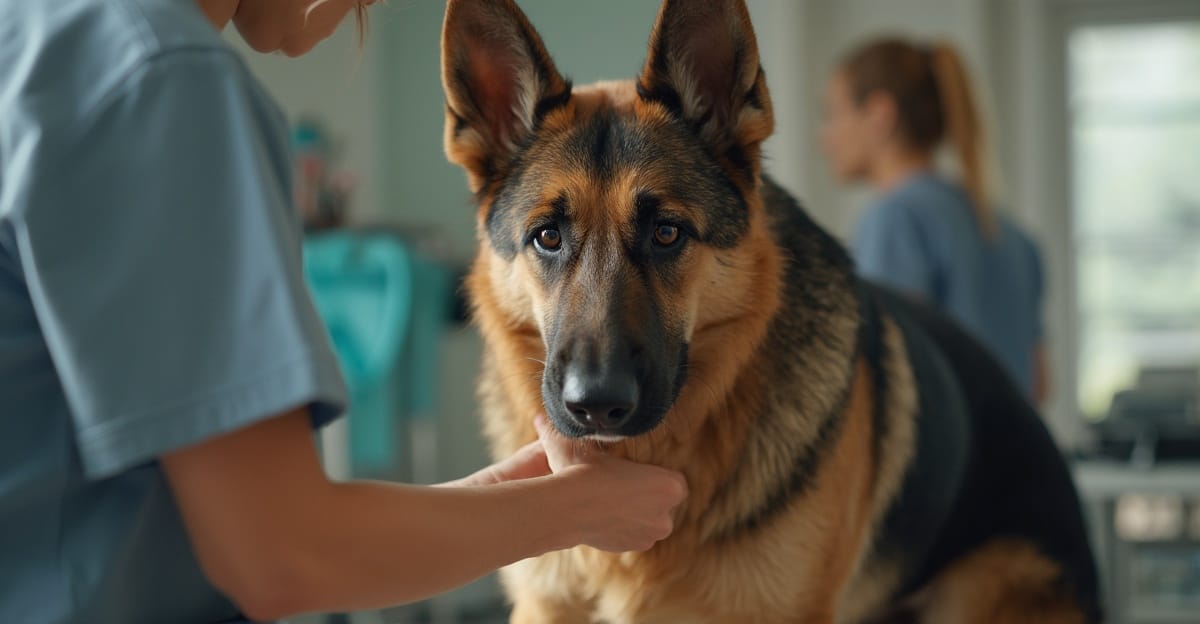
Elbow dysplasia represents another significant orthopedic concern for German Shepherd owners, often overshadowed by the more commonly discussed hip dysplasia but equally important for the breed’s long-term health and mobility. This condition encompasses several developmental abnormalities of the elbow joint, including fragmented coronoid process, osteochondritis dissecans, and ununited anconeal process. Understanding the risk factors, symptoms, and financial implications helps owners make informed decisions about prevention and treatment.
Understanding Elbow Dysplasia Risk Factors
German Shepherds face elevated risks for elbow dysplasia due to their rapid growth rate, genetic predisposition, and large breed status. The condition typically develops during the rapid growth phase between 4-10 months of age, when the various components of the elbow joint must grow and fuse properly. Genetics play a primary role, with affected parents more likely to produce offspring with elbow problems, making breeder selection crucial.
Environmental factors can influence the severity of elbow dysplasia even in genetically predisposed dogs. Excessive nutrition leading to rapid growth, trauma during the growth phase, and inappropriate exercise can exacerbate developmental problems. Male German Shepherds show slightly higher rates of elbow dysplasia compared to females, and the condition often affects both elbows simultaneously, though one side may be more severely affected.
Diagnosis, Treatment Costs, and Long-term Management
Recognizing elbow dysplasia requires attention to subtle signs that may initially appear as minor lameness or stiffness. Affected German Shepherds often show front limb lameness that’s worse after exercise or rest, reluctance to extend the affected leg fully, and swelling around the elbow joint. The lameness may be intermittent initially but typically becomes more consistent as the condition progresses.
Diagnostic costs for elbow dysplasia can be substantial, with initial X-rays ranging from $200-500, and advanced imaging like CT scans costing $1,500-3,000. The breed’s annual veterinary costs averaging around $700 often reflect the need for ongoing monitoring and management of these orthopedic conditions. Treatment options vary from conservative management with anti-inflammatory medications and physical therapy to surgical interventions that can cost $3,000-8,000 per elbow. VCA Animal Hospitals report that early intervention and weight management significantly improve long-term outcomes, making regular veterinary care for dogs essential for breed health management.
Frequently Asked Questions
What health problems do German Shepherds have?
German Shepherds are prone to several genetic health issues, including hip and elbow dysplasia, which are common musculoskeletal conditions. They also have a higher risk for degenerative myelopathy, a progressive neurological disease, and certain cancers like hemangiosarcoma. Regular health screenings and responsible breeding practices are crucial for managing these concerns.
How long do German Shepherds live?
The average lifespan for a German Shepherd is approximately 10.3 years, though individual dogs can live longer with excellent care. Factors influencing their longevity include genetics, diet, exercise, and the early detection and management of health conditions. Proactive veterinary care and a healthy lifestyle can contribute to a longer, healthier life for your German Shepherd.
How much does a German Shepherd vet visit cost?
Routine vet visits for a German Shepherd, including annual check-ups and vaccinations, typically range from $50 to $250. However, specialized care, such as OFA certifications for hips and elbows, or treatment for conditions like degenerative myelopathy, can significantly increase costs. Annual veterinary expenses, including preventative care, can average around $700 for the breed.
Can German Shepherds develop degenerative myelopathy?
Yes, German Shepherds are genetically predisposed to degenerative myelopathy (DM), a progressive disease affecting the spinal cord. It typically manifests in middle-aged to older dogs, causing hind limb weakness and incoordination that worsens over time. While there is no cure, early diagnosis and supportive care can help manage symptoms and maintain quality of life.
German Shepherds represent one of the most remarkable breeds in the canine world, combining intelligence, loyalty, and athleticism in a truly exceptional package. However, their genetic predispositions to conditions like hip and elbow dysplasia, degenerative myelopathy, and certain cancers require dedicated attention from responsible owners. The breed’s relatively short average lifespan of 10.3 years makes every year precious, emphasizing the critical importance of proactive health management strategies.
Success in managing german shepherd health problems begins with selecting puppies from health-tested parents and continues through appropriate nutrition, controlled exercise, and regular veterinary monitoring. Early detection of symptoms, whether subtle changes in gait that might indicate degenerative myelopathy or lameness suggesting joint problems, can dramatically improve treatment outcomes and quality of life. While the financial commitment for proper veterinary care can be substantial, the investment in preventive care and early intervention pays dividends in extended, healthier years with these devoted companions.
Conclusion
The key to navigating German Shepherd ownership successfully lies in education, preparation, and partnership with qualified veterinary professionals. Understanding the breed’s unique health landscape enables owners to make informed decisions about everything from how much does a german shepherd cost in terms of lifetime care to implementing effective german shepherd training tips that support physical and mental well-being. Use our Pet Age Calculator to discover your German Shepherd’s life stage, potential health risks, and what to watch for at their current age.
Sources & References
This article is for informational purposes only and does not constitute veterinary advice. Always consult a qualified veterinarian for health concerns specific to your German Shepherd.