
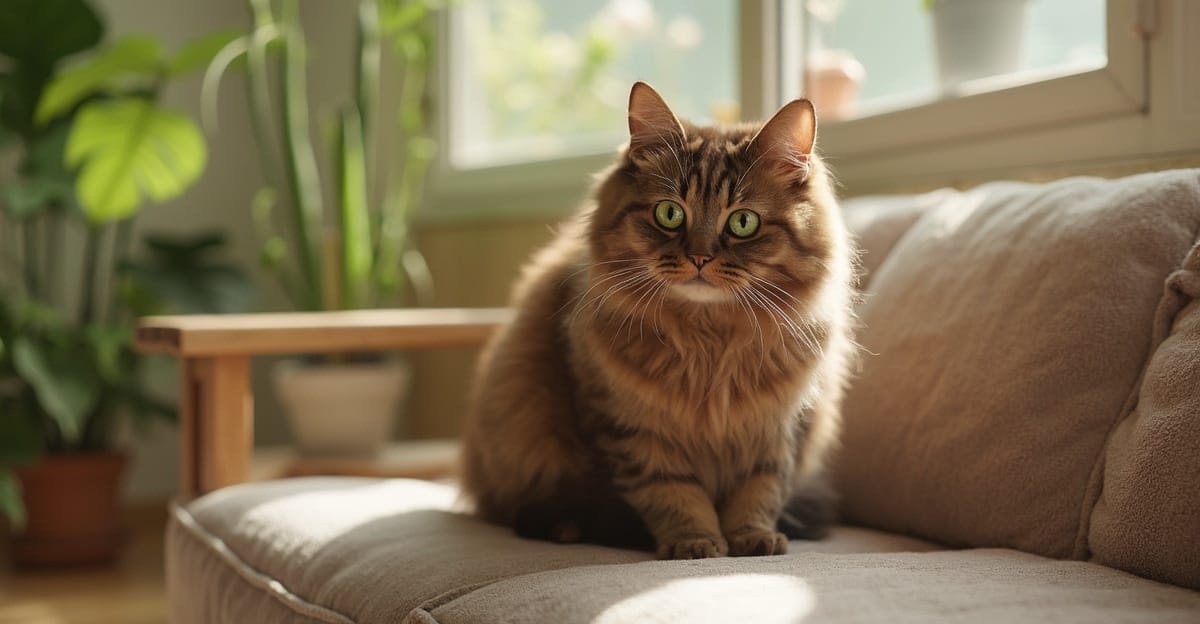
Feeding Your Havana Brown: A Comprehensive Guide
The Havana Brown’s striking chocolate coat and emerald eyes make them one of the most visually captivating cat breeds, but their beauty extends far beyond appearances. These small, moderately energetic cats from England require specialized havana brown nutrition that supports their active lifestyle while accommodating their apartment-friendly nature. With their highly trainable personalities and very affectionate temperament, Havana Browns thrive on consistent care routines, including a well-planned feeding schedule. Understanding their unique dietary needs becomes essential for maintaining their generally healthy constitution throughout their 12-15 year lifespan. Whether you’re welcoming your first Havana Brown or seeking to optimize your current cat’s diet, proper nutrition forms the foundation of their overall well-being and longevity.
Table of Contents
Key Takeaways
- Prioritize high-quality, animal-protein-rich cat food that meets AAFCO standards for your Havana Brown.
- Tailor feeding portions to your Havana Brown’s specific life stage (kitten, adult, senior) and activity level to maintain a healthy weight.
- Strictly avoid common toxic foods like onions, garlic, and raw fish to protect your Havana Brown’s delicate digestive system.
- Ensure constant access to fresh water and consider incorporating wet food to support your Havana Brown’s hydration needs.
Quick Facts
| Size Category | Small |
| Origin | England |
| Hypoallergenic | no |
| Energy Level | moderate energy |
| Trainability | highly trainable |
| breed toxic top3 | 1. Onions and garlic, 2. Raw fish and meat, 3. Alcohol |
What is the Best Diet for a Havana Brown?
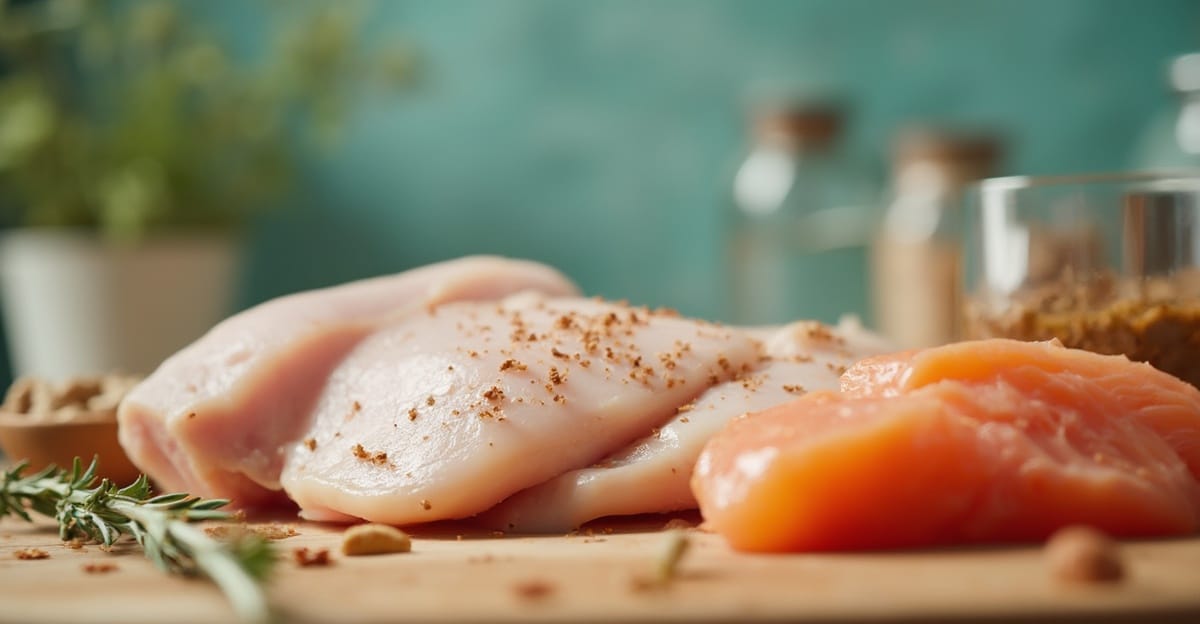
Selecting the optimal diet for your Havana Brown requires understanding their fundamental nature as obligate carnivores. These elegant cats demand animal-based protein as their primary nutritional source, making meat the non-negotiable foundation of their diet. When evaluating cat feeding guidelines, prioritize foods where real meat such as chicken, turkey, salmon, or beef appears as the first ingredient on the label.
AAFCO Standards and Quality Assurance
The Association of American Feed Control Officials sets the gold standard for feline nutrition, and any food you select should meet or exceed these rigorous requirements. AAFCO standards for cats ensure your Havana Brown receives complete and balanced nutrition across all essential nutrients including proteins, fats, vitamins, and minerals. Look for the AAFCO statement on packaging that confirms the food has undergone feeding trials or meets established nutrient profiles for your cat’s specific life stage.
Tailoring Diet to Lifestyle and Activity
Given their moderate energy level and apartment-friendly disposition, Havana Browns benefit from diets specifically formulated for indoor, moderately active cats. These formulations typically contain controlled calorie levels to prevent weight gain while providing sufficient energy for their daily activities. Consider rotating between different high-quality protein sources to expose your cat to varied nutrients and reduce the risk of developing food sensitivities over time.
How Much Should a Havana Brown Eat Daily?
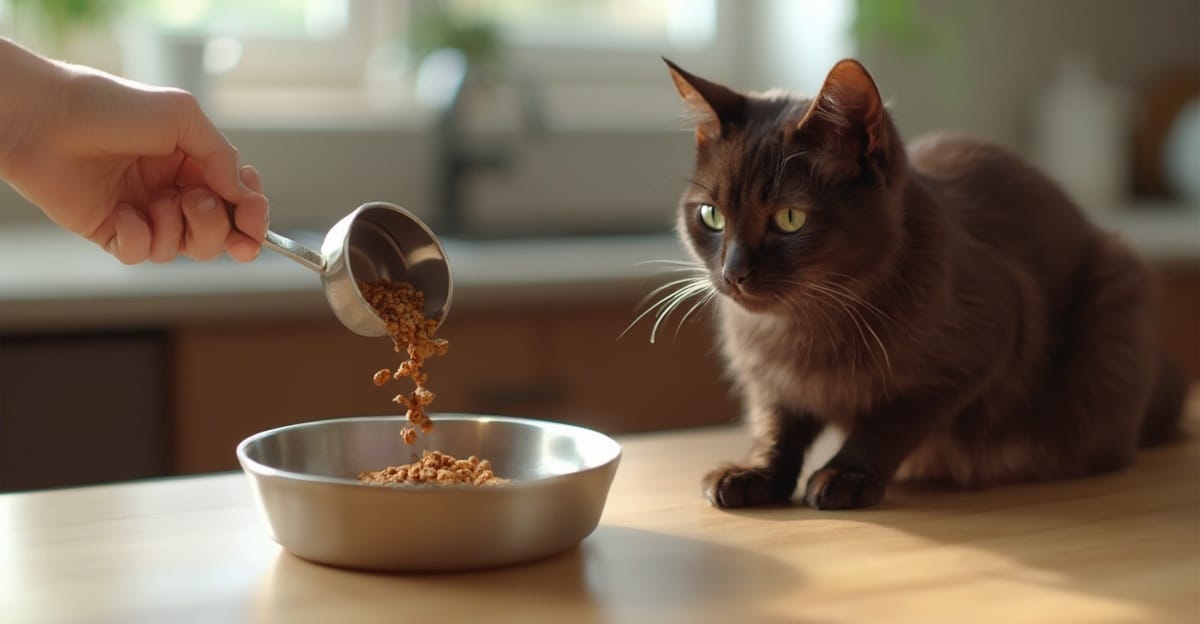
Determining the appropriate daily food intake for your Havana Brown depends heavily on their life stage, current weight, and individual metabolism. These small cats, typically weighing between 6-10 pounds, have specific caloric requirements that vary significantly from kittenhood through their senior years. Establishing proper portion control early prevents obesity while ensuring adequate nutrition for optimal health.
Kitten Feeding Requirements
Havana Brown kittens experience rapid growth and development, requiring significantly more calories per pound of body weight than adult cats. Feed kittens small, frequent meals throughout the day — typically three to four times daily until six months of age. High-quality kitten food provides the concentrated nutrition necessary for proper bone development, muscle growth, and cognitive function during these crucial early months.
Adult and Senior Feeding Guidelines
Adult Havana Browns generally require 200-250 calories daily, though individual needs may vary based on activity level, metabolism, and overall health status. Monitor your cat’s body condition score regularly, adjusting portions as needed to maintain an ideal weight. Senior cats often benefit from easily digestible proteins and may require calorie modifications to prevent age-related weight gain or muscle loss. Always consult the feeding guidelines on your chosen food packaging, using your cat’s current weight and body condition as primary reference points for portion determination.
Toxic Foods to Avoid for Havana Browns
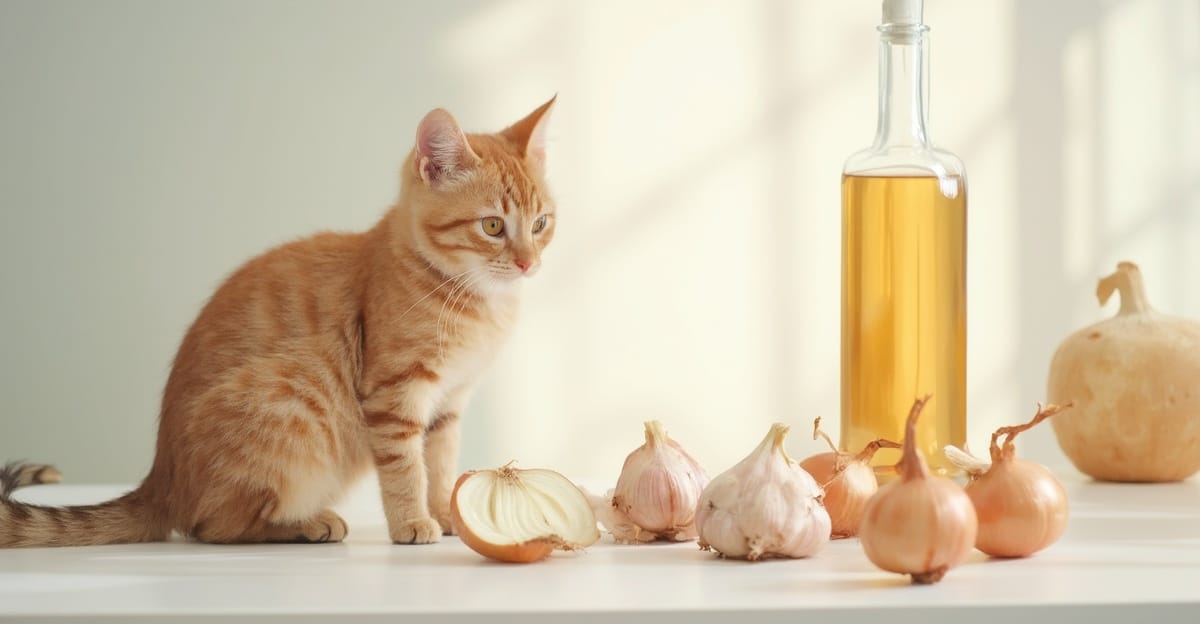
Understanding which foods pose serious health risks to your Havana Brown is crucial for preventing accidental poisoning and maintaining their well-being. Cats metabolize certain compounds differently than humans or even dogs, making seemingly harmless foods potentially deadly. The most dangerous items require complete elimination from your cat’s environment, not just their food bowl.
Primary Toxic Threats
Onions and garlic top the list of dangerous foods for Havana Browns, capable of causing severe red blood cell damage and anemia even in small quantities. These allium family vegetables contain compounds that destroy feline red blood cells, leading to weakness, lethargy, and potentially life-threatening complications. Raw fish and meat present dual dangers through harmful bacteria like Salmonella and E. coli, plus enzymes that destroy essential thiamine, potentially causing neurological problems.
Additional Hazardous Substances
Alcohol represents an extreme toxicity risk for Havana Browns, as cats cannot process ethanol effectively, leading to rapid intoxication, organ damage, and potentially fatal consequences. Chocolate contains theobromine and caffeine, both toxic to felines, while grapes and raisins can cause kidney failure. Xylitol, an artificial sweetener, triggers dangerous blood sugar drops in cats, making sugar-free products particularly hazardous.
Understanding Havana Brown’s Nutritional Needs
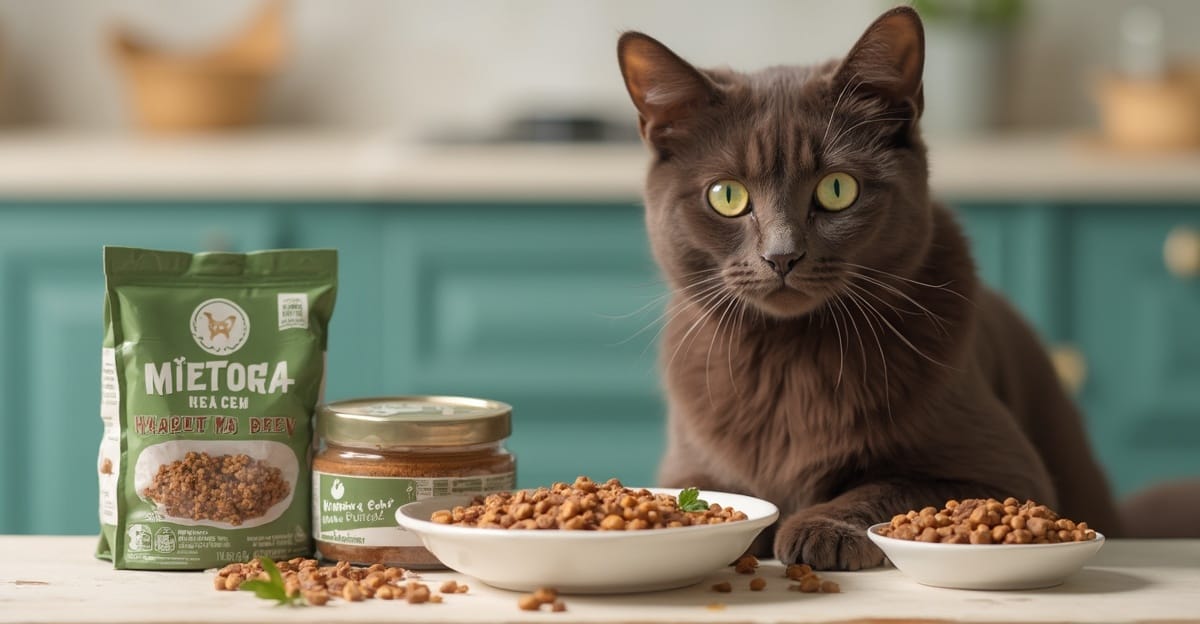
The unique physiology of Havana Browns influences their specific nutritional requirements, particularly regarding hydration and protein utilization. These cats benefit from vet-recommended cat food formulations that address their moderate activity level while supporting their generally healthy constitution. Understanding the relationship between wet and dry food options helps optimize their dietary plan for long-term wellness.
Hydration and Moisture Content
Havana Browns, like all domestic cats, have a naturally low thirst drive inherited from their desert-dwelling ancestors. Wet food provides essential moisture that supports kidney function, urinary tract health, and overall hydration status. The high water content in canned food helps prevent urinary crystals and stones while supporting proper organ function throughout their 12-15 year lifespan.
Balancing Wet and Dry Food Benefits
While wet food excels in hydration support, high-quality dry kibble offers convenience and potential dental benefits through mechanical cleaning action during chewing. An apartment-friendly cat diet often combines both textures, providing hydration from wet meals and dental support from controlled dry food portions. Regardless of food type selection, maintain constant access to fresh, clean water to support your Havana Brown’s optimal health and prevent dehydration-related complications.
Frequently Asked Questions
What should I feed my Havana Brown?
For your Havana Brown, prioritize high-quality cat food with real meat as the first ingredient, meeting AAFCO nutritional standards. Both wet and dry food can be beneficial; wet food aids hydration, while dry food can support dental health. Given their moderate energy, a diet balanced for indoor cats is often suitable. Always consult your vet for personalized recommendations.
How much should a Havana Brown eat per day?
An adult Havana Brown (6-10 lbs) typically needs around 200-250 calories daily, but this can vary based on their activity level and individual metabolism. Kittens require more frequent, smaller meals, while senior cats may need calorie adjustments. Always follow the feeding guidelines on your chosen food packaging and monitor your cat’s body condition to prevent over or underfeeding.
What foods are toxic to Havana Browns?
Several foods are highly toxic to Havana Browns and all cats. These include onions and garlic (in any form), raw fish and meat, alcohol, chocolate, caffeine, and grapes/raisins. Even small amounts can cause severe health issues like anemia, gastrointestinal upset, or organ damage. Always keep these items out of your Havana Brown’s reach.
Can Havana Browns eat raw fish?
No, it is not recommended to feed raw fish to your Havana Brown. Raw fish can contain harmful bacteria such as Salmonella and E. coli, which can cause severe gastrointestinal problems. Additionally, some raw fish contain an enzyme called thiaminase, which destroys thiamine (Vitamin B1), potentially leading to neurological issues if consumed regularly. Cooked fish in moderation is a safer alternative.
Conclusion
Optimal havana brown nutrition forms the cornerstone of your cat’s health and longevity, requiring careful attention to ingredient quality, portion control, and safety considerations. High-quality, AAFCO-compliant foods with animal protein as the primary ingredient provide the foundation for proper feline nutrition throughout your Havana Brown’s life stages. Tailoring feeding amounts to match their moderate energy level and individual metabolism prevents obesity while ensuring adequate nourishment for their active lifestyle. Vigilant avoidance of toxic substances like onions, garlic, and raw fish protects your cat from serious health complications that could compromise their generally healthy constitution. Maintaining consistent hydration through fresh water access and moisture-rich wet food supports kidney function and overall well-being. Understanding these nutritional principles, combined with regular veterinary guidance, helps ensure your Havana Brown thrives throughout their 12-15 year lifespan. For additional support with your cat’s overall health, consider exploring resources on havana brown health problems and havana brown training tips to complement their nutritional care. Find the best food and nutrition products for your Havana Brown with our Pet Product Finder — personalized recommendations based on your pet’s needs.
Sources & References
⚠️ This article is for informational purposes only and does not replace professional veterinary advice. Always consult a qualified vet for your pet’s health needs.