

Training Your Japanese Bobtail: A Comprehensive Guide
The distinctive bobbed tail isn’t the only unique feature of these remarkable felines from Japan. Japanese Bobtails possess an extraordinary combination of intelligence, energy, and affection that makes them stand out in the world of feline companions. Their highly trainable nature, coupled with very high energy levels and a genuinely affectionate disposition, creates the perfect storm for successful japanese bobtail training. Unlike many cats who prefer independence, Japanese Bobtails actively seek interaction and thrive on mental stimulation, making them surprisingly receptive to learning commands, tricks, and even complex behaviors that would challenge other breeds.
Table of Contents
Key Takeaways
- Japanese Bobtails are highly intelligent and respond exceptionally well to positive reinforcement training methods.
- Their high energy levels mean training sessions should be frequent, short, and engaging, often incorporating interactive play.
- Early socialization and consistent, gentle guidance are crucial for shaping a well-adjusted Japanese Bobtail.
- While generally easy to litter train, advanced tricks and leash training are achievable due to their trainability and affectionate nature.
Quick Facts
| Size Category | Small |
| Origin | Japan |
| Hypoallergenic | no |
| Energy Level | very high energy |
| Trainability | highly trainable |
| Breed Behavioral Problems | rare behavioral issues, generally well-adjusted |
| Breed Training Response | responds well to positive reinforcement and consistent training |
| Breed Litter Training | typically easy to litter train |
Understanding Japanese Bobtail Behavior
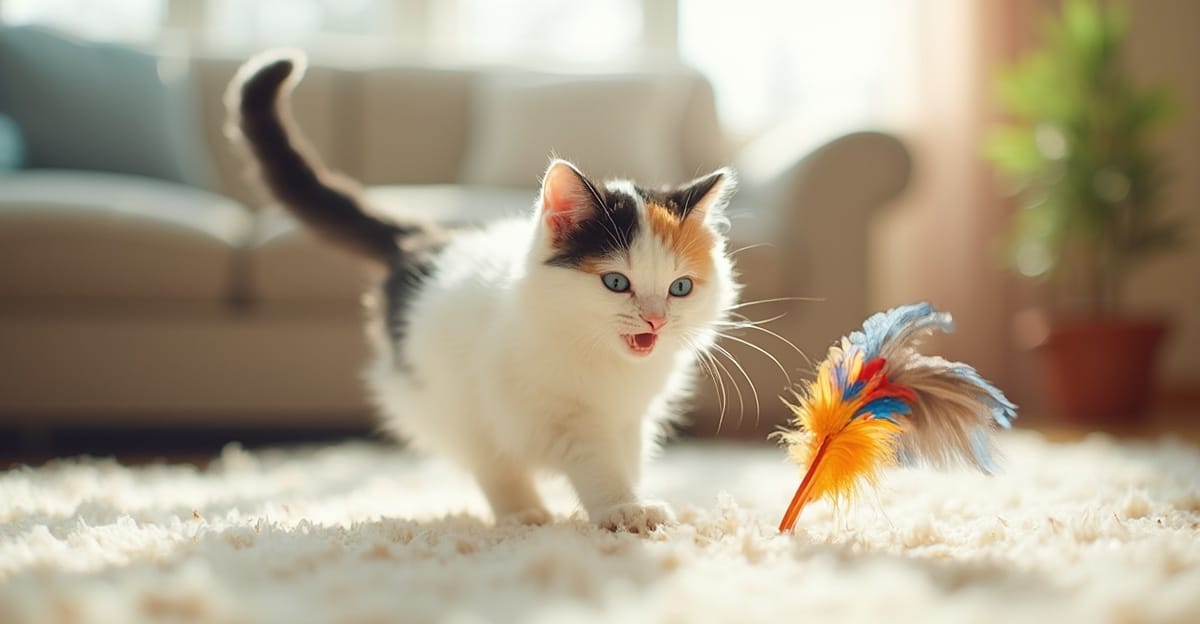
Japanese Bobtails exhibit a fascinating blend of traits that make them uniquely suited for training success. Their playful, intelligent, and curious nature creates an ideal foundation for learning new behaviors and commands. These cats approach the world with genuine enthusiasm, investigating their surroundings with the kind of focused attention that trainers dream of harnessing.
The Intelligence Factor
The breed’s remarkable intelligence manifests in their ability to solve problems, remember routines, and adapt to new situations quickly. Japanese Bobtails often demonstrate an understanding of cause and effect that exceeds many other cat breeds. They watch their owners’ behaviors intently, learning patterns and anticipating activities. This cognitive ability translates directly into training advantages, as they can grasp the connection between commands, actions, and rewards more readily than less intelligent breeds.
Energy as a Training Asset
The very high energy level characteristic of Japanese Bobtails might seem challenging, but it’s actually one of their greatest training assets. This abundant energy creates a natural drive for activity and engagement that can be channeled productively through structured training sessions. Rather than viewing their energy as hyperactivity to be managed, successful trainers learn to harness it as motivation for learning. These cats genuinely enjoy mental and physical challenges, making training sessions feel like exciting games rather than work.
Affection and Social Bonds
Japanese Bobtails are exceptionally affectionate cats who form strong bonds with their human families. This deep attachment creates a powerful training advantage, as they’re naturally motivated to please their owners and maintain positive interactions. Their moderately vocal nature means they often ‘talk’ during training sessions, providing feedback and engagement that makes the process more interactive and enjoyable for both cat and trainer.
How to Start Training a Japanese Bobtail
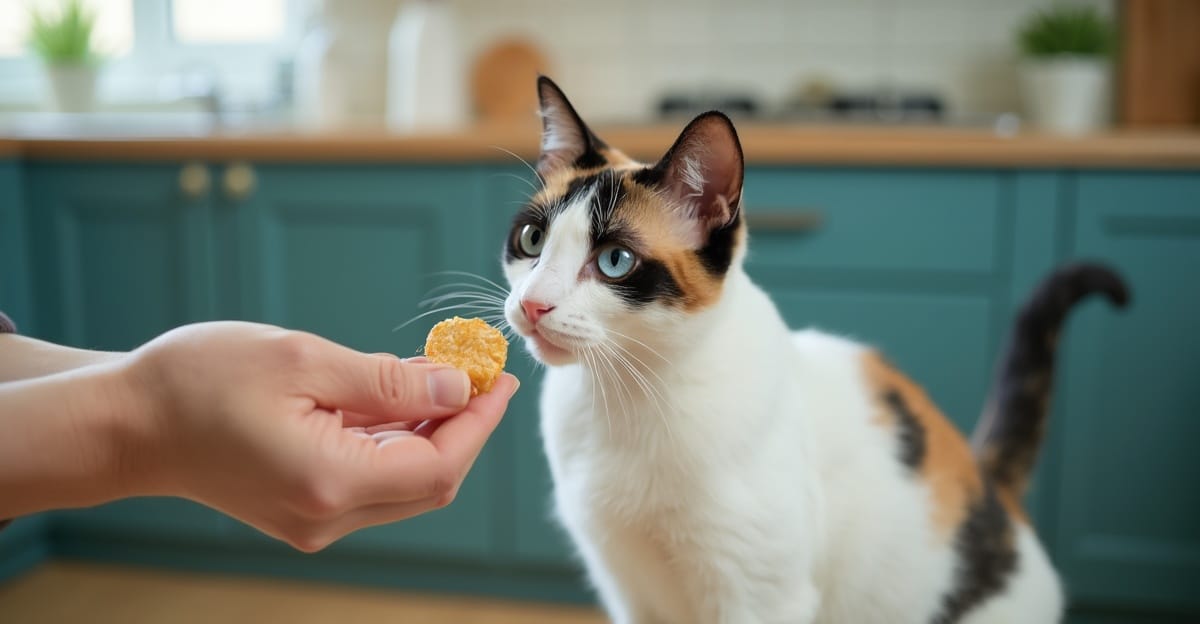
Beginning japanese bobtail training requires understanding that these cats respond best to positive reinforcement techniques combined with their natural love of interaction. The key lies in making training sessions feel like engaging play rather than formal instruction, capitalizing on their intelligence and energy while respecting their attention spans.
Establishing the Foundation
Start training as early as possible, ideally during kittenhood when their minds are most receptive to new experiences. Even adult Japanese Bobtails can learn quickly, but early training establishes better habits and takes advantage of their natural curiosity. Begin with simple commands like ‘sit’ and ‘come,’ using their name consistently to build recognition. The goal is creating positive associations with training from the very beginning.
Clicker training proves particularly effective with Japanese Bobtails because it provides immediate, clear feedback that their intelligent minds can process quickly. Choose high-value treats that your cat finds irresistible – small pieces of cooked chicken, freeze-dried meat, or special training treats work well. The key is using treats reserved exclusively for training to maintain their motivational value.
Session Structure and Timing
Keep individual training sessions short, typically 3-5 minutes, but conduct them multiple times throughout the day. Japanese Bobtails have moderate attention spans for focused work, but their high energy means they can handle frequent, brief sessions better than long, intensive ones. Schedule sessions when your cat is alert but not overstimulated – often before meal times when they’re naturally motivated by food rewards.
Focus on one command or behavior per session initially, gradually building complexity as your cat masters each element. End every session on a positive note, even if it means returning to a command your cat already knows well. This ensures they always associate training with success and enjoyment.
What Makes Japanese Bobtails Highly Trainable?
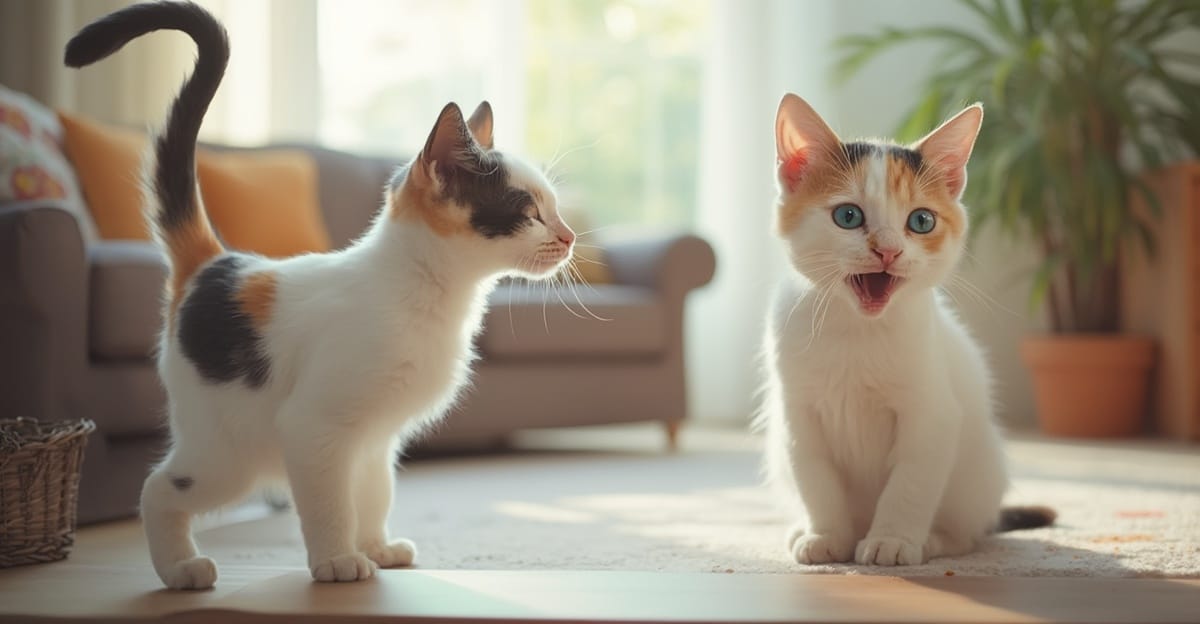
The exceptional trainability of Japanese Bobtails stems from a unique combination of breed characteristics that create ideal learning conditions. Understanding these traits helps owners maximize their training potential while avoiding common pitfalls that can derail progress with other cat breeds.
Intelligence and Problem-Solving Abilities
Japanese Bobtails possess remarkable intelligence that manifests in their ability to understand complex cause-and-effect relationships. They quickly grasp that specific actions lead to desired outcomes, making them exceptionally responsive to positive reinforcement and consistent training methods. This intelligence also means they can learn from observation, often picking up behaviors simply by watching their owners or other pets.
Their problem-solving abilities extend beyond simple command learning. Japanese Bobtails can figure out how to open doors, manipulate puzzle feeders, and even learn multi-step tricks that would challenge less intelligent breeds. This cognitive flexibility makes advanced training not just possible but genuinely enjoyable for both cat and owner.
Emotional Stability and Adaptability
The breed’s generally well-adjusted temperament with rare behavioral issues creates a stable foundation for learning. Unlike cats prone to anxiety or aggression, Japanese Bobtails approach new experiences with confidence and curiosity. This emotional stability means training sessions remain productive even when introducing challenging new concepts or environments.
Their adaptability allows them to generalize learned behaviors across different situations. A Japanese Bobtail who learns to ‘sit’ in the living room will readily perform the command in the kitchen, outdoors, or in unfamiliar locations. This flexibility makes their training more practical and useful in daily life.
Motivation and Engagement
The very high energy characteristic of Japanese Bobtails creates natural motivation for activity and engagement. They view training as an exciting form of interactive play rather than a chore to be endured. This intrinsic motivation means they often initiate training sessions themselves, approaching their owners with expectant behavior when they’re ready to learn or practice.
Their affectionate nature amplifies this motivation, as they genuinely enjoy the focused attention and interaction that training provides. The combination of mental stimulation, physical activity, and social bonding makes training sessions highly rewarding experiences that Japanese Bobtails actively seek out.
Can Japanese Bobtails Learn Tricks Easily?

Japanese Bobtails excel at learning tricks due to their exceptional intelligence, high energy levels, and genuine enthusiasm for interactive challenges. Their capacity for trick learning extends far beyond basic commands, encompassing complex behaviors that showcase their remarkable cognitive abilities and eagerness to engage with their human companions.
Types of Tricks and Advanced Behaviors
These intelligent cats can master an impressive array of tricks, from simple high-fives and waves to complex sequences like fetching specific objects or navigating obstacle courses. Their natural athleticism, combined with their trainability, makes them excellent candidates for agility training. Many Japanese Bobtails can learn to jump through hoops, weave between poles, and even walk on leashes for outdoor adventures.
Interactive play becomes a powerful tool for trick training, as these cats naturally enjoy games that challenge both their minds and bodies. Teaching them to ‘shake hands,’ ‘roll over,’ or ‘play dead’ often progresses quickly because they view these activities as entertaining games rather than formal training exercises.
Mental Enrichment Through Trick Learning
Trick training provides essential mental stimulation that helps manage their very high energy levels constructively. Japanese Bobtails who learn regular tricks tend to exhibit fewer behavioral issues related to boredom or excess energy. The mental challenge of mastering new behaviors satisfies their need for intellectual engagement while strengthening the bond between cat and owner.
Complex trick sequences can provide substantial enrichment, keeping these intelligent cats mentally satisfied and reducing their potential for moderate chewing or destructive behaviors. Teaching them to respond to hand signals, verbal cues, and even simple sequences of actions creates ongoing mental challenges that prevent boredom.
Building Confidence and Strengthening Bonds
Successful trick learning builds confidence in Japanese Bobtails, encouraging them to approach new challenges with enthusiasm. Each mastered trick becomes a foundation for more complex behaviors, creating a positive learning spiral that enhances their overall trainability. The process also deepens the emotional connection between cat and owner, as these affectionate cats thrive on the focused attention and positive interaction that trick training provides.
How to Leash Train Your Japanese Bobtail
- Step 1: Introduce the harness gradually. Let your Japanese Bobtail sniff and explore the harness, rewarding curiosity with treats. Place it near their food bowl for a few days.
- Step 2: Acclimate to wearing the harness. Put the harness on for very short periods (a few minutes) indoors, immediately distracting them with play or treats. Increase duration slowly.
- Step 3: Attach the leash indoors. Once comfortable with the harness, attach a lightweight leash and let them drag it around under supervision. Never leave them unattended with the leash.
- Step 4: Practice walking indoors. Gently guide your Japanese Bobtail with the leash, using treats to encourage forward movement. Keep sessions brief and positive, ending before they get frustrated.
- Step 5: Transition to outdoor walks. Start with short excursions in a quiet, safe outdoor area. Allow your Bobtail to explore at their own pace, rewarding calm behavior and curiosity. Always supervise closely.
Frequently Asked Questions
Are Japanese Bobtails easy to train?
Yes, Japanese Bobtails are considered highly trainable. Their intelligence, very high energy, and affectionate nature make them receptive to learning. They respond exceptionally well to positive reinforcement and consistent training, often picking up new commands and tricks quickly. Their generally well-adjusted temperament also contributes to their ease of training.
How long does it take to train a Japanese Bobtail?
The duration of training varies depending on the specific command or trick and the individual cat. However, due to their high trainability, Japanese Bobtails often learn basic commands within a few weeks of consistent, short daily sessions. Advanced tricks might take longer, but their eagerness to engage means progress can be relatively swift compared to less trainable breeds.
What are common Japanese Bobtail behavior problems?
Japanese Bobtails are known for having rare behavioral issues and are generally well-adjusted. Any problems typically stem from a lack of mental and physical stimulation, leading to boredom or destructive chewing. They can also be moderately vocal, which some owners might perceive as a ‘problem’ if not understood as part of their communication style. Consistent training and enrichment prevent most issues.
Can Japanese Bobtails learn tricks?
Absolutely! Japanese Bobtails excel at learning tricks due to their intelligence and very high energy. They enjoy the mental stimulation and interaction that trick training provides. Owners can teach them a variety of tricks, from ‘sit’ and ‘stay’ to ‘fetch’ and even walking on a leash. Positive reinforcement and making it fun are key to their success.
Japanese bobtail training success stems from understanding and working with their unique combination of intelligence, energy, and affection. These remarkable cats approach learning with enthusiasm and curiosity, making them ideal candidates for everything from basic commands to complex tricks and behaviors. Their highly trainable nature, combined with rare behavioral issues and strong responsiveness to positive reinforcement techniques, creates opportunities for deep bonding and impressive achievements that many cat owners never thought possible.
The key to successful training lies in respecting their need for short, frequent, engaging sessions that feel like interactive play rather than formal instruction. By channeling their very high energy into structured learning experiences and capitalizing on their affectionate desire for human interaction, owners can develop well-trained companions who genuinely enjoy the learning process. Whether teaching basic manners, advanced tricks, or specialized behaviors like leash walking, Japanese Bobtails consistently demonstrate why they’re considered among the most trainable cat breeds.
Conclusion
Remember that consistency, patience, and positive reinforcement form the foundation of all successful japanese bobtail training efforts. These intelligent cats will reward your investment in their education with years of impressive behaviors, strong bonds, and the satisfaction of having a truly well-trained feline companion. See how the Japanese Bobtail’s trainability stacks up against similar breeds using our Pet Comparison Tool — compare behavior, intelligence, and care needs side by side.
Sources & References
⚠️ This article is for informational purposes only and does not replace professional veterinary advice. Always consult a qualified vet for your pet’s health needs.