

Training Your Manx: A Comprehensive Guide
Picture a cat with no tail, boundless personality, and an intelligence that surprises even seasoned cat owners. The Manx cat, originating from the Isle of Man, brings unique challenges and rewards to the world of feline training. These medium-sized companions possess a fascinating blend of independence and affection that makes manx training both achievable and deeply satisfying. Unlike their canine counterparts, Manx cats require specialized approaches that respect their natural instincts while channeling their moderate energy into productive learning experiences. Their reputation for stubbornness often masks a sharp intellect eager to engage with patient, consistent owners who understand the nuances of feline psychology and behavior modification.
Table of Contents
Key Takeaways
- Manx cats are moderately trainable and respond best to consistent positive reinforcement due to their independent nature.
- Early socialization is crucial for Manx cats to prevent potential stubbornness or occasional aggression.
- Clicker training with high-value treats in short, frequent sessions is the most effective method for Manx cats.
- Manx cats are generally easy to litter train and can learn various tricks, providing mental and physical enrichment.
Quick Facts
| Size Category | Medium |
| Origin | Isle of Man |
| Hypoallergenic | no |
| Energy Level | moderate energy |
| Trainability | moderately trainable |
| Behavioral Problems | common issues include stubbornness and occasional aggression if not properly socialized |
| Training Response | responds well to positive reinforcement but may require patience due to independent nature |
| Litter Training | generally easy to litter train, as they instinctively use a litter box |
Understanding Manx Behavior
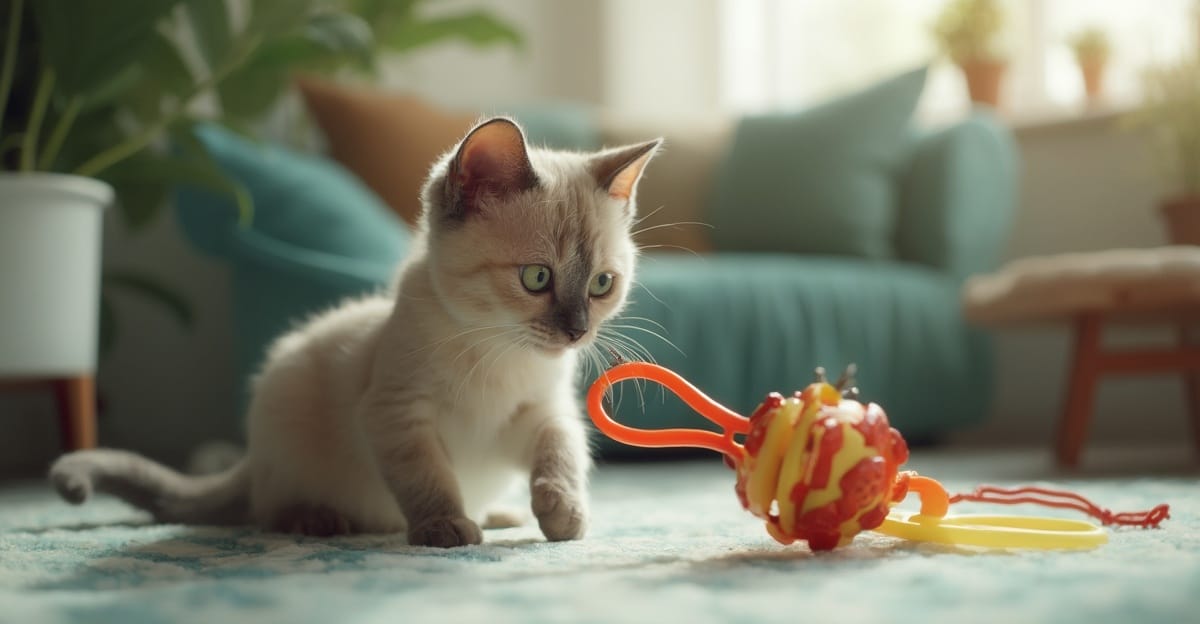
The Manx cat’s behavioral profile creates a unique training landscape that differs significantly from other feline breeds. Their moderate energy level strikes a perfect balance between the hyperactive tendencies of some breeds and the sedentary nature of others. This energy sweet spot means your Manx requires regular interactive play sessions to prevent boredom-induced destructive behaviors, but won’t overwhelm you with constant demands for attention. Their intelligence shines through in problem-solving situations, often surprising owners with their ability to open doors, manipulate toys, or figure out feeding puzzles.
The Independent Yet Affectionate Nature
What makes manx training particularly interesting is their contradictory personality traits. These cats display remarkable affection toward their human families, often following owners from room to room and seeking physical contact. However, this affectionate nature coexists with a strong independent streak that can manifest as selective hearing during training sessions. Understanding this duality helps owners approach training with realistic expectations and appropriate techniques that honor both sides of their personality.
Intelligence and Curiosity as Training Assets
The Manx’s natural curiosity serves as a powerful training motivator when properly channeled. Their intelligence allows them to quickly understand cause-and-effect relationships, making them excellent candidates for clicker training and positive reinforcement techniques. However, this same intelligence can work against owners who lack consistency, as Manx cats quickly learn to exploit loopholes in training routines or inconsistent rule enforcement.
Energy Management for Optimal Learning
Managing your Manx’s moderate energy through structured interactive play sessions creates the ideal mental state for learning. A tired Manx is often a more focused Manx, making pre-training play sessions an effective strategy for improving attention span and reducing restlessness during training exercises. This approach helps transform their natural energy into productive learning opportunities rather than destructive outlets.
How to Train a Stubborn Manx
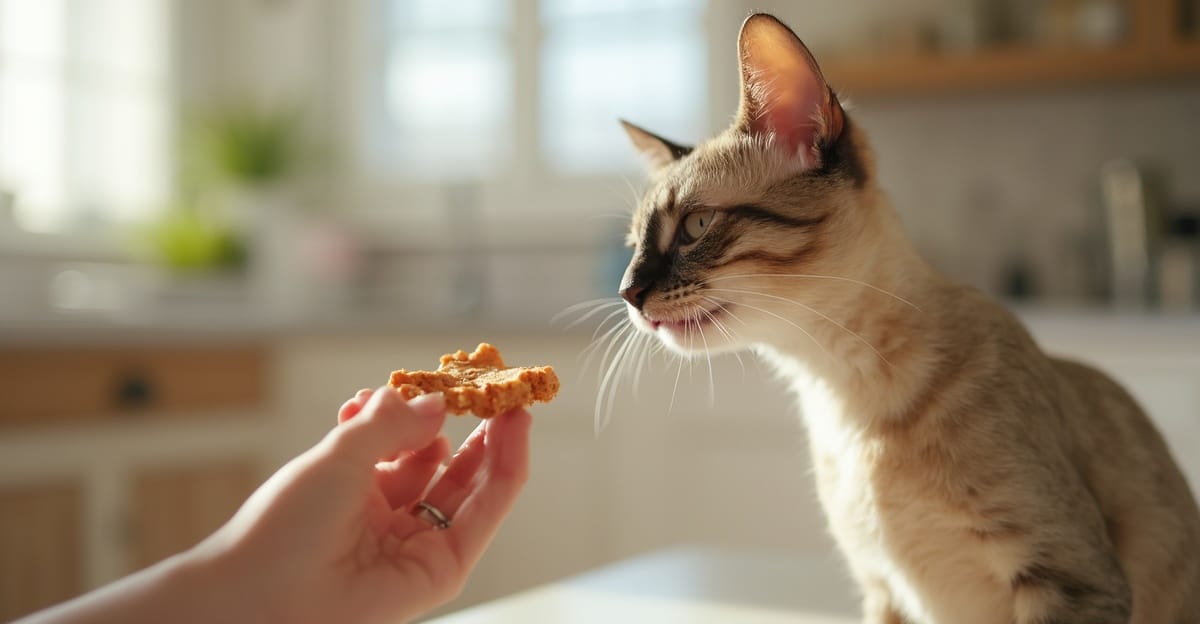
Addressing the perceived stubbornness in Manx cats requires understanding that what appears as defiance often stems from their independent nature and selective attention. These cats don’t respond well to forceful approaches or repetitive, boring training methods. Instead, successful manx training relies on making the learning process engaging, rewarding, and respectful of their autonomous personality. The key lies in presenting training as a collaborative activity rather than a dominance exercise.
Breaking Down Complex Behaviors
Stubborn Manx cats respond exceptionally well when complex behaviors are broken into small, achievable steps with immediate rewards. Rather than expecting your cat to master an entire sequence at once, focus on rewarding each component behavior as it occurs naturally. For instance, when teaching your Manx to come when called, start by rewarding them simply for looking at you when you say their name, then gradually build up to movement toward you, and finally the complete recall behavior.
Leveraging Natural Instincts
The Manx’s moderate energy and natural prey drive provide excellent training opportunities when incorporated thoughtfully into sessions. Using feather wands, laser pointers, or interactive toys during training helps maintain engagement while teaching desired behaviors. This approach transforms training from a chore into an exciting game that aligns with their instinctual behaviors, making cooperation more likely and sustainable over time.
Consistency in Communication
Manx cats excel at reading human behavior and quickly learn to distinguish between serious training time and casual interaction. Maintaining consistent commands, body language, and expectations prevents confusion and reduces apparent stubbornness. When every family member uses the same verbal cues and rewards system, your Manx learns faster and displays less resistance to training exercises.
What Are Effective Manx Training Techniques?
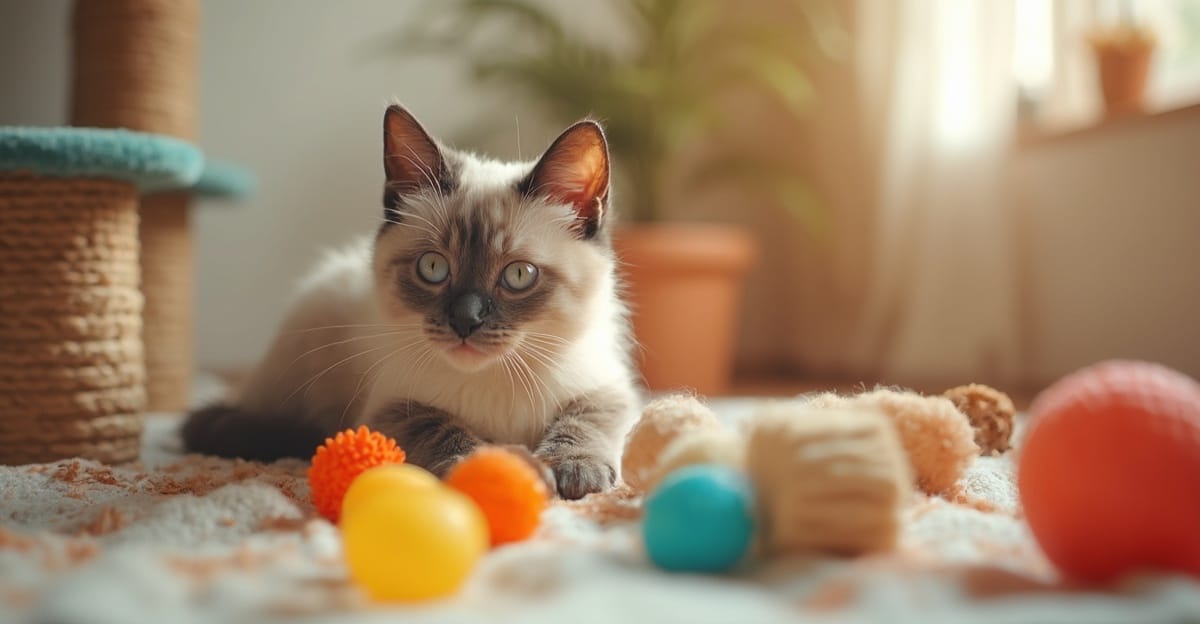
Positive reinforcement stands as the cornerstone of effective manx training, building trust while encouraging desired behaviors through reward-based learning. This approach works particularly well with Manx cats because it respects their independent nature while providing clear motivation for cooperation. The key lies in identifying what motivates your individual cat, whether that’s food treats, praise, petting, or play opportunities, then using those motivators strategically during training sessions.
The Power of Positive Reinforcement
Successful positive reinforcement techniques for Manx cats involve timing, consistency, and high-value rewards. The moment your cat displays the desired behavior, immediate reinforcement through treats, praise, or petting creates a strong association between the action and the reward. Food-motivated Manx cats respond well to small, frequent treats, while attention-seeking individuals might prefer verbal praise and physical affection as their primary motivators.
Early Socialization Strategies
Implementing comprehensive socialization during the kitten phase prevents many behavioral issues that make training stubborn cats more challenging later. Exposing young Manx cats to various people, sounds, textures, and experiences creates confident, adaptable adults who approach new learning situations with curiosity rather than fear or aggression. This early investment pays dividends throughout their 14-16 year lifespan by creating a foundation of trust and openness to new experiences.
Redirection Over Correction
When addressing unwanted behaviors, redirection proves far more effective than correction with Manx cats. If your cat scratches furniture, providing appropriate scratching surfaces and rewarding their use creates lasting behavior change. Similarly, redirecting climbing behavior toward cat trees or designated climbing areas satisfies their natural instincts while protecting your belongings. This approach works with their nature rather than against it, resulting in faster, more permanent behavioral modifications.
Can Manx Cats Learn Tricks?
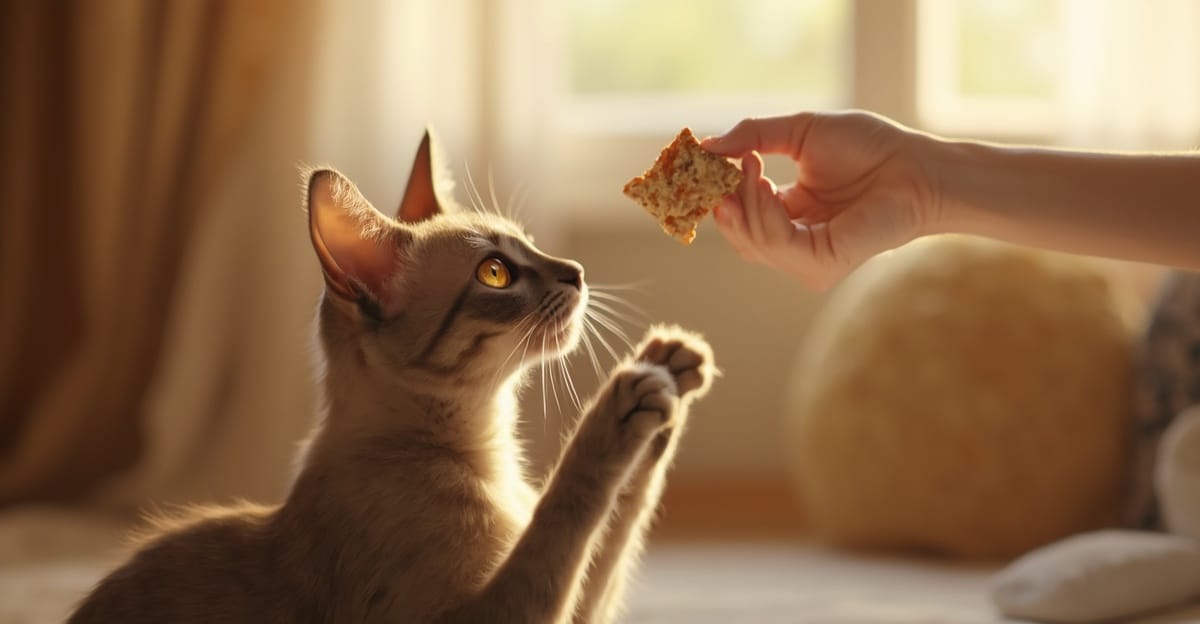
The intelligence and moderate energy of Manx cats make them excellent candidates for trick training, often surprising owners with their capacity for learning complex behaviors. Their natural curiosity and desire for mental stimulation create ideal conditions for trick training when approached with patience and appropriate techniques. Many Manx cats genuinely enjoy the mental challenge and one-on-one attention that trick training provides, making it an excellent bonding activity.
Starting with Foundation Tricks
Beginning trick training with simple behaviors like ‘sit,’ ‘stay,’ or ‘come’ establishes a foundation for more complex tricks while building your cat’s confidence in the learning process. These basic commands also serve practical purposes in daily life, making them doubly valuable investments of training time. The key lies in making each trick feel natural and rewarding rather than forced or stressful.
Advanced Trick Possibilities
Once your Manx masters basic commands, their intelligence opens doors to more impressive tricks like ‘high-five,’ ‘roll over,’ or even fetch games. Some Manx cats show particular aptitude for puzzle-solving tricks or behaviors that involve manipulating objects with their paws. The moderate attention span of most Manx cats means keeping sessions short and engaging prevents frustration while maximizing learning potential.
Mental Stimulation Benefits
Trick training provides crucial mental stimulation that helps prevent behavioral problems while strengthening the human-cat bond. Regular training sessions give your Manx a job to do, satisfying their need for mental engagement and reducing the likelihood of destructive behaviors born from boredom. The interactive nature of trick training also reinforces the positive aspects of their affectionate personality while channeling their independence into cooperative activities.
Frequently Asked Questions
Are Manx cats easy to train?
Manx cats are moderately trainable. While they possess intelligence and can learn quickly, their independent nature means training requires patience and consistent positive reinforcement. They respond well to engaging methods, especially those involving treats and interactive play, but owners should manage expectations and understand that cats are not dogs in their training approach.
How long does it take to train a Manx?
The time it takes to train a Manx varies greatly depending on the individual cat, the specific behavior, and the consistency of the training. Simple commands or litter training might take a few days to a week, while more complex tricks or addressing ingrained behavioral issues could take several weeks or even months of dedicated, short daily sessions.
What are common Manx behavior problems?
Common Manx behavior problems can include stubbornness, particularly if not properly motivated or if training is inconsistent. Without adequate mental and physical stimulation, they might also exhibit destructive behaviors like excessive scratching. Some Manx, if not well-socialized as kittens, might display occasional aggression or shyness towards strangers or other pets.
Can Manx cats be trained to do tricks?
Yes, Manx cats can absolutely be trained to do tricks! Their intelligence and moderate energy make them excellent candidates. With positive reinforcement, clicker training, and high-value treats, Manx cats can learn a variety of tricks such as ‘sit,’ ‘stay,’ ‘come,’ ‘high-five,’ and even fetch. Keep sessions short, fun, and engaging to maximize their learning potential.
How to Clicker Train Your Manx to Sit
Step 1: Gather high-value treats (e.g., small pieces of cooked chicken or tuna), a clicker, and find a quiet space free of distractions for your Manx.
Step 2: Hold a treat near your Manx’s nose, slowly moving it upwards and slightly back over their head. As their nose follows, their rear end will naturally lower into a sit. The instant their bottom touches the ground, click and give the treat.
Step 3: Repeat this motion several times. Once your Manx consistently sits when the treat is moved, start saying ‘Sit’ just as their bottom begins to lower, then click and treat.
Step 4: Practice in short, frequent sessions (3-5 minutes, 3-4 times a day) to prevent your Manx from becoming bored or overstimulated. End each session on a positive note.
Step 5: Gradually fade the treat lure. Start by making the hand motion smaller, eventually just using the verbal cue ‘Sit’. Continue to click and treat for successful sits, even if the treat isn’t used as a lure.
Conclusion
Successfully training your Manx requires understanding their unique blend of intelligence, independence, and affection. These moderately trainable cats thrive when owners respect their autonomous nature while providing consistent, positive reinforcement techniques. The key to effective manx training lies in keeping sessions short, engaging, and rewarding while addressing their moderate energy needs through interactive play. Early socialization prevents many common behavioral issues, while positive reinforcement techniques build lasting bonds and desired behaviors. Remember that patience and consistency will unlock your Manx’s full potential, creating a well-trained companion who enriches your life for their entire 14-16 year lifespan. See how the Manx’s trainability stacks up against similar breeds using our Pet Comparison Tool — compare behavior, intelligence, and care needs side by side.
Sources & References
⚠️ This article is for informational purposes only and does not replace professional veterinary advice. Always consult a qualified vet for your pet’s health needs.