
How to Choose a Pet: 7 Proven Tips for Beginners
Table of Contents
Choosing a pet isn’t just about picking what looks cute — it’s about finding a companion that truly fits your lifestyle, time, and budget. For first-time owners, this decision can feel overwhelming, but making the right choice from the start can save you from stress, unexpected costs, and daily challenges.
The right pet will bring joy, companionship, and balance to your life. By understanding your needs and exploring your options carefully, you can choose a pet that matches your routine and builds a strong, lasting bond.
Key Takeaways
- Choosing the right pet is essential for a harmonious lifestyle.
- Evaluate your time and space before making a decision.
- Consider various pet types to find the best match for you.
- Understand the responsibilities associated with different pets.
- Take into account initial and ongoing costs of pet ownership.
- Use personality and energy level to find a compatible pet.
Understanding Your Lifestyle
Understanding your lifestyle is the foundation of choosing the right pet. Before making a decision, you need to evaluate how much time you can realistically dedicate and whether your living environment is suitable for a pet.

Every pet comes with different needs, and aligning those needs with your daily routine will help you build a smooth and stress-free relationship. Taking the time to assess your lifestyle now will prevent common mistakes and ensure a better match in the long run.
Assessing Your Time Commitment
Start by reviewing your daily routine and identifying how much time you can realistically dedicate to pet care. This includes essential tasks such as feeding, exercise, grooming, and general attention. Some pets require significantly more time and involvement than others.
Taking a moment to evaluate your availability will help you avoid choosing a pet that doesn’t fit your schedule. You can even use simple planning tools or trackers to better understand how pet care would fit into your daily life.
Evaluating Your Living Space
Your living space plays a major role in choosing the right pet. Before making a decision, consider whether your home can comfortably accommodate the type of pet you have in mind. Factors like space, access to outdoor areas, and housing rules can all influence your choice.
A larger, more active pet may need plenty of room to move around, while smaller or more independent animals can adapt well to limited spaces. Ensuring that your home is safe, suitable, and comfortable will help your pet thrive in its new environment.
How to Choose a Pet
Choosing a pet requires more than just personal preference — it’s about finding a balance between your lifestyle and the pet’s needs. Learning how to choose a pet is essential before making a long-term commitment. To make the right choice, you should consider key factors such as activity level, care requirements, and lifespan.
Different pets have different expectations. Active animals, like dogs, need regular exercise and attention, while more independent pets, such as cats or fish, may require less daily interaction. Understanding these differences will help you choose a pet that fits naturally into your routine and avoids future challenges.
To make a smart decision, it’s important to focus on a few key factors:
- Activity level: Different pets require different levels of exercise. If you enjoy an active lifestyle, a dog may be a great fit. If you prefer a quieter routine, a cat or small pet might be more suitable.
- Care requirements: Some pets need regular grooming, specific diets, or more attention. Understanding these needs in advance helps you avoid unexpected challenges.
- Lifespan: Pets can live anywhere from a few years to several decades. Make sure you’re ready for the long-term commitment that comes with pet ownership.
Choosing a pet that aligns with your daily habits and interests will strengthen your bond. For example, active individuals may enjoy the companionship of a dog, while more home-oriented people might prefer the independence of a cat.
By carefully evaluating these factors, you can choose a pet that fits naturally into your life and creates a more balanced, rewarding experience.
Find Your Perfect Pet Match
Still unsure which pet is right for you? Even after considering all these factors, making the final decision can feel overwhelming.
Instead of guessing, Find your perfect pet in seconds with our pet compatibility quiz to get personalized recommendations based on your lifestyle, space, and preferences.
Different Types of Pets
Before making a decision, it’s important to understand the different types of pets available. Each category comes with its own characteristics, care requirements, and level of interaction. Choosing the right type of pet will make it easier to find one that truly fits your lifestyle.
From active mammals to low-maintenance fish, every pet offers a unique experience. Taking the time to explore these options will help you make a more informed and confident decision.
Pet Comparison Overview
| Pet Type | Maintenance | Cost | Space Needed | Best For |
|---|---|---|---|---|
| Dogs | High | High | Large | Active people |
| Cats | Medium | Medium | Small–Medium | Busy owners |
| Fish | Low | Low | Small | Beginners |
| Birds | Medium | Medium | Small | Social owners |
| Small mammals | Low | Low | Small | Kids & beginners |
Mammals
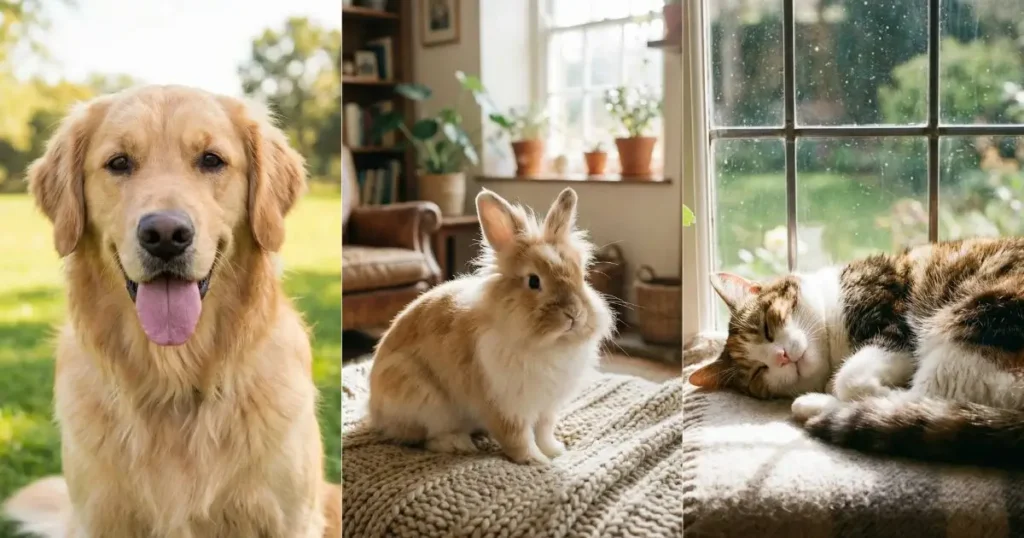
Mammals are among the most popular pets, mainly because of their strong bond with humans and their interactive nature. They often provide companionship, emotional connection, and daily engagement, making them a great choice for many households.
However, they also tend to require more time, care, and attention compared to other types of pets. Understanding their needs will help you decide if they truly fit your lifestyle. Here are some common ones:
- Dogs: They are known for their loyalty and affectionate nature, making them excellent companions. However, they require regular exercise, training, and consistent attention, which makes them better suited for active owners.
- Cats: Cats are more independent than dogs but still enjoy companionship. They adapt easily to different environments and are a great option for people with a busy lifestyle or limited space.
- Small Animals: Small pets like rabbits, guinea pigs, and hamsters are beginner-friendly and relatively easy to care for. They require less space and can be a good choice for first-time pet owners or families with children.
Fish
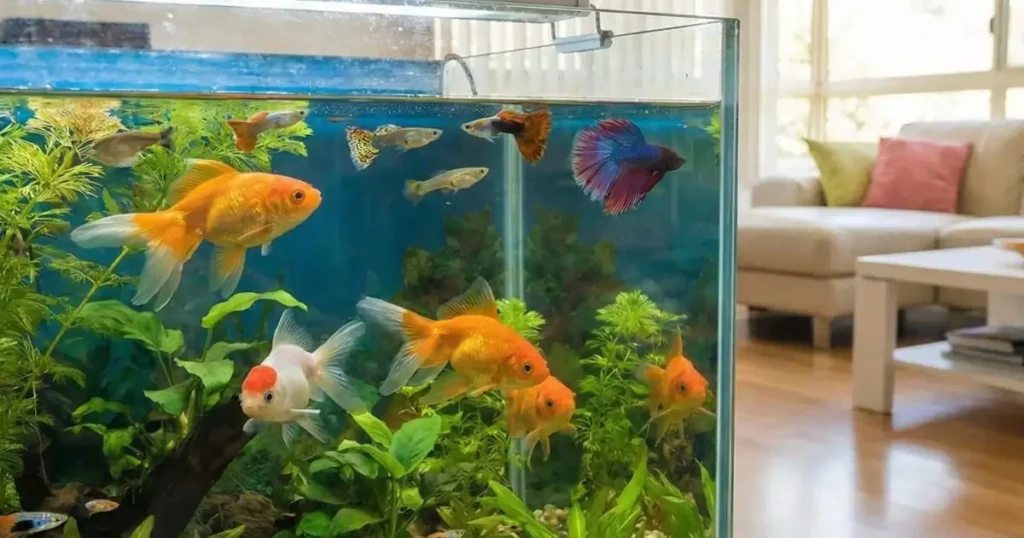
Fish are often considered one of the easiest pets to care for, making them a great option for beginners. They bring a sense of calm and beauty to your home without requiring constant interaction.
However, keeping fish healthy still requires the right setup and consistent care. To ensure a stable and safe environment, there are a few key elements you need to understand:
- Tank Size: Choosing the right tank size is crucial. Larger tanks are generally easier to maintain because they provide more stable water conditions and better space for fish to thrive.
- Maintenance: Regular cleaning and monitoring of water quality are key to keeping fish healthy. This includes checking temperature, filtration, and water parameters.
- Popular Species: For beginners, species like goldfish, bettas, and guppies are often recommended because they are relatively hardy and easier to manage.
Reptiles and Amphibians

Reptiles and amphibians can be fascinating pets, especially for those looking for something different. They are generally less interactive than mammals but can still be rewarding to care for if you understand their specific needs.
These pets require a carefully controlled environment, including the right temperature, humidity, and habitat setup. Before choosing one, it’s important to be comfortable with their unique care requirements. Here are some common options to consider:
- Turtles: Turtles need both water and a dry area where they can bask. With the right care and environment, they can live for many years, making them a long-term commitment.
- Snakes: Snakes have very specific habitat requirements, including proper heating and humidity levels. While they don’t need daily interaction, they do require consistent monitoring and proper handling.
- Frogs: Frogs thrive in moist environments and need a well-designed terrarium to stay healthy. Their care is relatively simple once the right conditions are established.
Birds

Birds are intelligent and social pets that can form strong bonds with their owners. They are playful, engaging, and can bring a lot of energy into your home. However, they also require attention, interaction, and mental stimulation to stay happy.
Before choosing a bird, it’s important to understand their environment, diet, and social needs. Here are the key aspects to consider:
- Socialization: Many birds, such as parakeets or cockatiels, need regular interaction to stay healthy and avoid boredom. Spending time with them daily is essential for their well-being.
- Space and Environment: Birds needBirds need enough space to move, stretch their wings, and explore. A well-designed cage and a stimulating environment will help keep them active and comfortable.
- Diet: A balanced diet is crucial for a bird’s health. This typically includes seeds, fresh fruits, and vegetables to provide proper nutrition.
Best Pets for Beginners
If you’re getting your first pet, choosing one that is easy to care for can make the experience much more enjoyable. Beginner-friendly pets typically require less maintenance while still providing companionship and interaction.
Starting with the right pet will help you build confidence and avoid feeling overwhelmed. Here are some great options for first-time owners:
Low Maintenance Pets
Some pets are naturally easier to care for and don’t require a lot of time or complex routines. These are ideal if you’re new to pet ownership or have a busy schedule.
- Hamsters: These small rodents are easy to care for and can live happily in a small cage.
- Guinea Pigs: They enjoy social interaction but require little more than fresh food and water daily.
- Leopard Geckos: This reptile is hardy and requires minimal setup, making it great for beginners.
- Betta Fish: With simple water quality needs, these fish are beautiful and easy to manage.
Easy to Care For Creatures
Choosing pets that are easy to care for helps you avoid feeling overwhelmed. These pets can add joy to your home with their charming personalities.
Some pets are especially well-suited for beginners because they are easy to care for and require minimal effort. Here are a few popular options:
- Brazilian Tortoise: A low maintenance pet that requires a simple diet and a consistent temperature.
- Cockatiels: These birds are friendly and do well with minimal training and socialization.
- Goldfish: A classic choice that thrives in well-maintained tanks; they require less effort than some bigger pets.
By choosing the best pets for beginners, you can find a perfect match for your lifestyle. Low maintenance pets let you enjoy their company without stress. As you gain experience, you can consider more demanding pets.
Best Pets for Kids
Choosing the right pet for your kids can be very rewarding. It’s important to pick a pet that matches your child’s age and maturity. The best pets for kids are safe and fun, making them perfect for kids of all ages.
Age-Appropriate Pets
There are pets for every age group. The right pet can make your child’s life better. Here are some good choices:
- For toddlers, small pets like hamsters or fish are great. They’re easy to care for and not too big.
- Children aged 5 to 10 can care for pets like guinea pigs or rabbits, as they are relatively easy to look after and enjoyable to observe.
- When kids turn 10 or older, dogs or cats are good pets. They offer more fun and interaction.
Activities and Responsibility
Helping with pet care is very important for kids. It teaches them important life skills. Kids can help with pet care, making them feel proud and responsible. Here are some ways they can help:
- Feeding the pet every day.
- Helping with grooming tasks.
- Walking a dog or cleaning the pet’s home.
These tasks teach kids to be kind and organized. They help kids grow up to love and respect animals. This can make them well-rounded and caring individuals.
Best Pets for Apartments
Living in an apartment can be tough for pet owners. It’s key to pick pets that fit your space and lifestyle. Things like the size of your home and noise levels are important.
Space Considerations
Think about pets that do well in small spaces. Here are some good choices:
- Cats: They like being alone and fit well in small areas.
- Small dog breeds: Dogs like French Bulldogs and Pugs get used to small spaces fast.
- Fish: They’re pretty and don’t take up much room.
- Rabbits: They’re small and can learn to use a litter box for apartment living.
Choosing pets that fit well in small spaces helps everyone stay happy and comfortable.
Noise Level and Behavior
It’s important to know about pet noise levels in apartments. Some pets are quiet, while others can be loud. Here’s what to consider:
- Breed tendencies: Look into dog breeds that bark a lot to find quieter ones.
- Fish and small animals: They usually make little to no noise, keeping your home quiet.
- Cats: They’re usually quiet but might meow when they’re hungry or want to play.
Looking at noise levels also means thinking about how a pet’s behavior affects your living space. It helps make sure you and your neighbors get along.
Evaluating Pet Costs
Understanding the costs of owning a pet is essential for anyone considering adoption. Expenses include initial fees, ongoing care, and potential emergency treatments. Each of these factors contributes to the total cost of pet ownership. To better understand what proper pet care involves, you can explore trusted resources like the ASPCA pet care guide.
Initial Purchase or Adoption Fees
First, you need to decide if you want to buy or adopt a pet. Adoption fees range from $50 to $200. This usually includes the first vaccinations, spaying or neutering, and a health check. Buying from a breeder can be much more expensive, sometimes over $1,000, for purebreds or exotic pets.
Ongoing Expenses
After bringing your pet home, you’ll face ongoing costs. These include:
- Food: Quality pet food can cost $20 to $100 a month, based on your pet’s size and needs.
- Grooming: Some breeds need regular grooming, which can cost $30 to $100 a month.
- Routine vet visits: Annual check-ups can cost $200 or more. Vaccinations and preventative care are also important.
- Supplies: Items like toys, bedding, and litter add to your monthly expenses.
It’s important to plan for these ongoing costs to stay within your budget.
Emergency Care and Supplies
It’s also crucial to prepare for unexpected situations. Emergency care can be very expensive, with bills possibly in the hundreds or thousands. It’s wise to save money for emergencies or consider pet insurance. Also, having essential supplies, like first aid kits and medications, is important for your pet’s health when emergencies happen.
How to Choose the Right Pet for Your Lifestyle
Finding a pet that fits your lifestyle is key for a happy relationship. Think about your personality and the energy of different pets. This ensures a good match.
Personality Matching
Your personality is important in choosing a pet. Some pets are social and love people, while others like to be alone. To find the right pet:
- Know your activity level. Are you active or like staying home?
- Think about your tolerance for noise and mess. Do you like a busy place or a quiet one?
- Consider how much time you can give to a pet. Do you want one that needs lots of attention or something easier?
Energy Levels and Compatibility
It’s important to match your energy with your pet’s. High-energy pets need lots of exercise. Low-energy pets, like Guinea pigs, prefer a calm life. To check if pets fit:
- Look at your daily routine. How much time can you spend on activities and play?
- Choose pets that match your energy to avoid boredom or frustration.
- See how pets react to different activities when you meet them.
By matching personalities and energy levels, you can pick a pet that fits your life perfectly.
Pet Ownership Beginner Guide
Congratulations on bringing a new pet into your life! The journey of pet ownership is exciting but needs some key steps. These steps help both you and your pet adjust smoothly. Focus on two main areas: first steps after bringing pet home and setting up your pet space.
First Steps After Bringing Your Pet Home
When you get home with your new pet, make the transition easy. Here are some important things to do:
- Pet-proof your home by removing any hazardous items or ensuring they are out of reach.
- Designate a quiet area where your pet can acclimate without interruption.
- Establish a veterinary visit to ensure your pet’s health and vaccinations are on track.
- Introduce your new pet to family members one at a time to help prevent overwhelming them.
Setting Up Your Pet’s Space
Creating a dedicated space for your pet is key for their comfort and safety. When setting up your pet space, consider these points:
- Choose a cozy bed or crate that fits the size of your pet for a secure resting area.
- Ensure easy access to food and water bowls, placing them in a quiet area away from foot traffic.
- Add toys and enrichment activities to keep your pet engaged and stimulated.
- Incorporate safety measures like baby gates or secure zones if you have other pets or small children.
Caring for a pet is a big responsibility. With these steps and careful planning of your pet space, you’re setting the stage for a happy and healthy bond with your new pet.
Using a Pet Compatibility Quiz
Choosing the right pet can be tough, even for first-timers. A pet compatibility quiz can make it easier. These quizzes look at your lifestyle and what you want in a pet. They give you pet suggestions that fit your life perfectly.
Finding Your Ideal Match
Many online quizzes help find the perfect pet for you. They ask about your daily life, how active you are, and your home. By answering these, you get pet suggestions that match your lifestyle.
- Think about how much time you have for pet care.
- Check if your home has enough space and is pet-friendly.
- Consider how your activities might affect your pet choice.
Understanding the Results
After taking a pet quiz, it’s important to understand the results. The quiz will show pets that fit your lifestyle. Look for details on their energy, grooming, and personality.
This helps you see why certain pets were suggested. It prepares you for adopting or buying a pet that meets your needs.
Common Myths About Pet Ownership
Thinking about getting a pet? You might hear things that aren’t true. Knowing the facts can help you get ready for pet care. Here are some key areas to clear up misconceptions for a great pet experience.
Debunking Misconceptions
Some people think pets need little attention. But, pets like dogs, cats, and small animals need regular time and care. Also, not all breeds are hypoallergenic. Allergies can come from dander, saliva, and urine, affecting even breeds thought to be safe for allergies.
It’s important to know these myths to set the right expectations.
Understanding Responsibilities
Having a pet means more than just feeding and walking them. You’ll need to take them to the vet, groom them, and socialize them. This is a big commitment that requires learning about your pet’s needs.
Knowing these responsibilities helps you and your pet have a great relationship.
Conclusion
Thinking about getting a pet? It’s an important decision that requires careful consideration. You need to evaluate your lifestyle, living space, and budget before making the right choice. While pet ownership brings joy and companionship, it also comes with real responsibilities.
By taking the time to understand your needs and exploring different options, you can choose a pet that truly fits your daily life and creates a strong, lasting bond.
Now that you understand how to choose a pet, you can make a confident and informed decision.
Still unsure which pet is right for you? Instead of guessing, you can use a smart pet compatibility quiz to get personalized recommendations based on your lifestyle and preferences.
Find your perfect match and start your journey with confidence.
FAQ
How do I decide what pet should I get?
If you’re unsure how to choose a pet, start by thinking about your lifestyle, available time, and living space. Consider your daily routine, family situation, and how much attention you can realistically give to a pet. You can also try a pet compatibility quiz to find the best match for you.
What are the best pets for beginners?
For beginners, fish, hamsters, or leopard geckos are great. They need less care and are easy to handle. They’re perfect for those new to pet ownership.
Are there low maintenance pets recommended for apartment living?
Yes, cats and small dogs like French Bulldogs are great for apartments. They need less space and exercise than bigger dogs.
How do I choose a pet that is suitable for my kids?
Look for pets that are friendly and safe for kids. Guinea pigs or Beagles are good choices. Make sure the pet’s age matches your child’s for everyone’s safety.
What should I evaluate regarding pet ownership costs?
Consider the upfront costs and ongoing expenses. This includes food, grooming, vet visits, and emergencies. Knowing the costs helps you plan for pet care.
How can I find out what pet is right for my lifestyle?
Think about your daily life and what you like. A pet compatibility quiz can help find a pet that fits your lifestyle.
What are common misconceptions about pet ownership?
Some people think pets need little time or are completely hypoallergenic. But, pet care is a big responsibility. Knowing this helps you make a better choice.