
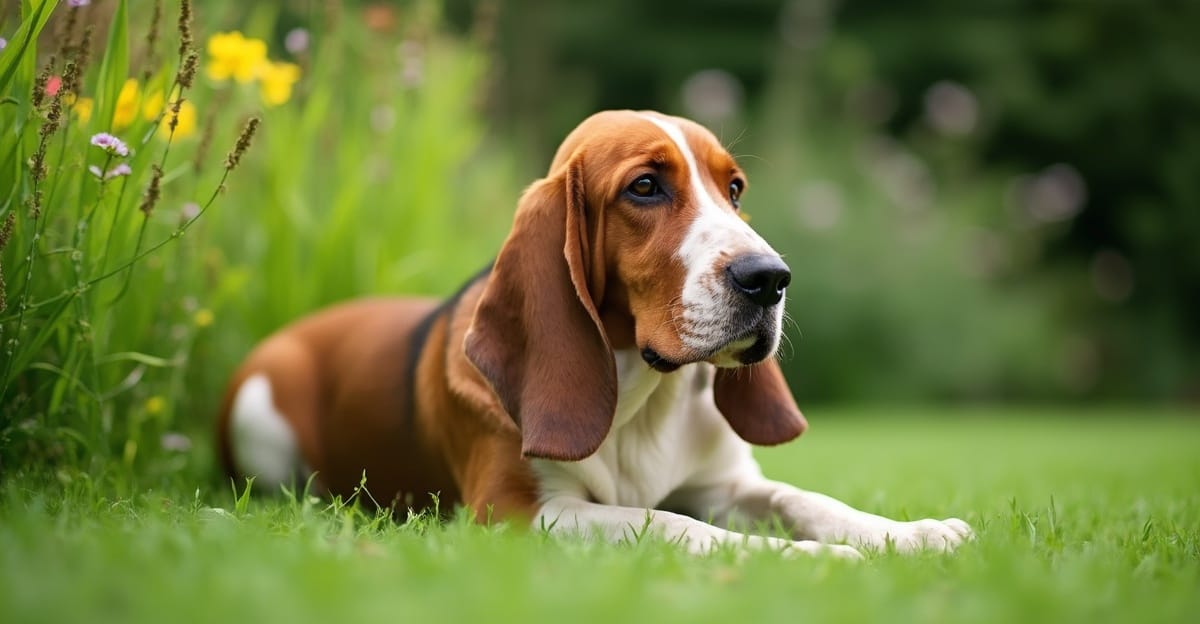
Understanding Your Basset Hound’s Behavior and Temperament
The gentle, soulful eyes of a Basset Hound often mask a complex personality that combines unwavering loyalty with surprising stubbornness. These medium-sized French hunting dogs have captured hearts worldwide with their distinctive appearance and endearing quirks, but understanding basset hound behavior requires looking beyond their charming exterior. From their legendary scent-tracking abilities to their tendency toward separation anxiety, Basset Hounds exhibit behaviors deeply rooted in their hunting heritage and pack mentality. Whether you’re dealing with excessive howling at 3 AM or wondering why your Basset Hound seems glued to your side, recognizing these breed-specific traits is essential for building a harmonious relationship with your four-legged companion.
Table of Contents
Key Takeaways
- Basset Hounds are known for their calm, affectionate nature, but their strong scent drive and independent streak influence their behavior.
- Separation anxiety is common in Basset Hounds due to their need for companionship, often manifesting as howling or destructive chewing.
- While generally good with other pets and older children, proper socialization and supervision are crucial to prevent territorial or prey-driven incidents.
- Their distinctive howling is a natural form of communication, rooted in their hunting heritage, and can be managed with appropriate attention and training.
Quick Facts
| Size Category | Medium |
| Origin | France |
| Hypoallergenic | no |
| Energy Level | low energy / calm |
| Trainability | moderately trainable |
| breed separation anxiety signs | whining, howling, pacing, destructive behavior when left alone |
| breed aggression triggers | fear, territorial behavior, lack of socialization |
| breed destructive behavior | digging, chewing on furniture or belongings if bored or anxious |
What is Typical Basset Hound Behavior?
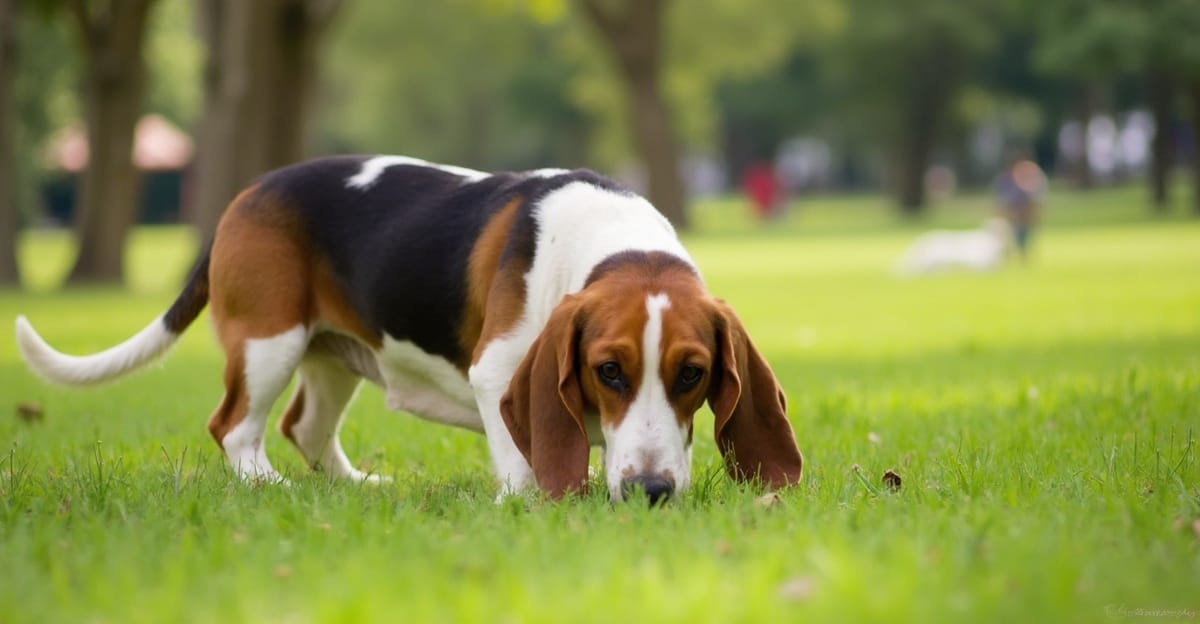
Basset hound behavior is fundamentally shaped by centuries of selective breeding for hunting purposes, creating dogs with an extraordinary sense of smell that can override almost any other consideration. When a Basset catches an interesting scent, their world narrows to that singular focus, often leading to the classic image of a determined hound following their nose with complete disregard for their owner’s calls. This scent-driven nature isn’t stubbornness in the traditional sense—it’s an deeply ingrained instinct that requires understanding rather than punishment.
The Calm Indoor Companion
Inside the home, Basset Hounds transform into remarkably calm and affectionate companions. Their low energy levels make them excellent apartment dogs, provided they receive adequate daily exercise. These dogs are natural loungers, often found sprawled across the most comfortable furniture in the house, preferring a cozy spot near their family. However, this calm demeanor shouldn’t be mistaken for laziness—Basset Hounds still require daily walks and mental stimulation to prevent boredom-related behaviors like excessive barking or destructive chewing.
Independence Meets Affection
The Basset Hound’s personality presents an interesting paradox: they’re incredibly affectionate and loyal to their families while maintaining a streak of independence that can challenge even experienced dog owners. This independence stems from their hunting background, where they needed to make decisions while tracking prey. In modern homes, this translates to a dog that loves being near you but may not always comply immediately with commands. Patience and positive reinforcement work far better than forceful training methods with these sensitive souls.
Social Butterflies with Boundaries
Basset Hounds are naturally social creatures that thrive on interaction with both humans and other dogs. They typically display excellent temperaments around strangers, though proper socialization from puppyhood ensures this friendliness continues throughout their lives. Their pack mentality means they genuinely suffer when isolated from their family for extended periods, making them poorly suited for owners who work long hours without providing companionship or stimulation.
How to Handle Basset Hound Separation Anxiety

Separation anxiety represents one of the most common behavioral challenges in Basset Hounds, stemming directly from their strong pack drive and deep attachment to their human families. Unlike some breeds that can contentedly spend hours alone, Basset Hounds genuinely struggle with solitude, viewing their human family as their pack that shouldn’t be separated. This anxiety isn’t a character flaw—it’s a natural response that requires compassionate management rather than punishment.
Recognizing the Signs
The signs of separation anxiety in Basset Hounds often begin subtly but can escalate quickly if not addressed. Whining and howling are typically the first indicators, as these dogs use their powerful voices to call their ‘pack’ back home. Pacing near doors or windows, particularly where they last saw you leave, demonstrates their distress and hope for your return. More severe cases involve destructive behavior, particularly chewing on furniture, shoes, or other items that carry your scent. House-soiling accidents in otherwise house-trained dogs also signal significant anxiety, as stress can override their normal bathroom habits.
Building Independence Gradually
Successful management of separation anxiety requires a gradual approach that builds your Basset’s confidence in being alone. Start with very short absences—just stepping outside for a few minutes—and gradually increase the duration as your dog remains calm. Create positive associations with your departure by providing special toys or treats that only appear when you leave. Interactive puzzle toys or frozen Kong toys filled with treats can provide mental stimulation that helps pass time and reduces anxiety. Establishing a consistent pre-departure routine helps your dog understand what’s happening without creating additional stress.
Environmental Management
Creating a safe, comfortable environment significantly reduces separation anxiety symptoms. Designate a specific area where your Basset feels secure, whether it’s a crate they’ve been properly conditioned to love or a particular room with their bed and favorite toys. Background noise from a radio or television can provide comfort and mask outside sounds that might trigger anxiety. Ensure adequate exercise before departures—a tired Basset is more likely to rest peacefully than an energetic one left with pent-up energy.
Are Basset Hounds Good with Other Pets?
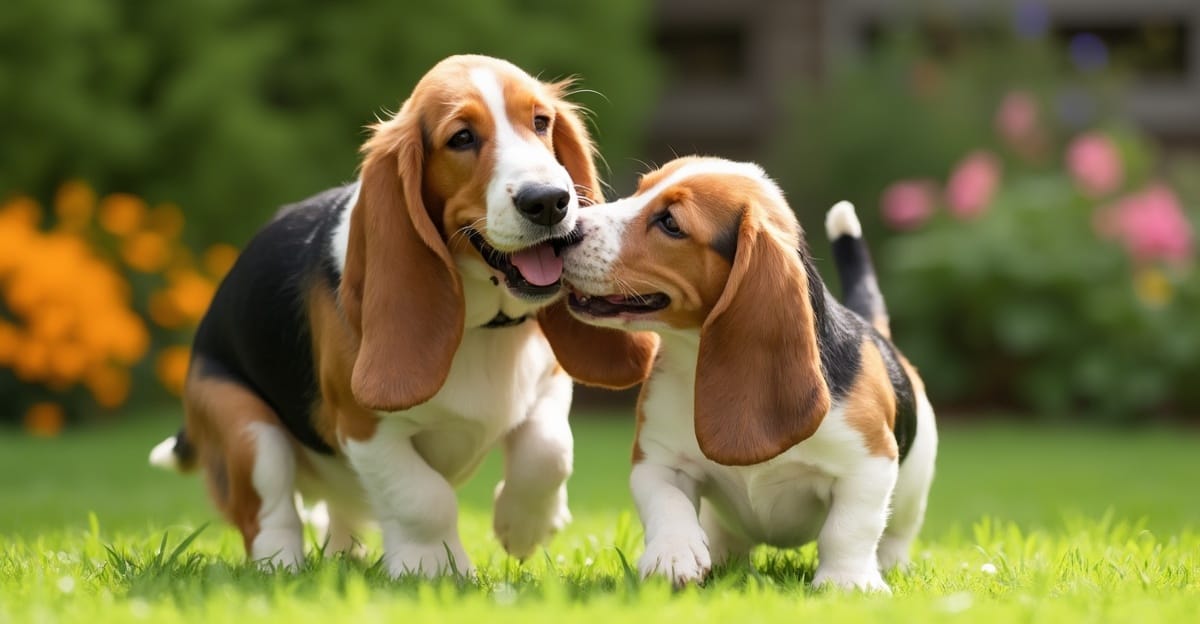
The question of basset hound behavior around other pets requires understanding both their naturally friendly disposition and their strong hunting instincts. Basset Hounds were bred to work in packs, making them generally excellent with other dogs when properly socialized. Their tolerant, easy-going nature typically extends to household pets, but their prey drive—developed over centuries of hunting small game—can complicate relationships with smaller, faster-moving animals.
Canine Companionship
Basset Hounds often thrive with other dogs, particularly when introduced properly during puppyhood or through careful adult introductions. Their pack mentality makes them natural team players, and many Basset owners find that having two dogs actually reduces separation anxiety and provides mutual companionship. However, their food-motivated nature means supervision during meal times prevents resource guarding, and their sometimes territorial behavior around toys requires management. Size differences should be considered—while Bassets are generally gentle, their enthusiasm during play can overwhelm much smaller dogs.
Managing the Prey Drive
The challenge with cats, rabbits, and other small pets lies in the Basset’s ingrained hunting instincts. While many Basset Hounds live peacefully with cats, especially when raised together, their scent-driven nature can trigger chase behaviors when a cat runs. Successful multi-species households require careful introductions, constant supervision during initial interactions, and providing escape routes for smaller pets. Some Bassets never fully overcome their prey drive, making them unsuitable for homes with small, vulnerable pets regardless of training efforts.
Creating Harmony
Success in multi-pet households depends heavily on early socialization, consistent training, and realistic expectations. Basset Hounds respond well to positive reinforcement when they display calm, appropriate behavior around other pets. Teaching a reliable ‘leave it’ command proves invaluable for redirecting attention away from smaller pets. Providing each pet with their own resources—food bowls, beds, toys—prevents competition and reduces stress. Remember that individual personality matters more than breed generalizations; some Bassets are naturally more prey-driven or territorial than others.
Why Do Basset Hounds Howl?
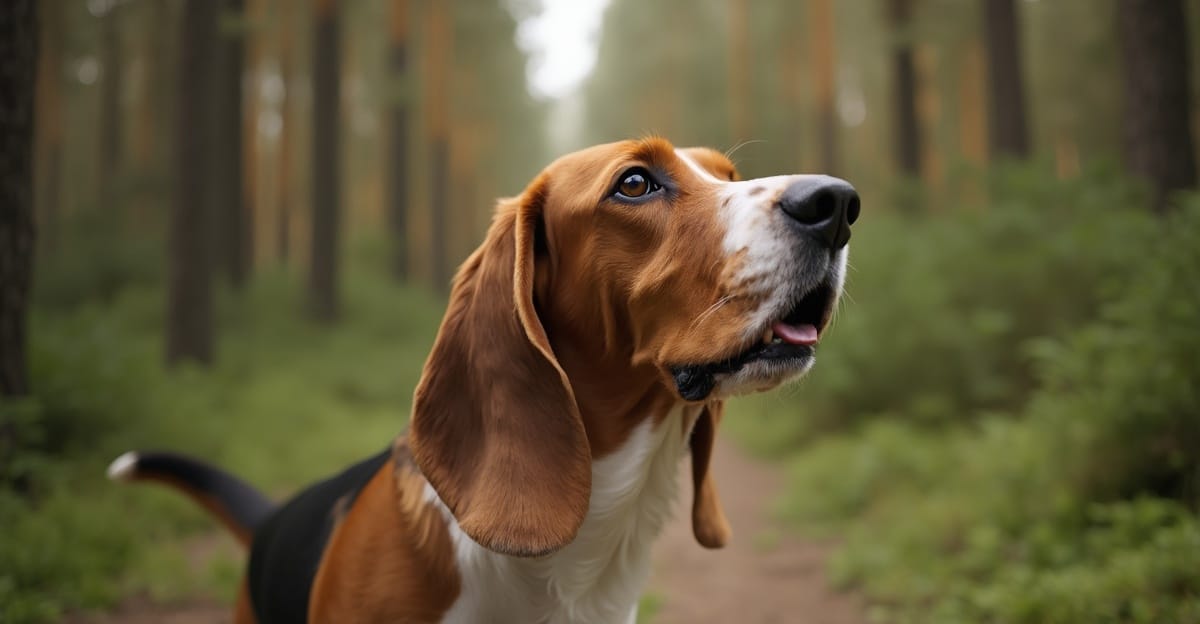
The distinctive, mournful howl of a Basset Hound represents one of their most characteristic behaviors, deeply rooted in their hunting heritage and communication needs. Unlike barking, which often signals immediate alerts or demands, howling serves as long-distance communication—a way for these pack hunters to stay connected across vast territories while tracking prey. Understanding this natural behavior helps owners appreciate when howling is normal expression versus when it signals underlying issues requiring attention.
Communication and Heritage
Basset Hounds howl as their primary form of long-distance communication, a trait carefully preserved through centuries of selective breeding. In their original hunting role, these dogs needed to signal their location to handlers and other pack members while following scent trails through dense forests. This instinct remains strong in modern Bassets, who may howl in response to sirens, other dogs barking in the distance, or even certain musical instruments that trigger their vocal instincts. The howl serves as both identification and location beacon, explaining why it carries such emotional weight and volume.
Emotional Expression
Modern Basset Hounds also use howling to express various emotional states, particularly loneliness, excitement, or attention-seeking. A Basset left alone may howl to call their ‘pack’ home, while others howl when excited about meal times or walks. Some Bassets develop howling as an attention-getting behavior when they learn it reliably brings human interaction. The key lies in understanding the context—howling accompanied by other signs of distress indicates anxiety or unmet needs, while brief howling during specific triggers usually represents normal breed behavior.
Managing Excessive Vocalization
While howling is natural for Basset Hounds, excessive vocalization can become problematic in urban environments or for noise-sensitive neighbors. Management focuses on addressing underlying causes rather than suppressing natural behavior. Ensuring adequate daily exercise and mental stimulation reduces boredom-related howling. Teaching a ‘quiet’ command through positive reinforcement allows owners to interrupt howling sessions when necessary. Providing appropriate outlets for their scent-driven nature through nose work games or puzzle toys channels their energy constructively. For persistent, excessive howling, consulting with a veterinarian rules out medical causes like hearing loss or cognitive issues that might increase vocalization.
Frequently Asked Questions
Are Basset Hounds aggressive?
Basset Hounds are generally not considered an aggressive breed. They are known for their gentle, laid-back, and tolerant nature. Aggression in a Basset Hound is typically a sign of fear, pain, or lack of proper socialization, rather than an inherent breed trait. Like any dog, consistent positive reinforcement and early exposure to various situations are key to fostering a well-adjusted temperament.
Why does my Basset Hound exhibit separation anxiety?
Basset Hounds are highly social dogs that thrive on companionship. Their strong pack instinct makes them prone to developing separation anxiety when left alone for extended periods. This can manifest as howling, destructive chewing, or house-soiling. They genuinely miss their human family and need consistent routines, gradual desensitization to alone time, and engaging activities to cope.
How can I calm my Basset Hound?
To calm a Basset Hound, ensure they receive adequate daily exercise, even if it’s just a leisurely walk, to expend some energy. Provide mental stimulation through puzzle toys or scent games to engage their keen nose. A consistent routine, a comfortable resting spot, and ample positive attention can also contribute to a calm demeanor. For persistent anxiety or hyperactivity, consult a vet or professional behaviorist.
Are Basset Hounds good with children?
Basset Hounds are generally known for being good with children, especially older, respectful kids. Their patient and tolerant nature allows them to handle the boisterousness of children well. However, due to their low-slung bodies, they can be accidentally tripped over by very young children. Supervision is always recommended, and children should be taught how to interact gently and respectfully with any dog.
Conclusion
Understanding basset hound behavior requires appreciating the complex blend of hunting instincts, pack mentality, and gentle affection that defines this remarkable breed. Their scent-driven nature, tendency toward separation anxiety, and distinctive communication style all stem from centuries of careful breeding for specific hunting purposes. While challenges like excessive howling or destructive behavior when anxious may arise, these issues respond well to patient, consistent management that works with rather than against their natural instincts. Success with Basset Hounds comes from embracing their unique personality traits while providing the structure, socialization, and mental stimulation they need to thrive. Whether you’re addressing basset hound health problems, considering how much does a basset hound cost, or implementing basset hound training tips, remember that these dogs respond best to patience, positive reinforcement, and genuine understanding of their behavioral needs. Curious how the Basset Hound compares to other breeds in temperament? Try our Pet Comparison Tool for a side-by-side visual breakdown.
Sources & References
⚠️ This article is for informational purposes only and does not replace professional veterinary advice. Always consult a qualified vet for your pet’s health needs.