
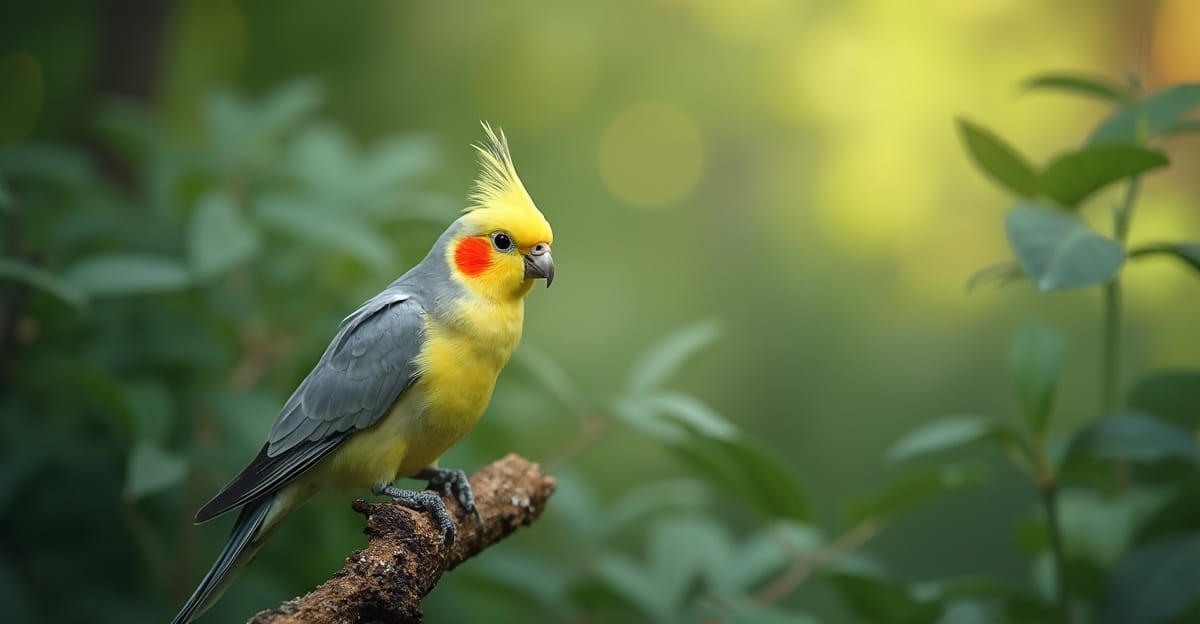
Your Essential Guide to Owning a Cockatiel
Welcome to the exciting world of Cockatiel ownership! These charming and affectionate birds, native to Australia, make wonderful companions, especially for first-time bird owners. This comprehensive cockatiel owner guide will walk you through everything you need to know, from setting up their ideal home to understanding their unique social needs and ensuring their long-term health. Prepare to discover the joys and responsibilities of caring for these delightful feathered friends.
Table of Contents
Key Takeaways
- Cockatiels are beginner-friendly birds, but require daily interaction and a stimulating environment.
- A spacious cage (min. 61W × 61D × 76H cm) with appropriate bar spacing and varied perches is crucial for their well-being.
- Be vigilant about household hazards; many common items are toxic to their sensitive respiratory systems.
- Consistent handling and positive reinforcement can tame a Cockatiel within weeks to months, fostering a strong bond.
Quick Facts
| Size Category | Medium |
| Origin | Australia |
| Diet Type | Seed-based |
| Out Of Cage Min Hours | 2 |
| Beginner Friendly | beginner-friendly |
| First Time Difficulty | easy to care for |
| Toxic Household Items | many common household plants and foods are toxic to Cockatiels, including avocado, chocolate, and certain houseplants |
| Taming Timeline | can be tamed within a few weeks to a few months with consistent handling and positive reinforcement |
What to Know Before Getting a Cockatiel
Cockatiels are remarkable companions that bring joy and personality to any household. These Australian natives have captured hearts worldwide with their distinctive crests, expressive faces, and gentle demeanor. Before welcoming one into your home, understanding their core characteristics will help you prepare for a successful cockatiel owner guide experience.
Understanding Cockatiel Temperament and Social Needs
Cockatiels are inherently very affectionate and social creatures that thrive on daily interaction with their human companions. Unlike some bird species that can be aloof, these feathered friends actively seek attention and form strong bonds with their owners. Their social nature means they genuinely enjoy being part of family activities and will often call out to join conversations or simply be near their favorite people.
Their moderate noise level makes them suitable for various living situations, though they do have their vocal moments, particularly during dawn and dusk. Many Cockatiels develop some talking ability, with males typically being more vocal than females. They excel at learning whistles, household sounds, and can pick up simple words or phrases with patience and consistent training.
Long-term Commitment and Health Considerations
One crucial aspect potential owners must consider is the significant time commitment involved. Cockatiels live 15-25 years, making them lifelong companions that will be part of your family through many life changes. This longevity is wonderful for bonding but requires careful consideration of your future living situations, lifestyle changes, and ability to provide consistent care.
An important health consideration is their high dust/dander level, which they produce naturally through preening and feather maintenance. This characteristic can be problematic for individuals with allergies or respiratory sensitivities. Regular air filtration and frequent cleaning help manage this aspect, but it’s something to evaluate honestly before bringing a Cockatiel home.
How to Set Up a Cockatiel Cage
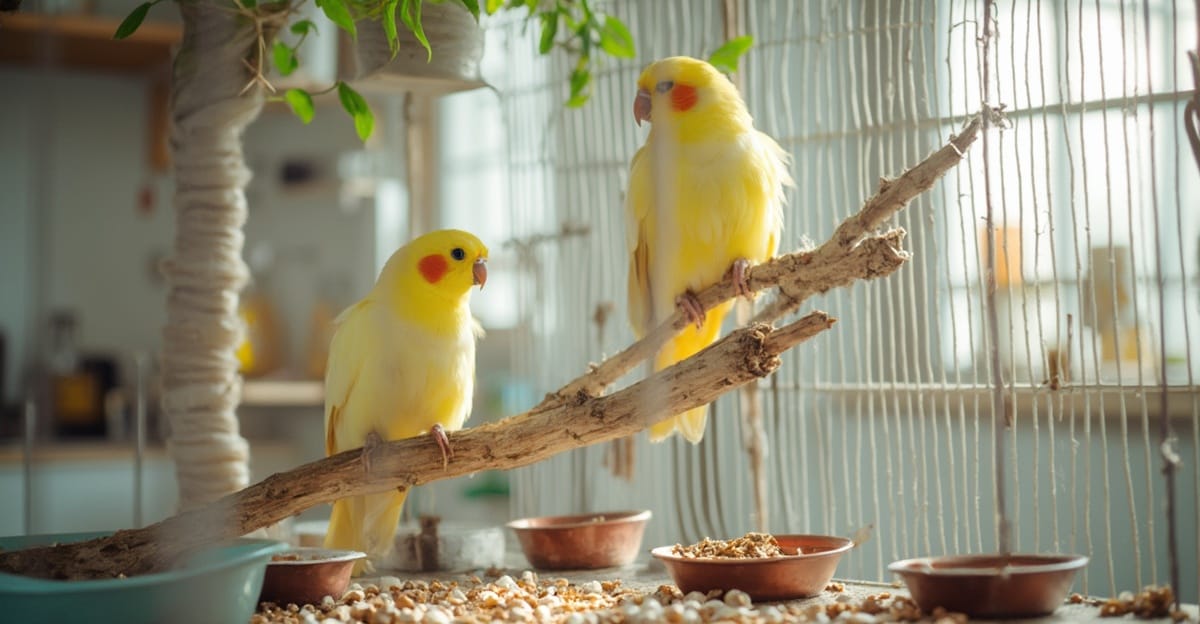
Creating the perfect environment for your Cockatiel begins with selecting and properly arranging their cage. This space serves as their safe haven, playground, and dining room, making proper cockatiel cage setup absolutely crucial for their physical and mental well-being. A well-designed habitat promotes natural behaviors while keeping your feathered friend secure and comfortable.
Choosing the Right Cage Size and Structure
The minimum cage dimensions for a Cockatiel are 61W × 61D × 76H cm (24W × 24D × 30H inches), though larger is always better. Cockatiels are active birds that need space to spread their wings, hop between perches, and engage in natural flight behaviors even when confined. The cage bars should be spaced appropriately to prevent escape while allowing for climbing, which Cockatiels enjoy immensely.
Horizontal space is more important than height for these birds, as they naturally fly horizontally rather than vertically in the wild. Choose a cage with bar spacing of 1/2 to 5/8 inch to prevent head entrapment while still allowing your Cockatiel to climb safely. Stainless steel or powder-coated cages are ideal, avoiding galvanized metals that can be toxic.
Essential Accessories and Environmental Enrichment
Proper perch selection is vital for foot health and comfort. Provide perches of varying diameters and textures, including natural wood branches, rope perches, and mineral perches. Different sizes exercise the feet differently and prevent pressure sores that can develop from standing on uniform surfaces. Position perches at different levels to create an interesting landscape for exploration.
Food and water dishes should be heavy enough to prevent tipping and positioned away from perches to minimize contamination. Stainless steel or ceramic bowls are easiest to clean and most hygienic. Include multiple feeding stations if space allows, as this encourages natural foraging behaviors.
Toys are essential for mental stimulation and preventing boredom-related behavioral issues. Rotate toys regularly to maintain interest, offering a mix of foraging toys, puzzle toys, and items for chewing and shredding. Natural materials like untreated wood, paper, and safe plants provide excellent enrichment opportunities.
Is a Cockatiel Right for Your Family?
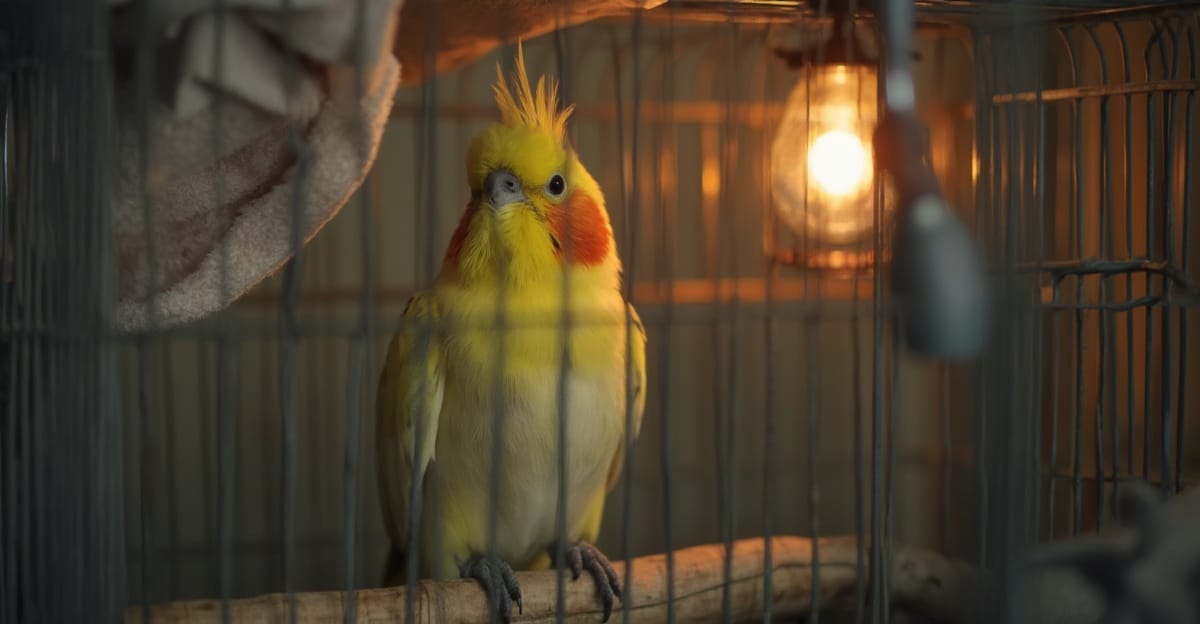
Determining whether a Cockatiel fits well with your family dynamics involves honest assessment of your household’s lifestyle, experience with pets, and commitment to creating a bird-safe environment. These considerations become even more important when cockatiel social interaction needs are factored into daily routines and long-term family planning.
Living with Children and Daily Routines
Cockatiels are generally good with older children who understand the importance of gentle handling and respectful interaction. Children around 8 years and older typically have the maturity to learn proper bird handling techniques and can participate meaningfully in daily care routines. However, very young children may be too unpredictable in their movements and noise levels, potentially causing stress to these sensitive birds.
The moderately messy nature of Cockatiels means daily cage cleaning and maintenance of the surrounding area will become part of your routine. Seed hulls, feathers, and occasional food debris are normal parts of Cockatiel ownership. Families should be prepared for this ongoing maintenance and factor it into their daily schedules.
One unique characteristic that families should understand is the potential for night frights. Cockatiels can experience sudden panic episodes in darkness, often triggered by unfamiliar sounds or shadows. Having a small night light near their cage or using a partial cage cover can help prevent these distressing episodes.
Creating a Safe Household Environment
Cockatiels are particularly vulnerable to household toxins due to their sensitive respiratory systems and curious nature. Many common items that seem harmless can be deadly to these birds. Avocado, chocolate, caffeine, and certain houseplants top the list of dangerous substances that must be completely eliminated from areas where your Cockatiel might have access.
Kitchen safety requires special attention, as cooking fumes, particularly from non-stick cookware, can be fatal to birds within minutes. Scented candles, air fresheners, and aerosol products should be avoided entirely. Even cleaning products need careful consideration, with bird-safe alternatives becoming necessary for areas where your Cockatiel spends time.
The commitment extends beyond just removing dangerous items – it means permanently changing how you approach household products and maintaining vigilance about what enters your home environment. This lifestyle adjustment is manageable but requires consistent awareness from all family members.
How Much Time Should You Spend with Your Cockatiel?
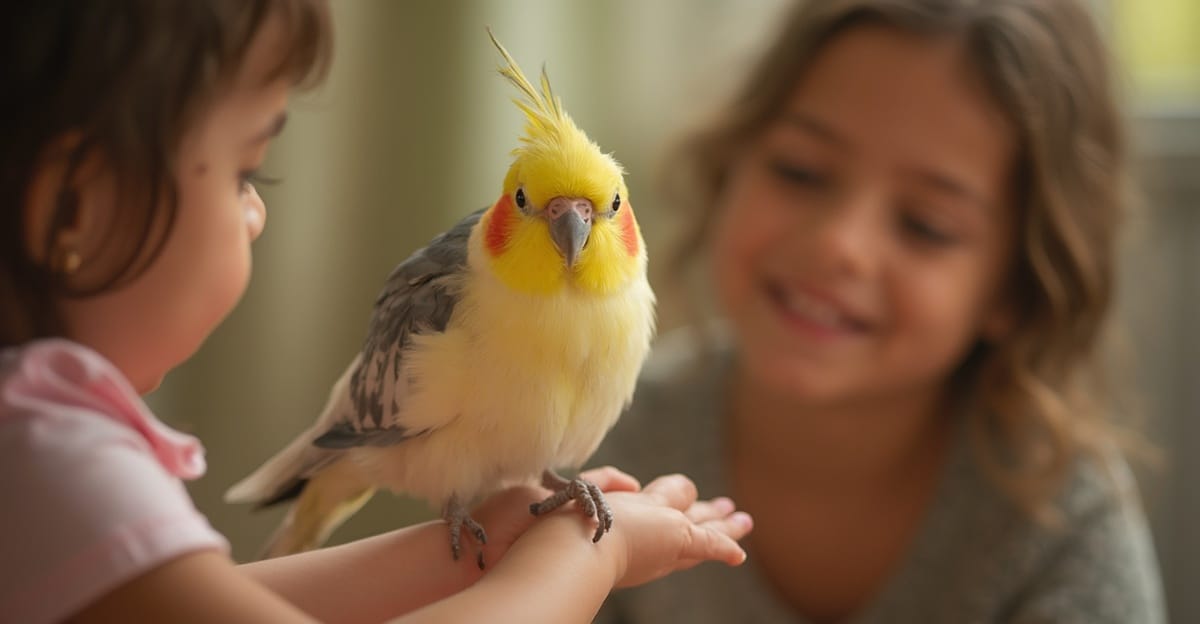
Time investment is perhaps the most critical factor in successful Cockatiel ownership, directly impacting their emotional well-being, behavioral development, and the strength of your bond together. Understanding the daily time requirements and establishing consistent routines forms the foundation of effective cockatiel training techniques and long-term happiness for both you and your feathered companion.
Daily Interaction and Out-of-Cage Time Requirements
Cockatiels require a minimum of 2 hours of supervised out-of-cage time daily, though many thrive with even more freedom when safely supervised. This time isn’t just about physical exercise – it’s crucial for mental stimulation, social bonding, and preventing behavioral problems that arise from boredom or loneliness. During these sessions, your Cockatiel can explore, interact with family members, and engage in natural behaviors impossible within cage confines.
The quality of interaction matters as much as quantity. Simply having your Cockatiel perched nearby while you work provides some social benefit, but active engagement through talking, training, or play creates stronger bonds and better-adjusted birds. Many owners find that incorporating their Cockatiel into daily routines – such as having them nearby during meals or evening relaxation – helps meet these social needs naturally.
Establishing predictable schedules helps Cockatiels feel secure and reduces stress-related behaviors. Regular feeding times, consistent sleep schedules, and predictable interaction periods create the stability these intelligent birds need to thrive in captivity.
Building Trust Through Consistent Training
The taming process requires patience and consistency but yields incredibly rewarding results. Most Cockatiels can be tamed within a few weeks to a few months with daily positive interactions and proper techniques. This timeline varies significantly based on the bird’s previous experiences, age, and individual personality, but consistent effort almost always produces success.
Early socialization during the first few months is particularly important for developing a well-adjusted companion. Exposing your Cockatiel to various household sounds, gentle handling, and different family members during this period helps prevent fearfulness and behavioral issues later. The investment in time during these crucial early weeks pays dividends throughout your bird’s lifetime.
Training sessions should be short but frequent, typically 10-15 minutes several times daily rather than long, intensive sessions. This approach maintains your Cockatiel’s attention while building positive associations with human interaction. Incorporating training into natural interaction times makes the process enjoyable rather than stressful for both parties.
How to Tame Your New Cockatiel
Successfully taming a Cockatiel requires patience, consistency, and understanding of their natural behaviors and comfort levels. This process builds the foundation for a lifelong bond and determines how well your bird will integrate into your family life.
- Step 1: Allow your Cockatiel to settle into its new cage for a few days without direct interaction. This gives them time to acclimate to their surroundings and feel secure before you begin taming.
- Step 2: Start by sitting quietly near the cage, talking softly to your Cockatiel. This helps them get used to your presence and voice without feeling threatened. Repeat this several times a day.
- Step 3: Gradually introduce your hand into the cage, holding a treat like millet spray. Don’t force interaction; allow your Cockatiel to approach your hand on its own terms, rewarding any positive engagement.
- Step 4: Once your Cockatiel is comfortable taking treats from your hand, gently encourage it to step onto your finger. Use a verbal cue like ‘step up’ and reward them immediately when they comply.
- Step 5: Practice short out-of-cage sessions in a bird-safe room. Continue with positive reinforcement and gentle handling, gradually increasing the duration as your Cockatiel gains confidence and trust in you.
Frequently Asked Questions
Is a Cockatiel good for first-time owners?
Yes, Cockatiels are considered excellent pets for first-time bird owners. They are generally docile, affectionate, and relatively easy to care for compared to larger parrot species. Their moderate size, social nature, and ability to be tamed quickly make them a rewarding choice for those new to avian companionship, provided their specific needs for interaction and a safe environment are met.
What do I need before getting a Cockatiel?
Before bringing a Cockatiel home, you’ll need a spacious cage (min. 61W × 61D × 76H cm), perches of varying sizes, food and water bowls, a variety of toys, and a high-quality seed-based diet supplemented with fresh fruits and vegetables. It’s also crucial to identify an avian veterinarian in your area and schedule an initial check-up to ensure your new companion’s health.
How much does owning a Cockatiel cost per year?
The financial commitment for a Cockatiel is considered affordable. Initial costs include the bird itself, a cage, and supplies. Annually, expect to spend on food, toys, bedding, and routine veterinary check-ups. While specific figures vary, budgeting for several hundred dollars per year for ongoing care, excluding emergency medical expenses, is a reasonable estimate for a single Cockatiel.
Can Cockatiels talk like other parrots?
Cockatiels do have some talking ability, but they are not as proficient as larger parrots like African Greys or Amazons. Males are generally more likely to mimic speech and sounds than females. They often learn to whistle tunes, mimic household sounds, and can pick up a few words or short phrases with consistent training and encouragement. Their vocalizations are typically softer than those of larger birds.
Cockatiels offer incredible rewards for those willing to meet their needs for social interaction, proper housing, and attentive care. Their affectionate nature and beginner-friendly temperament make them ideal companions for first-time bird owners who understand the commitment involved. Success with this cockatiel owner guide depends on creating a safe environment, providing adequate daily interaction, and maintaining consistent routines that help these intelligent birds thrive.
The journey of Cockatiel ownership brings unique joys – from their endearing head bobs and cheerful whistles to the deep bonds they form with their human families. While cockatiel diet tips, proper housing setup, and understanding their social needs require dedication, the rewards of sharing your life with these remarkable birds make every effort worthwhile. Their 15-25 year lifespan means you’re embarking on a long-term relationship that will bring years of companionship and mutual enrichment.
Conclusion
Remember that each Cockatiel is an individual with unique personality traits and preferences. What works perfectly for one bird might need adjustment for another. Patience during the initial adjustment period, consistent application of cockatiel health care principles, and ongoing attention to their evolving needs will help ensure a happy, healthy relationship for years to come. Still wondering if the Cockatiel is the right match for your lifestyle? Take our Pet Matchmaker Quiz and get your perfect pet match with a compatibility score.
Sources & References
⚠️ This article is for informational purposes only and does not replace professional veterinary advice. Always consult a qualified vet for your pet’s health needs.