
Feeding Your Rhodesian Ridgeback: A Complete Nutrition Guide
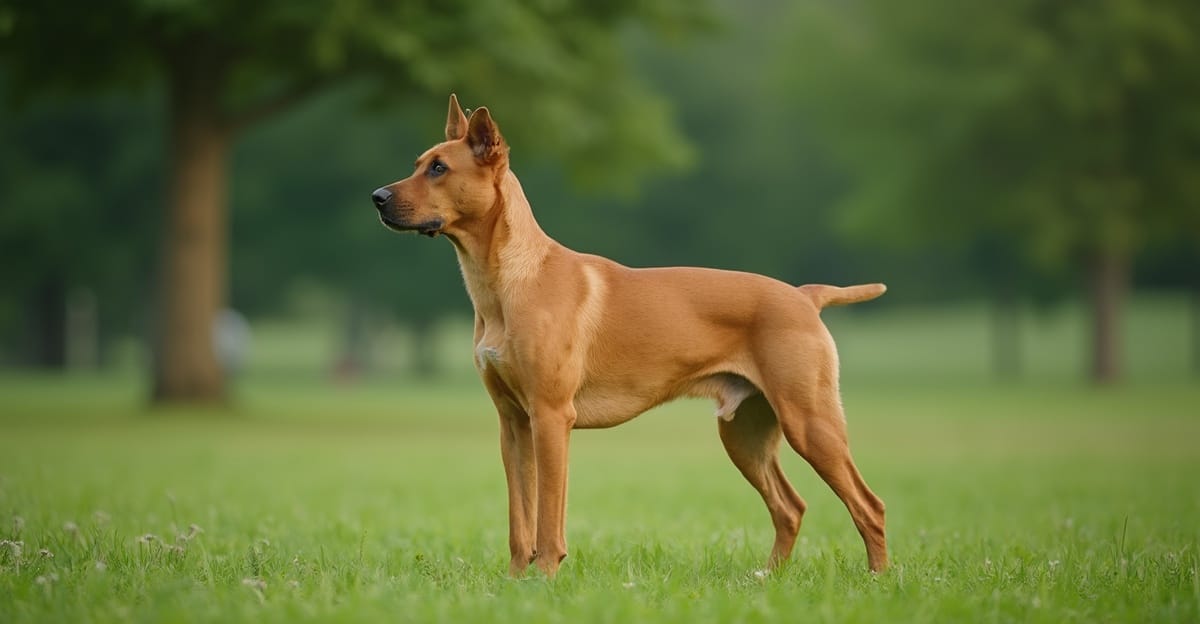
Rhodesian Ridgebacks are majestic, moderate-energy dogs known for their distinctive ridge and affectionate nature. Proper rhodesian ridgeback nutrition is paramount to supporting their robust build, maintaining their moderate energy levels, and ensuring a long, healthy life of 10-12 years. This comprehensive guide will delve into the specific dietary needs of your Rhodesian Ridgeback, from understanding appropriate portion sizes and caloric requirements to identifying toxic foods and making informed choices about commercial and human food options. We’ll provide expert, factual insights, citing AAFCO standards, to help you navigate the complexities of feeding this magnificent breed, ensuring your Ridgeback thrives.
Table of Contents
Key Takeaways
- Rhodesian Ridgebacks require a large-breed specific diet formulated to support their rapid growth and prevent orthopedic issues.
- Adult Rhodesian Ridgebacks typically need 2 3/4 to 4 3/8 cups of high-quality dry food daily, adjusted for activity and individual metabolism.
- Maintaining a healthy weight is crucial for Rhodesian Ridgebacks to prevent joint strain; regular body condition scoring is recommended.
- Avoid common toxic foods like chocolate, grapes, and onions, as Rhodesian Ridgebacks are susceptible to their harmful effects.
Quick Facts
| Size Category | Large |
| Origin | Zimbabwe |
| Hypoallergenic | no |
| Energy Level | moderate energy |
| Trainability | moderately trainable |
| Breed Adult Portion | 2 3/4 to 4 3/8 cups |
| Breed Toxic Top 3 | chocolate, grapes, onions |
What is the best diet for a Rhodesian Ridgeback?
The foundation of optimal rhodesian ridgeback nutrition lies in selecting a diet specifically formulated for large breeds. These specialized formulas are engineered to support controlled growth in puppies while maintaining joint health throughout adulthood. The key difference lies in the carefully balanced calcium-to-phosphorus ratios, which prevent the rapid bone growth that can lead to developmental orthopedic diseases common in large breed dogs.
AAFCO Standards and Quality Protein Sources
When evaluating dog foods for your Rhodesian Ridgeback, prioritize those that meet AAFCO nutritional adequacy statements for all life stages. Look for foods where a named meat source appears as the first ingredient – options like chicken meal, lamb meal, or salmon meal provide concentrated, high-quality protein. These ingredients have already been processed to remove moisture, making them more nutrient-dense than fresh meat alternatives. The protein content should ideally range between 22-26% for adults, providing adequate amino acids for muscle maintenance without excessive levels that could strain the kidneys.
Balanced Macronutrients for Moderate Energy Dogs
Rhodesian Ridgebacks possess moderate energy levels, requiring a diet that fuels their daily activities without promoting excessive weight gain. Fat content should typically range between 12-18%, providing essential fatty acids and energy while maintaining an appropriate caloric density. Omega-3 fatty acids, particularly DHA and EPA, play crucial roles in supporting skin health, coat quality, and cognitive function. These nutrients are especially beneficial for Rhodesian Ridgebacks, contributing to their overall well-being and helping maintain their distinctive, short coat in optimal condition.
How much should a Rhodesian Ridgeback eat daily?
Determining the appropriate daily food intake for your Rhodesian Ridgeback requires understanding their life stage, activity level, and individual metabolic needs. The feeding approach differs significantly between puppies, adults, and senior dogs, with each stage presenting unique nutritional requirements that support optimal health and development.
Puppy Feeding Guidelines and Growth Management
Rhodesian Ridgeback puppies require frequent meals to support their rapid growth while preventing developmental issues. Feed puppies three to four times daily using large-breed puppy food specifically formulated to control growth rate. This controlled approach prevents the rapid bone development that can lead to orthopedic problems later in life. Puppy food should be continued until 12-18 months of age, when the growth plates have closed and the dog has reached skeletal maturity.
Adult Portion Guidelines and Individual Adjustments
Adult Rhodesian Ridgebacks weighing between 70-85 pounds typically require 2 3/4 cups to 4 3/8 cups of high-quality dry kibble daily. This range accounts for variations in the food’s caloric density, individual metabolism, and activity levels. Active dogs participating in regular exercise, hunting, or other demanding activities may require portions toward the higher end of this range, while less active or older dogs may thrive on smaller portions. Always divide the daily amount into two meals to promote better digestion and reduce the risk of gastric dilatation-volvulus, a serious condition affecting deep-chested breeds.
Senior Dog Nutritional Adjustments
Senior Rhodesian Ridgebacks often benefit from dietary modifications that account for their changing metabolism and activity levels. Reduced caloric intake may be necessary to prevent weight gain as activity decreases with age. Look for senior formulas that include joint-supporting supplements like glucosamine and chondroitin, which can help maintain mobility and comfort. Regular body condition assessments become even more critical during this life stage, as maintaining an ideal weight reduces stress on aging joints and organs.
Understanding Rhodesian Ridgeback caloric needs

Calculating the appropriate caloric intake for your Rhodesian Ridgeback involves considering multiple factors beyond just their weight. Adult dogs weighing between 31.75-38.56 kg (70-85 lbs) with moderate energy levels typically require 1,700 to 2,500 calories per day, but individual needs can vary significantly based on metabolism, activity, and environmental factors.
Factors Influencing Caloric Requirements
Several key factors influence your Rhodesian Ridgeback’s daily caloric needs. Age plays a significant role, with younger adults often requiring more calories than senior dogs. Spay and neuter status affects metabolism, with altered dogs typically needing 10-20% fewer calories than intact animals. Climate conditions also impact energy requirements – dogs in colder environments may need additional calories for thermoregulation, while those in hot climates might require slightly less. Overall health status, including any underlying conditions, can also influence metabolic needs and should be discussed with your veterinarian.
Body Condition Scoring and Weight Management
Regular body condition scoring provides the most accurate method for assessing whether your Rhodesian Ridgeback is receiving appropriate nutrition. The ideal body condition features ribs that are easily palpable but not visible, a visible waist when viewed from above, and an abdominal tuck when viewed from the side. Dogs carrying excess weight place additional stress on their joints, particularly problematic for large breeds prone to hip dysplasia and other orthopedic issues. Conversely, underweight dogs may lack the energy reserves needed for their moderate activity levels and immune system function.
Preventing Obesity Through Measured Feeding
Avoiding free-feeding practices is essential for maintaining your Rhodesian Ridgeback’s ideal weight. Measured meals allow for precise portion control and help establish regular eating routines that support digestive health. Use a standard measuring cup or kitchen scale to ensure accuracy, as ‘eyeballing’ portions often leads to overfeeding. Monitor your dog’s weight regularly and adjust portions accordingly – even a 10% increase in body weight can significantly impact joint health and overall well-being in large breed dogs.
Can Rhodesian Ridgebacks eat human food?
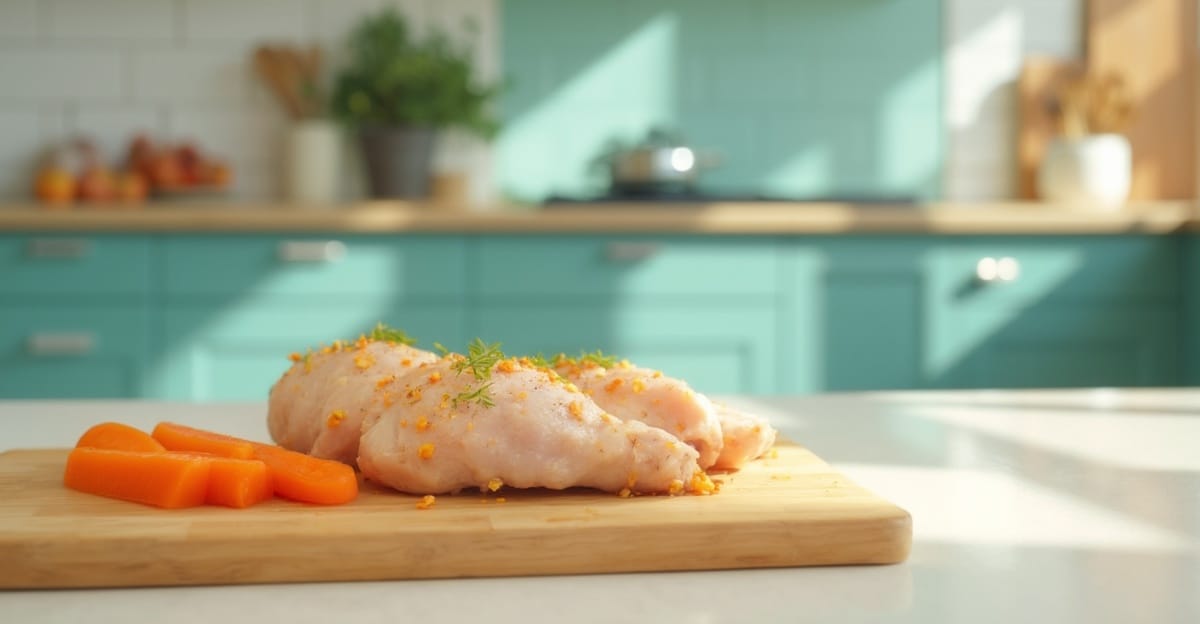
While many human foods can be safely shared with your Rhodesian Ridgeback in moderation, understanding which foods are beneficial and which are dangerous is crucial for maintaining their health. The key lies in making informed choices and ensuring that any human food treats complement rather than replace their balanced commercial diet.
Safe Human Food Options and Moderation Guidelines
Several human foods can serve as healthy, occasional treats for Rhodesian Ridgebacks. Plain cooked chicken, turkey, and lean beef provide high-quality protein, while vegetables like carrots, green beans, and sweet potatoes offer vitamins and fiber. Fresh fruits such as apples (without seeds), blueberries, and bananas can provide antioxidants and natural sugars in small quantities. However, these treats should never exceed 10% of your dog’s daily caloric intake to prevent nutritional imbalances and maintain their primary diet’s nutritional completeness.
Preparation Methods and Safety Considerations
When offering human food to your Rhodesian Ridgeback, preparation method matters significantly. Plain, unseasoned options are always safest – avoid foods prepared with garlic, onions, excessive salt, or artificial seasonings that could be harmful. Cooking methods should be simple: boiling, steaming, or baking without added oils or butter. Raw foods require extra caution due to potential bacterial contamination, and bones should always be avoided as they can splinter and cause serious internal injuries.
Toxic Foods and Emergency Prevention
Certain human foods pose serious health risks to Rhodesian Ridgebacks and should never be offered under any circumstances. Chocolate contains theobromine, which is toxic to dogs and can cause seizures, heart problems, and death. Grapes and raisins can cause acute kidney failure, while onions and garlic damage red blood cells, leading to anemia. Xylitol, a common artificial sweetener found in sugar-free gum and candy, can cause rapid insulin release and potentially fatal hypoglycemia. Macadamia nuts can cause weakness, vomiting, and hyperthermia. Always keep these foods securely stored away from your Rhodesian Ridgeback and contact your veterinarian immediately if accidental ingestion occurs.
Frequently Asked Questions
What should I feed my Rhodesian Ridgeback?
A Rhodesian Ridgeback thrives on a high-quality, large-breed specific dog food that meets AAFCO nutritional standards. Look for formulas with a named meat source as the primary ingredient, balanced protein and fat levels, and appropriate calcium-to-phosphorus ratios to support their bone and joint health. Consult your vet for tailored recommendations based on your dog’s age and activity.
How much should a Rhodesian Ridgeback eat per day?
Adult Rhodesian Ridgebacks typically require 2 3/4 cups (approximately 275g) to 4 3/8 cups (approximately 440g) of dry kibble daily, split into two meals. This amount varies based on the food’s caloric density, your dog’s weight (31.75-38.56 kg), and their moderate energy level. Always monitor their body condition and adjust portions to maintain an ideal weight.
What foods are toxic to Rhodesian Ridgebacks?
Several human foods are toxic to Rhodesian Ridgebacks and should never be given. These include chocolate, grapes and raisins, onions, garlic, xylitol (a common artificial sweetener), macadamia nuts, and avocado. Even small amounts can cause severe health issues. Always keep these items out of your Ridgeback’s reach and contact your vet immediately if ingestion is suspected.
Is a special diet needed for Rhodesian Ridgebacks?
While not requiring a ‘special’ diet in the sense of a prescription, Rhodesian Ridgebacks benefit greatly from large-breed specific formulas. These diets are designed to support their unique growth rate as puppies and maintain joint health as adults. They also help manage their moderate energy levels and prevent obesity, which is crucial for a breed prone to joint problems.
Conclusion
Proper rhodesian ridgeback nutrition forms the cornerstone of your dog’s long-term health and vitality. Prioritizing large-breed specific dog food that meets AAFCO standards ensures your Rhodesian Ridgeback receives the balanced protein, appropriate fat levels, and essential nutrients needed to thrive throughout their 10-12 year lifespan. Carefully measuring daily food portions between 2 3/4 to 4 3/8 cups for adults, while adjusting based on individual activity levels and body condition, helps maintain optimal weight and prevents joint stress common in large breeds. Remaining vigilant about avoiding toxic human foods like chocolate, grapes, and onions protects your Rhodesian Ridgeback from serious health complications that could be life-threatening. Regular consultations with your veterinarian provide personalized dietary guidance, especially concerning weight management and any breed-specific health concerns that may arise. Understanding your dog’s moderate energy requirements and feeding them accordingly supports their affectionate, calm temperament while maintaining the physical condition necessary for their active lifestyle. By following these evidence-based nutritional guidelines and monitoring your Rhodesian Ridgeback’s body condition regularly, you’ll provide the foundation for a healthy, happy life together. Find the best food and nutrition products for your Rhodesian Ridgeback with our Pet Product Finder — personalized recommendations based on your pet’s needs.
Sources & References
⚠️ This article is for informational purposes only and does not replace professional veterinary advice. Always consult a qualified vet for your pet’s health needs.