
Training Your Banggai Cardinalfish: Effective Tips and Strategies
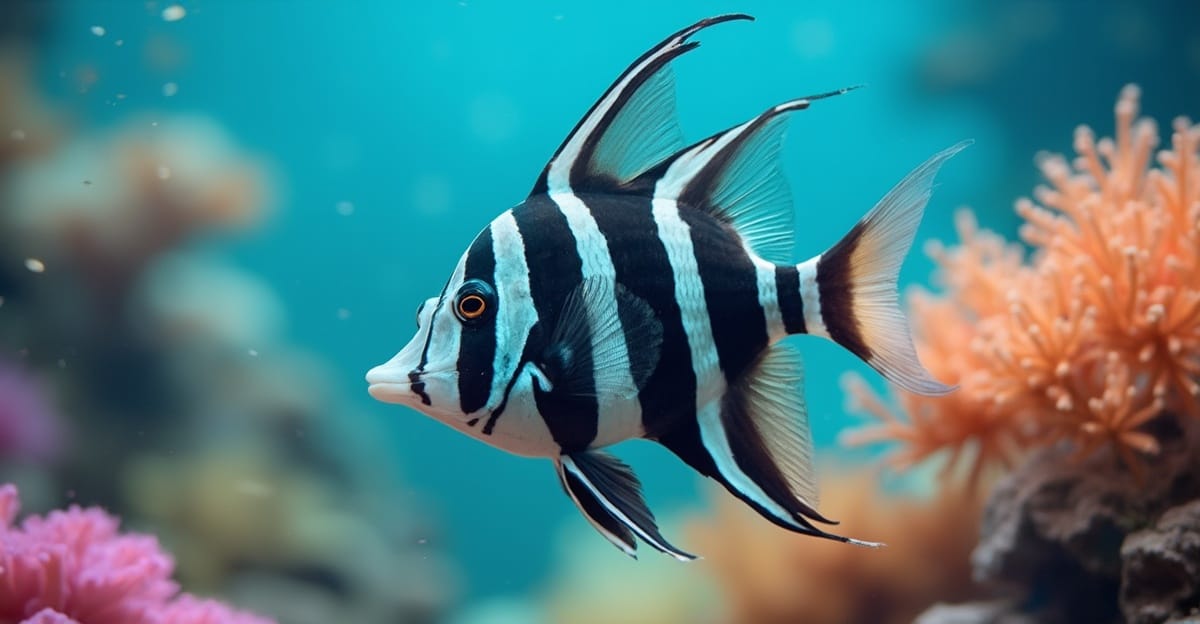
The mesmerizing Banggai Cardinalfish, with their distinctive black stripes and peaceful demeanor, captivate aquarists worldwide. However, many fish enthusiasts wonder about banggai cardinalfish training possibilities and whether these Indonesian natives can learn behaviors beyond their natural instincts. Unlike highly intelligent marine species, Banggai Cardinalfish possess limited behavioral adaptability, making traditional training approaches ineffective. Their sedentary nature and preference for sheltered environments mean that successful interaction focuses on environmental enrichment and routine conditioning rather than complex behavioral modification. Understanding their unique characteristics and natural behaviors becomes essential for creating meaningful interactions with these beautiful saltwater fish while respecting their inherent limitations.
Table of Contents
Key Takeaways
- Banggai Cardinalfish exhibit low behavioral adaptability, making traditional ‘training’ challenging.
- Focus on environmental enrichment, such as providing ample hiding spots and live rock, to stimulate natural behaviors.
- Positive reinforcement, primarily through consistent feeding routines, can help establish predictable interactions.
- Recognizing subtle stress signs like clamped fins or erratic swimming is crucial for maintaining their well-being.
Quick Facts
| Size Category | Small |
| Origin | Banggai Islands (Indonesia) |
| Water Type | Saltwater |
| Diet Type | Carnivore |
| Beginner Friendly | some experience needed |
| breed trainability | low trainability due to limited behavioral adaptability |
| breed enrichment type | hiding spots and live rock for exploration |
| breed tank stimulation | requires moderate stimulation with swimming space and decor |
Understanding Banggai Cardinalfish Behavior
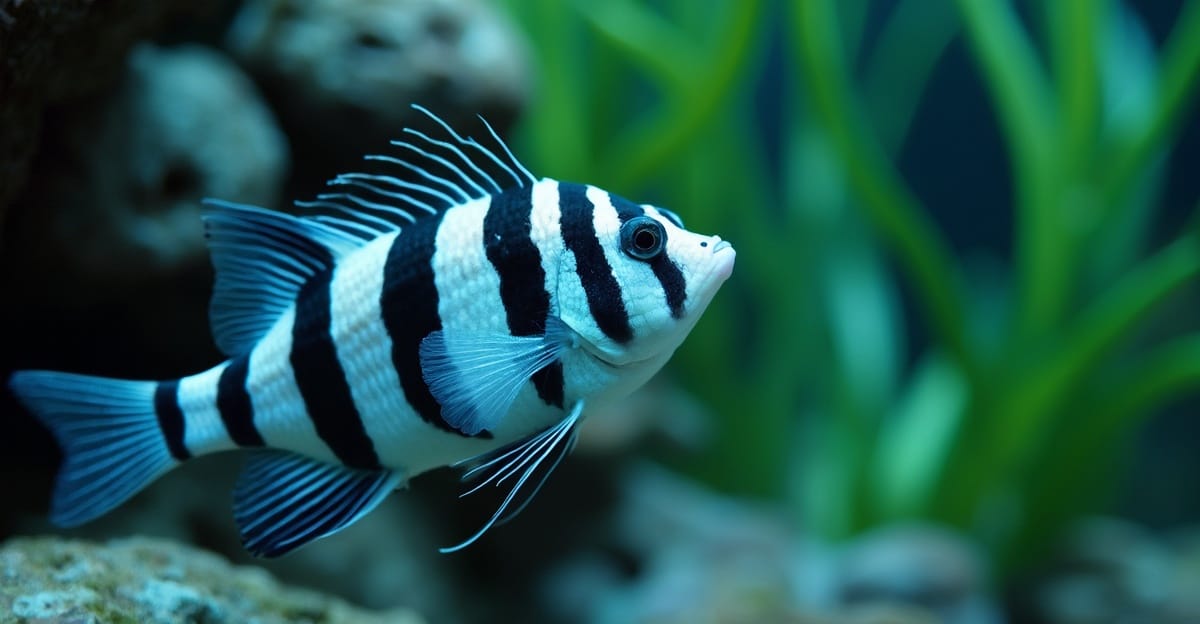
Banggai Cardinalfish display fascinating behavioral patterns that directly influence their interaction capabilities with aquarists. These small Indonesian natives exhibit predominantly sedentary lifestyles, preferring to hover near protective structures rather than actively swimming throughout their environment. Their calm temperament stems from evolutionary adaptations to coral reef environments where energy conservation and predator avoidance take precedence over exploration or complex social interactions.
Natural Social Structures and Mouthbrooding Behavior
The species demonstrates unique reproductive behaviors that significantly impact their territorial instincts and social dynamics. Male Banggai Cardinalfish serve as dedicated mouthbrooders, carrying fertilized eggs and developing fry within their oral cavities for extended periods. This remarkable parental investment creates heightened protective behaviors during breeding seasons, making males particularly territorial and less responsive to external stimuli. Understanding this natural cycle helps aquarists recognize when their fish may appear less interactive or more reclusive than usual.
Nocturnal Tendencies and Activity Patterns
These cardinalfish exhibit pronounced nocturnal preferences, becoming more active during dimmer lighting conditions. Their increased activity during twilight hours affects feeding schedules and optimal observation times for aquarists attempting to establish routines. The species’ natural circadian rhythms influence their responsiveness to environmental cues, making evening feeding sessions more successful for conditioning efforts. This behavioral pattern also explains why Banggai Cardinalfish may appear lethargic or unresponsive during bright daylight hours, which is completely normal for their species.
How to Train a Banggai Cardinalfish
Effective banggai cardinalfish training requires understanding that these fish respond to conditioning rather than complex behavioral modification. Their limited behavioral adaptability means success comes through establishing predictable routines and positive associations rather than teaching specific tricks or commands. The foundation of any conditioning program involves consistent timing, location, and environmental cues that help the fish anticipate feeding and interaction periods.
Establishing Feeding Routines and Visual Cues
Creating consistent feeding schedules represents the most effective approach to conditioning Banggai Cardinalfish. Begin by feeding at identical times daily, using the same location within the aquarium to establish spatial associations. Introduce a gentle tapping pattern on the tank glass or a specific hand gesture before each feeding session, allowing the fish to connect these visual cues with food arrival. This method leverages their natural feeding response while building predictable interaction patterns that reduce stress and increase responsiveness over time.
Gradual Food Introduction and Acceptance Training
Expanding dietary variety through systematic introduction helps condition Banggai Cardinalfish to accept new foods while maintaining their comfort levels. Start with familiar foods during established feeding times, then gradually introduce new options alongside preferred items. This approach uses positive reinforcement for fish through familiar tastes while encouraging dietary diversity. The process requires patience, as these fish may initially reject unfamiliar foods due to their cautious nature. Consistent presentation over several days typically results in acceptance, demonstrating their capacity for simple learning through repetition.
What Are Effective Training Techniques?
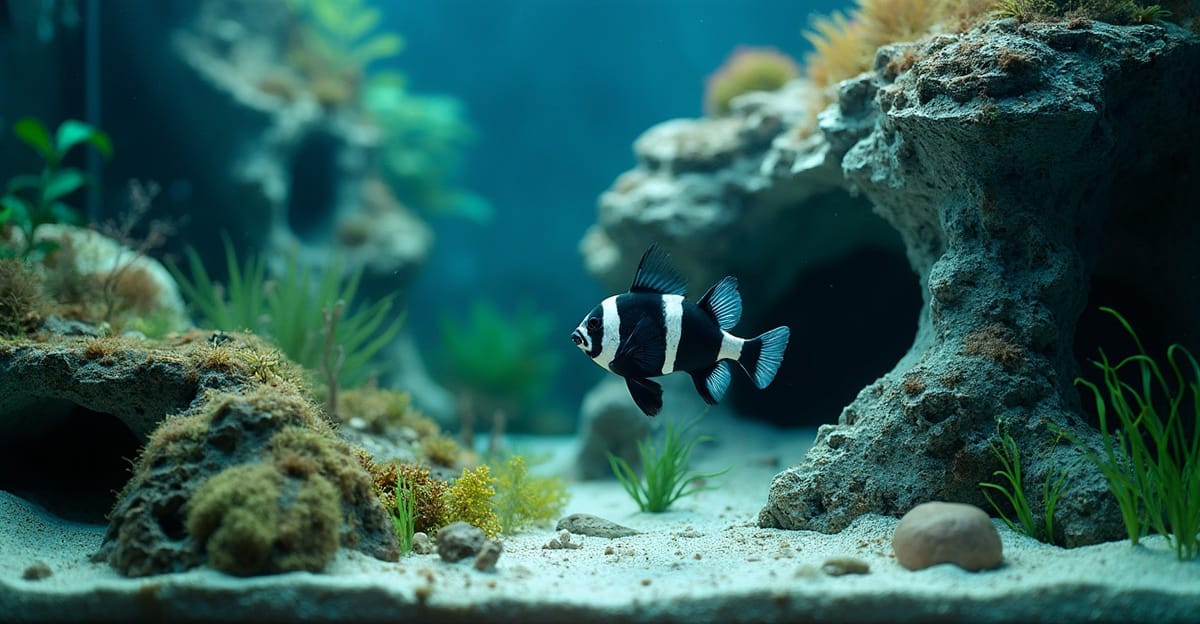
Successful techniques for interacting with Banggai Cardinalfish focus on environmental manipulation and simple conditioning methods that work within their behavioral limitations. These approaches emphasize fish training methods that respect their natural instincts while encouraging positive responses to human presence. The most effective strategies involve target training, environmental enrichment, and structured feeding protocols that create predictable interactions without overwhelming their limited adaptability.
Target Training and Feeding Direction
Target training represents one of the most successful fish training methods for Banggai Cardinalfish, involving the use of a specific object to guide them toward feeding locations. Using a colored chopstick or feeding stick, aquarists can direct fish to particular areas of the tank, reducing competition and ensuring all individuals receive adequate nutrition. The technique involves presenting the target tool near the desired feeding location while simultaneously offering food, creating associations between the visual cue and positive outcomes.
Live Rock Enrichment and Natural Stimulation
Implementing comprehensive aquarium enrichment ideas through strategic live rock placement and hiding spot creation stimulates natural exploration behaviors in Banggai Cardinalfish. These environmental modifications provide mental stimulation while respecting their preference for sheltered areas. Rotating decorations periodically introduces novelty without causing excessive stress, encouraging the fish to explore new territories at their own pace. Live rock structures also support beneficial bacteria growth and provide natural foraging opportunities that satisfy their carnivorous instincts through small invertebrate populations.
Is Your Banggai Cardinalfish Showing Stress Signs?
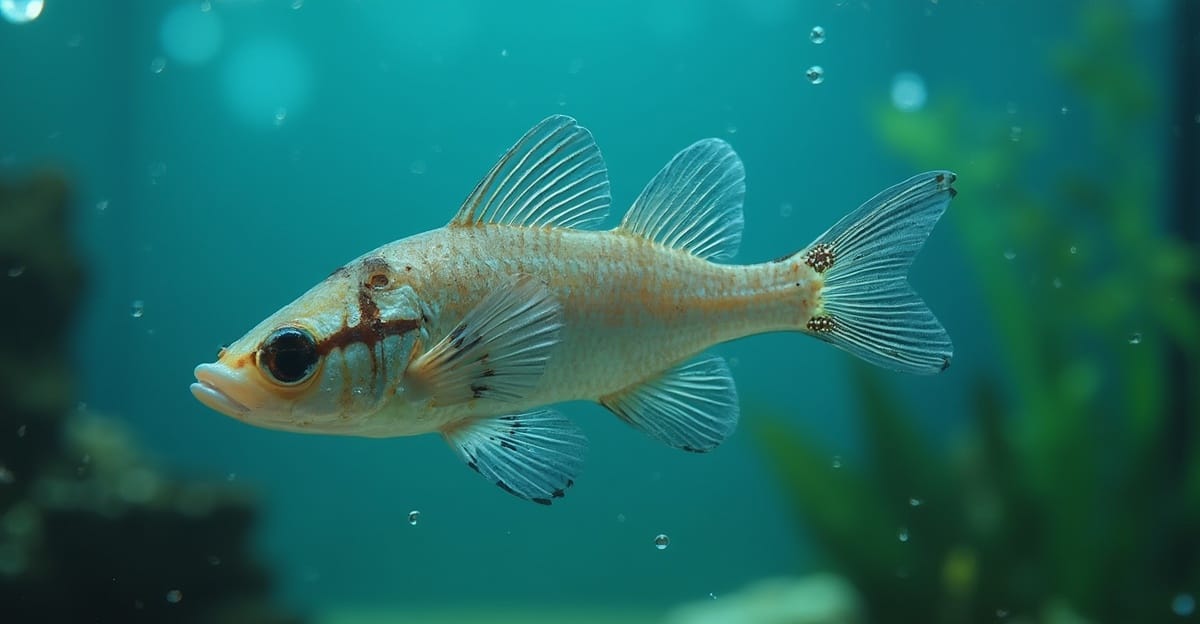
Recognizing stress indicators in Banggai Cardinalfish requires careful observation of subtle behavioral and physical changes that may indicate environmental problems or health issues. These fish often display stress through fish behavior signs that can be easily overlooked by inexperienced aquarists. Early identification of stress symptoms allows for prompt intervention and prevents more serious health complications that could affect their overall well-being and responsiveness to conditioning efforts.
Physical Stress Indicators and Health Concerns
Clamped fins represent one of the most common physical stress signs in Banggai Cardinalfish, where the fins appear pressed tightly against the body rather than naturally extended. Rapid gill movement beyond normal breathing patterns indicates respiratory distress, often caused by poor water quality or inadequate oxygenation. Fading colors, particularly the distinctive black stripes that characterize the species, signal significant stress or potential illness requiring immediate attention. These physical changes typically accompany behavioral modifications and should prompt comprehensive water testing and environmental assessment.
Behavioral Changes and Environmental Responses
Excessive hiding behavior, especially during normal feeding times, indicates environmental stress or incompatible tank conditions. While Banggai Cardinalfish naturally prefer sheltered areas, complete withdrawal from normal activities suggests underlying problems. Loss of appetite or refusal to accept previously favored foods often accompanies stress responses and may indicate the need for environmental adjustments. Erratic swimming patterns, including darting movements or unusual positioning within the water column, typically reflect anxiety or discomfort with current tank conditions.
Frequently Asked Questions
Are Banggai Cardinalfish easy to train?
Banggai Cardinalfish have low behavioral adaptability, meaning they are not easily ‘trained’ in the traditional sense. Their intelligence is geared towards survival in their natural habitat. While they can be conditioned to routines like feeding times and specific feeding locations, complex tricks or behaviors are generally beyond their capacity. Focus on creating a stable, enriching environment rather than attempting advanced training.
How long does it take to train a Banggai Cardinalfish?
Conditioning a Banggai Cardinalfish to a routine, such as recognizing a feeding cue or target, can take a few days to a couple of weeks of consistent effort. Their learning is based on repetition and positive association. More complex behaviors are unlikely to be learned. Patience and consistency are key, but expectations should be realistic given their inherent behavioral limitations.
What are common Banggai Cardinalfish behavior problems?
Common behavioral issues in Banggai Cardinalfish often stem from stress or improper tank conditions. These can include excessive hiding, refusal to eat, aggression towards tank mates (especially if overcrowded or incompatible), or erratic swimming. These are usually signs that their environment needs adjustment, such as more hiding spots, better water quality, or a review of tank mate compatibility. Consult a vet if health concerns arise.
Can Banggai Cardinalfish be trained to recognize feeding times?
Yes, Banggai Cardinalfish can be conditioned to recognize specific feeding times and even a particular feeding spot. By consistently feeding them at the same time each day and in the same area, they will learn to associate these cues with food. Using a visual cue, like a specific hand motion or a feeding stick, just before food is introduced can further reinforce this conditioning.
Conclusion
Banggai Cardinalfish represent beautiful additions to saltwater aquariums, though their limited trainability requires adjusted expectations and specialized approaches. Success with these Indonesian natives comes through environmental enrichment, consistent routines, and patient conditioning rather than complex behavioral training. Their sedentary nature and preference for sheltered environments make them ideal candidates for structured feeding protocols and simple target training exercises. Providing adequate hiding spots, compatible tank mates, and maintaining optimal water conditions ensures their well-being while maximizing their responsiveness to human interaction. Regular monitoring for stress signs allows aquarists to address environmental issues before they impact the fish’s health and behavior. The key to successful banggai cardinalfish training lies in working within their natural behavioral patterns rather than against them, creating positive associations through consistent care and environmental stability. Understanding their unique characteristics and limitations helps aquarists develop realistic expectations while still enjoying meaningful interactions with these captivating marine creatures. See how the Banggai Cardinalfish’s trainability stacks up against similar breeds using our Pet Comparison Tool — compare behavior, intelligence, and care needs side by side.
Sources & References
⚠️ This article is for informational purposes only and does not replace professional veterinary advice. Always consult a qualified vet for your pet’s health needs.