
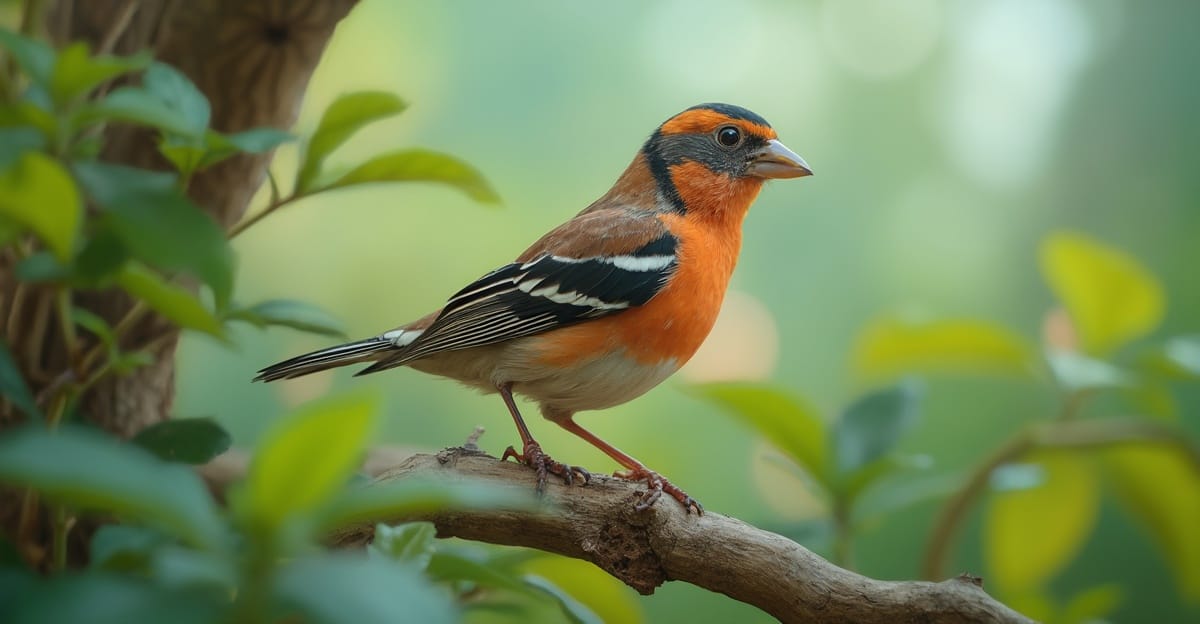
Understanding Zebra Finch Health and Lifespan
These vibrant Australian natives may appear robust, but zebra finch health problems can develop rapidly and often remain hidden until they become serious. Understanding the unique health challenges facing these small granivorous birds is essential for any owner committed to providing quality care. From respiratory infections to stress-related feather plucking, Zebra Finches face specific health risks that require vigilant monitoring and proactive management. Explore the common zebra finch health problems, their typical lifespan of 5-10 years, and how proactive care can ensure your small companion thrives. This article will guide you through recognizing illness, preventative measures, and when to seek specialized avian veterinary care.
Table of Contents
Key Takeaways
- Zebra Finches have a lifespan of 5-10 years, heavily influenced by diet, environment, and veterinary care.
- Common health issues include respiratory infections, feather plucking, and bacterial infections, often exacerbated by stress or poor husbandry.
- Early detection of illness is crucial, as finches instinctively hide symptoms until conditions are advanced.
- Regular annual check-ups with an avian veterinarian are essential for preventive care and early intervention, costing approximately $65-$135 per visit.
Quick Facts
| Size Category | Very Small |
| Origin | Australia |
| Diet Type | Granivore |
| Out Of Cage Min Hours | 0 |
| Beginner Friendly | beginner-friendly |
| Breed Lifespan | 5-10 years |
| Breed Top 3 Conditions | respiratory infections, feather plucking, bacterial infections |
| Breed Annual Vet Cost | $65-135 |
Common Health Issues in Zebra Finches
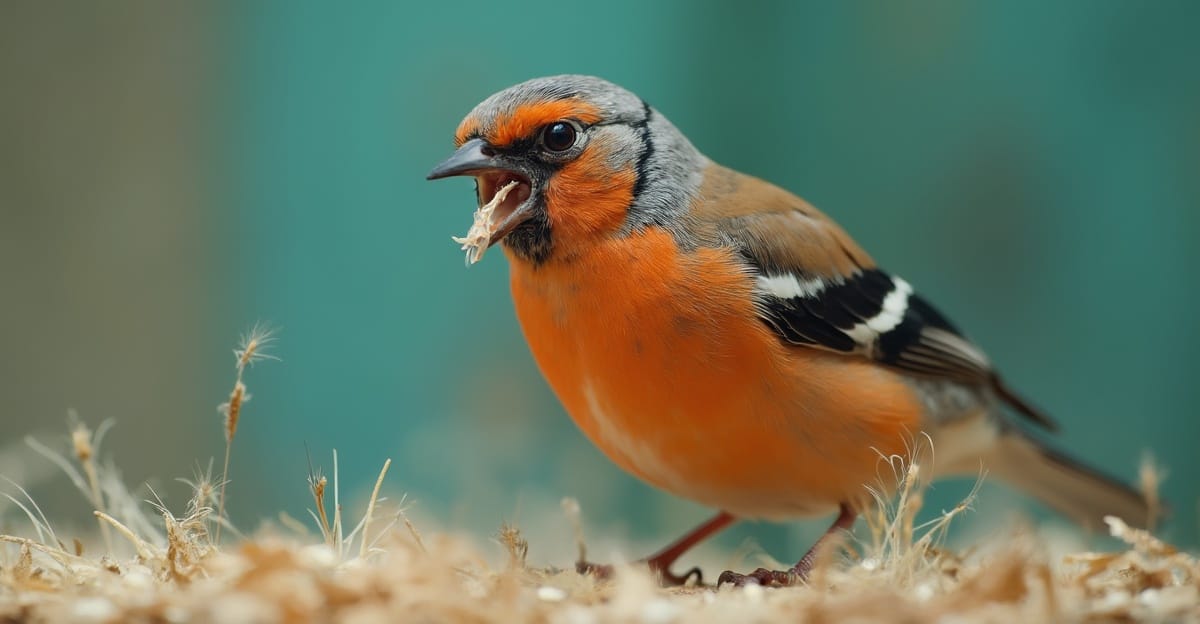
Zebra finch health problems typically manifest in three primary areas that require immediate attention from owners. Respiratory infections top the list of concerns for these delicate birds, often developing from seemingly minor environmental factors. Poor cage ventilation, dust accumulation, temperature fluctuations, or exposure to aerosols can trigger respiratory distress that progresses rapidly. Unlike larger birds, Zebra Finches cannot tolerate respiratory compromise for extended periods due to their high metabolic rate and small lung capacity.
Respiratory System Vulnerabilities
The respiratory system of Zebra Finches operates differently from mammals, making them particularly susceptible to airborne pathogens and environmental irritants. Their air sacs and hollow bones create an efficient but vulnerable breathing system that can become compromised quickly. Symptoms often begin subtly with slight tail bobbing during breathing, progressing to open-mouth breathing and audible wheezing. According to the Association of Avian Veterinarians, respiratory infections account for nearly 40% of emergency avian visits, with small finches being disproportionately affected.
Bacterial Infections and Digestive Health
Gastrointestinal bacterial infections represent another significant threat to Zebra Finch health, frequently stemming from contaminated food sources or unclean water systems. These granivorous birds have sensitive digestive systems adapted for processing small seeds, making them vulnerable to bacterial overgrowth when their diet becomes compromised. Contaminated millet, old seed mixes, or water bottles that haven’t been properly cleaned can introduce harmful bacteria that multiply rapidly in the warm, moist environment of the bird’s digestive tract. Changes in dropping consistency, color, or frequency often signal the onset of bacterial infections that require immediate veterinary intervention.
How to Prevent Respiratory Infections in Zebra Finches
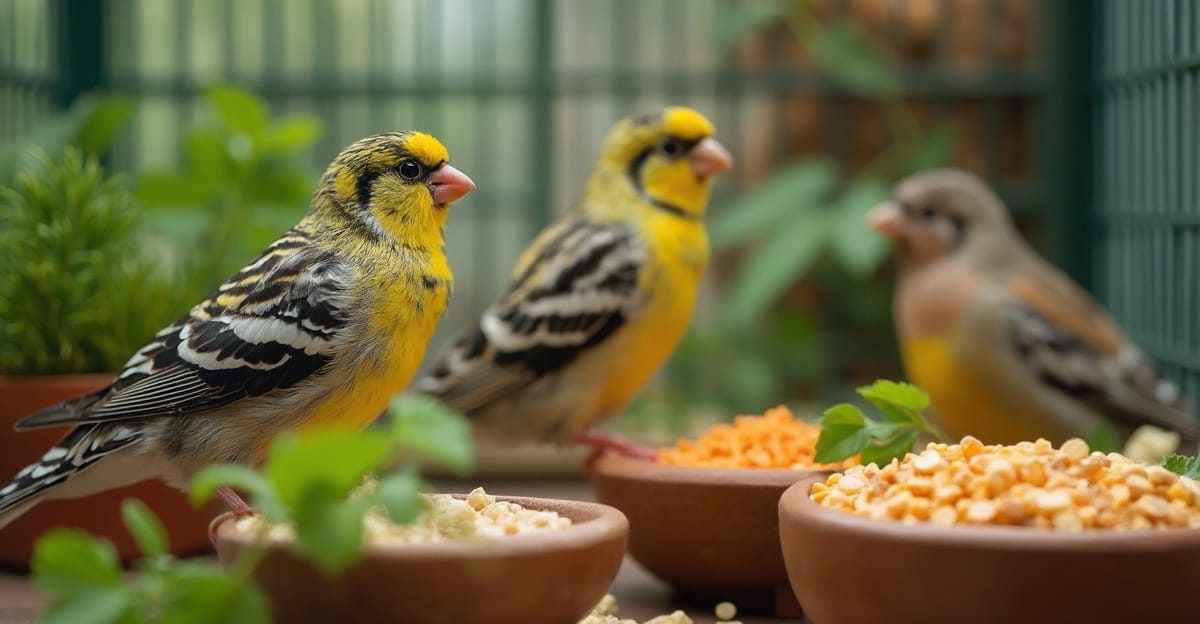
Prevention strategies for respiratory health in Zebra Finches focus on maintaining optimal environmental conditions that support their sensitive breathing systems. Temperature consistency proves critical, as these Australian natives require stable conditions between 65-75°F (18-24°C) to maintain proper respiratory function. Sudden temperature drops or drafts can stress their respiratory system, creating opportunities for pathogens to establish infections. The placement of the cage away from air conditioning vents, windows, and high-traffic areas helps maintain the stable environment these birds require.
Environmental Controls and Air Quality
Air quality management extends beyond temperature control to include humidity regulation and pollutant elimination. Zebra Finches thrive in moderate humidity levels between 40-60%, which can be maintained through proper ventilation without creating drafts. Kitchen fumes, cleaning products, aerosol sprays, and cigarette smoke pose serious threats to their respiratory health and must be eliminated from their environment. The ASPCA emphasizes that birds are 10 times more sensitive to airborne toxins than humans, making air quality management a critical component of preventive care.
Cage Hygiene and Maintenance Protocols
Daily cleaning routines significantly reduce the pathogen load in the cage environment, directly impacting respiratory health outcomes. Fresh paper should replace cage liners daily, with food and water containers receiving thorough cleaning every 24 hours. Weekly deep cleaning involves disinfecting perches, toys, and cage bars with bird-safe disinfectants recommended by veterinary professionals. The VCA Animal Hospitals recommend using a 10% bleach solution followed by thorough rinsing and complete drying to eliminate bacterial and fungal spores that can trigger respiratory infections.
What to Do If Your Zebra Finch Plucks Feathers
Feather plucking in finches represents a complex behavioral and medical issue that requires systematic evaluation to identify underlying causes. Unlike larger parrots, Zebra Finches rarely engage in severe self-mutilation, but persistent plucking can indicate serious health or environmental problems. The first step involves ruling out external parasites through careful visual inspection and professional veterinary examination. Mites, lice, and other ectoparasites can cause intense itching that drives compulsive plucking behaviors, particularly around the head and neck areas where birds cannot preen effectively.
Nutritional Assessment and Dietary Corrections
Nutritional deficiencies frequently contribute to feather plucking behaviors, as healthy feather development requires specific vitamins, minerals, and amino acids. A high-quality finch seed mix should form the foundation of their granivore diet, supplemented with fresh dark leafy greens, calcium sources, and occasional protein treats. Vitamin A deficiency, common in seed-only diets, can cause skin irritation and poor feather quality that leads to excessive preening and plucking. PetMD recommends incorporating orange and yellow vegetables, properly prepared, to boost vitamin A levels naturally.
Environmental Stressors and Social Needs
The highly social nature of Zebra Finches means that isolation or inadequate companionship can trigger stress-related behaviors including feather plucking. These birds require constant social interaction, either with cage mates or through regular human engagement when housed individually. Cage size plays a crucial role, as the minimum dimensions of 61W × 41D × 51H cm barely provide adequate space for a single bird, while pairs require significantly larger accommodations. Overcrowding, insufficient perching options, or lack of environmental enrichment can create chronic stress that manifests as repetitive behaviors including feather manipulation.
Is Your Zebra Finch Showing Signs of Stress?
Stress recognition in Zebra Finches requires understanding their natural behavioral patterns and identifying deviations that signal environmental or health problems. These highly social birds exhibit specific stress responses that differ from larger, more expressive species. Excessive hiding, particularly during daylight hours when finches are naturally active, indicates significant stress or illness. Healthy Zebra Finches maintain active social interactions throughout the day, engaging in mutual preening, foraging behaviors, and vocal communication with cage mates.
Behavioral Indicators and Environmental Assessment
Repetitive behaviors such as pacing, excessive seed scattering, or aggressive interactions with cage mates signal environmental inadequacies or social stress. The cage environment should provide multiple perching levels, foraging opportunities, and adequate space for flight exercise within the enclosure. Natural branch perches of varying diameters promote foot health and provide environmental enrichment that reduces boredom-related stress. Noise levels, lighting cycles, and cage placement all influence stress levels, with finches requiring consistent 10-12 hour light cycles and protection from sudden loud noises or predator-like shadows.
Social Dynamics and Companion Management
Zebra Finch social needs extend beyond simple companionship to include appropriate group dynamics and hierarchy establishment. Introducing new birds requires careful quarantine protocols and gradual integration to prevent aggressive behaviors and territorial disputes. Single birds often develop abnormal behaviors including excessive vocalization, feather plucking, and depression-like symptoms that can compromise their immune system and overall health. The Association of Avian Veterinarians recommends housing Zebra Finches in pairs or small groups whenever possible, as their mental health directly impacts their physical well-being and resistance to common zebra finch health problems.
Frequently Asked Questions
What health problems do Zebra Finches have?
Zebra Finches are prone to respiratory infections, often caused by poor air quality or temperature fluctuations. Feather plucking can indicate stress, parasites, or nutritional deficiencies. They can also suffer from bacterial infections, particularly gastrointestinal issues, which are frequently linked to contaminated food or water sources. Regular monitoring of their environment and diet is crucial for prevention.
How long do Zebra Finches live?
The average lifespan for a Zebra Finch ranges from 5 to 10 years, with proper care being a significant factor. A balanced granivore diet, a clean and appropriately sized cage (minimum 61W × 41D × 51H cm), consistent temperature, and regular veterinary check-ups contribute significantly to extending their life. Genetics and environmental stressors also play a role in their longevity.
How much does a Zebra Finch vet visit cost?
An annual veterinary exam for a Zebra Finch typically ranges from $65 to $135. This cost can vary based on your location, the specific avian veterinarian’s fees, and any additional tests or treatments required. It’s important to budget for these regular check-ups to ensure early detection and treatment of potential health issues, as birds often hide symptoms until advanced stages.
Why do Zebra Finches pluck their feathers?
Feather plucking in Zebra Finches can stem from several issues. It might be a sign of external parasites like mites, a nutritional imbalance in their granivore diet, or underlying skin conditions. Environmental stressors such as an overly small cage, lack of enrichment, loneliness (as they are highly social and need companions), or even boredom can also lead to this behavior. An avian vet can help determine the exact cause.
Conclusion
Proactive care forms the foundation of preventing zebra finch health problems and maximizing their quality of life throughout their 5-10 year lifespan. Environmental management, including consistent temperature control, excellent air quality, and appropriate cage sizing, directly impacts their susceptibility to respiratory infections and stress-related conditions. Nutritional vigilance through high-quality granivore diets supplemented with fresh vegetables and calcium sources supports immune function and prevents deficiency-related health issues. Social needs cannot be overlooked, as these highly social birds require companionship and environmental enrichment to maintain psychological well-being. Regular monitoring for subtle behavioral changes enables early intervention before conditions progress to advanced stages. Annual veterinary examinations with certified avian specialists provide professional assessment and preventive care that can identify potential problems before they become life-threatening emergencies. Use our Pet Age Calculator to discover your Zebra Finch’s life stage, potential health risks, and what to watch for at their current age.
Sources & References
This article is for informational purposes only and does not constitute veterinary advice. Always consult a qualified veterinarian for health concerns specific to your Zebra Finch.