
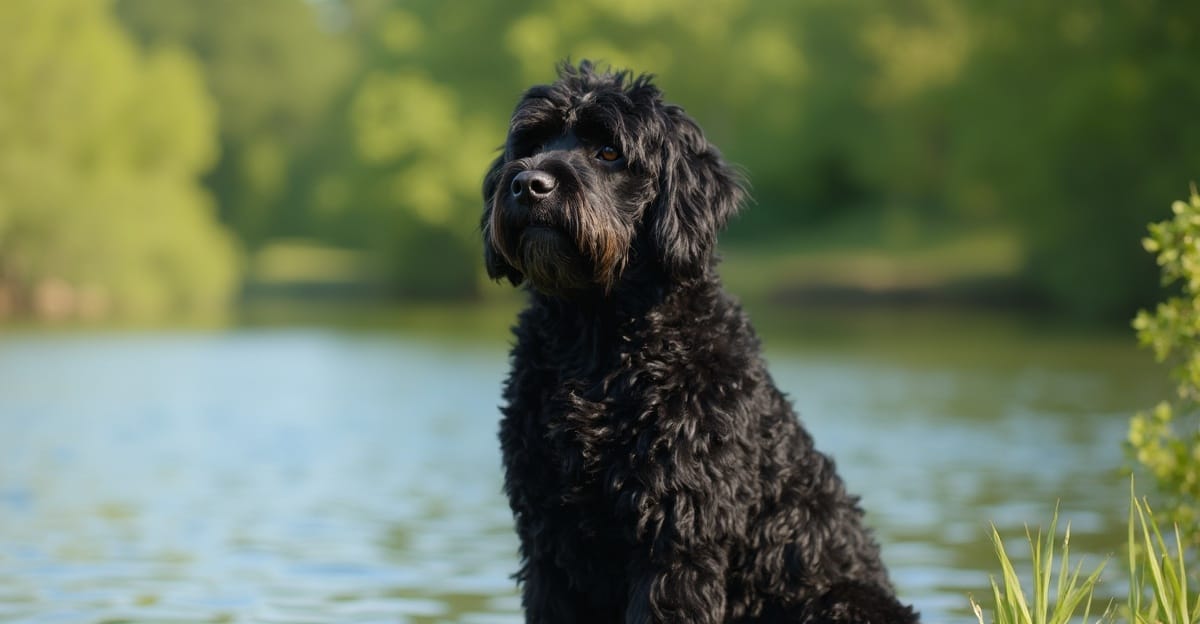
Understanding Your Portuguese Water Dog’s Behavior
The Portuguese Water Dog captivates owners with their boundless enthusiasm and unwavering loyalty, yet their complex behavioral needs can surprise even experienced dog parents. These athletic companions from Portugal’s coastal regions bring a unique blend of intelligence, energy, and affection that requires understanding to nurture properly. While their portuguese water dog behavior patterns stem from centuries of working alongside fishermen, modern PWDs channel these instincts into family life with remarkable adaptability. Their very high energy levels and strong social bonds create both delightful companionship and potential challenges that every Portuguese Water Dog owner should anticipate and address proactively.
Table of Contents
Key Takeaways
- Portuguese Water Dogs are highly energetic and require significant daily exercise to prevent destructive behaviors.
- Early and consistent socialization is crucial for PWDs to develop into well-adjusted companions, especially given their territorial tendencies.
- Their high intelligence and trainability make them excel in various dog sports, but also mean they need consistent mental stimulation.
- PWDs are prone to separation anxiety due to their affectionate nature and need for companionship, manifesting as barking or destructive acts.
Quick Facts
| Size Category | Medium |
| Origin | Portugal |
| Hypoallergenic | no |
| Energy Level | very high energy |
| Trainability | highly trainable |
| Breed Separation Anxiety Signs | excessive barking, destructive behavior, and clinginess when left alone |
| Breed Aggression Triggers | fear, lack of socialization, and territorial behavior |
| Breed Destructive Behavior | chewing furniture, digging, and excessive barking when bored or anxious |
What are Common Portuguese Water Dog Behaviors?

Portuguese Water Dogs exhibit distinctive behavioral patterns rooted in their working heritage and natural temperament. Understanding these core traits helps owners recognize normal behaviors versus concerning issues that may require intervention.
High Energy and Exercise Requirements
The most defining characteristic of portuguese water dog behavior is their exceptional energy level. These dogs were bred to work tirelessly alongside Portuguese fishermen, swimming in rough Atlantic waters and retrieving nets and tackle. This heritage translates into modern PWDs requiring 60-90 minutes of vigorous daily exercise to maintain behavioral balance. Without adequate physical outlet, they quickly develop problematic behaviors including excessive barking, destructive chewing, and restlessness that can disrupt household harmony.
Their exercise needs extend beyond simple walks. Portuguese Water Dogs thrive on activities that engage their natural swimming instincts and herding tendencies. Swimming sessions, vigorous fetch games, and interactive play with family members satisfy their physical requirements while strengthening the human-dog bond. Owners who underestimate these needs often find themselves dealing with a frustrated, destructive companion rather than the well-adjusted family dog PWDs can become.
Intelligence and Mental Stimulation Needs
Portuguese Water Dogs rank among the most intelligent and trainable dog breeds, demonstrating remarkable problem-solving abilities and eagerness to learn. This intelligence becomes a double-edged sword requiring consistent mental challenges to prevent boredom-induced mischief. Their cognitive abilities mean they quickly master basic commands but also need advanced training, puzzle toys, and varied activities to stay mentally satisfied.
Their quiet nature generally makes them pleasant household companions, but their intelligence can lead to creative problem-solving that owners might not appreciate. A bored PWD might figure out how to open cabinets, escape yards, or manipulate family members for attention. Providing appropriate mental outlets through training sessions, interactive toys, and dog sports channels their intelligence constructively while preventing unwanted behaviors.
Affectionate and Social Nature
The very affectionate nature of Portuguese Water Dogs creates both their most endearing quality and potential behavioral challenges. These dogs form intense bonds with their families and genuinely want to participate in all household activities. Their companion dog traits make them excellent family pets, but this attachment can become problematic when they cannot accept being left alone or excluded from family activities.
Their social needs extend beyond simple companionship to active engagement with their human pack. PWDs often follow family members from room to room, seek physical contact, and become distressed when separated from their people. This behavior stems from their working history where they maintained close partnerships with their handlers, making independence a learned skill rather than a natural inclination.
How to Manage Separation Anxiety in Portuguese Water Dogs
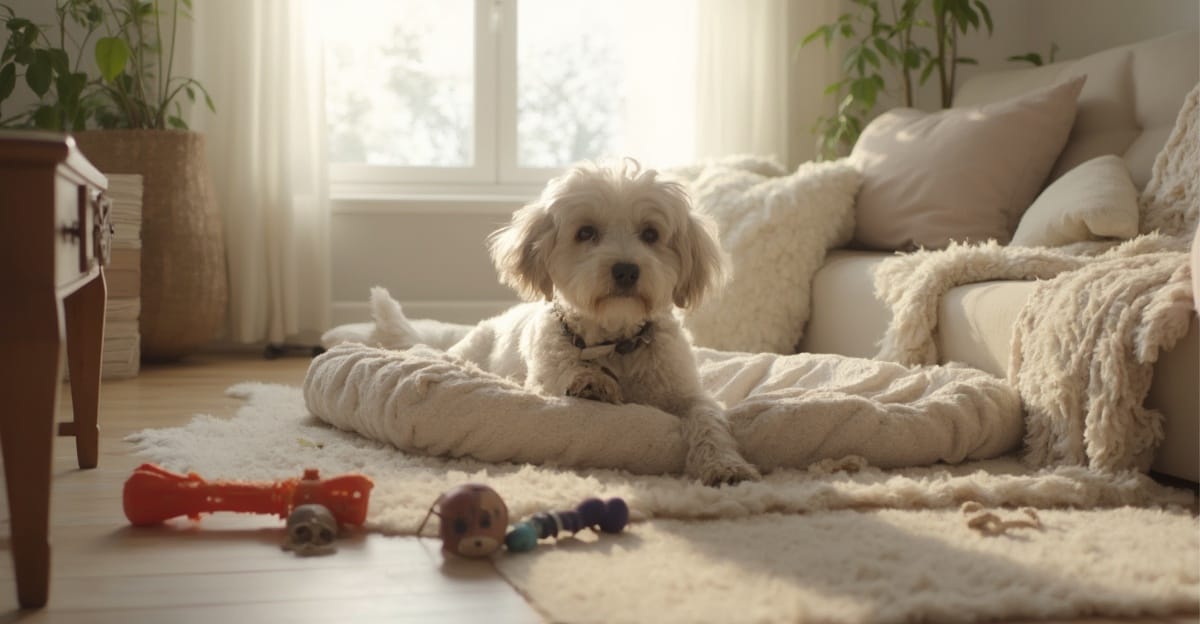
Separation anxiety represents one of the most common behavioral challenges facing Portuguese Water Dog owners. Their intense bonding tendencies and need for companionship create vulnerability to distress when left alone, requiring proactive management strategies.
Recognizing Separation Anxiety Signs
Portuguese Water Dogs display distinctive separation anxiety symptoms that owners must learn to identify early. Excessive barking often begins within minutes of departure, escalating to prolonged vocalizations that can disturb neighbors and indicate genuine distress. Destructive behavior typically targets items with the owner’s scent, including furniture, clothing, or household items, representing the dog’s attempt to cope with anxiety through familiar smells.
Clinginess when owners return home provides another clear indicator, with affected dogs becoming shadow-like in their attachment, refusing to leave their owner’s side even for brief moments. Some PWDs also exhibit house soiling despite being fully housetrained, as anxiety overrides their normal bathroom habits. Understanding these signs helps owners differentiate between separation anxiety and other dog behavior problems requiring different interventions.
Gradual Desensitization Techniques
Successful separation anxiety management requires systematic desensitization beginning with very brief departures. Start by leaving your Portuguese Water Dog alone for just 5-10 minutes, gradually increasing duration as they demonstrate calm acceptance. This process cannot be rushed, as moving too quickly can worsen anxiety and undermine progress.
Create positive associations with departure cues by practicing putting on coats, picking up keys, or other leaving rituals without actually departing. This helps reduce the anticipatory anxiety that often begins before owners even leave. Establish a consistent routine that signals departure and return, helping your PWD understand that separations are temporary and predictable rather than abandonment.
Environmental Management and Enrichment
Physical and mental exhaustion before departures significantly reduces separation anxiety intensity. A tired Portuguese Water Dog has less energy for anxious behaviors and more likelihood of resting during your absence. Schedule vigorous exercise sessions or training activities 30-60 minutes before leaving to promote calmness.
Environmental enrichment tools provide crucial distraction and comfort during alone time. Puzzle toys filled with treats, frozen Kong toys, or special chew items reserved only for departures create positive associations with being alone. Some PWDs benefit from background noise like classical music or television to mask external sounds that might trigger anxiety. Creating a comfortable, secure space with familiar bedding and toys helps establish a safe zone where your dog can relax during your absence.
Is Aggression Common in Portuguese Water Dogs?
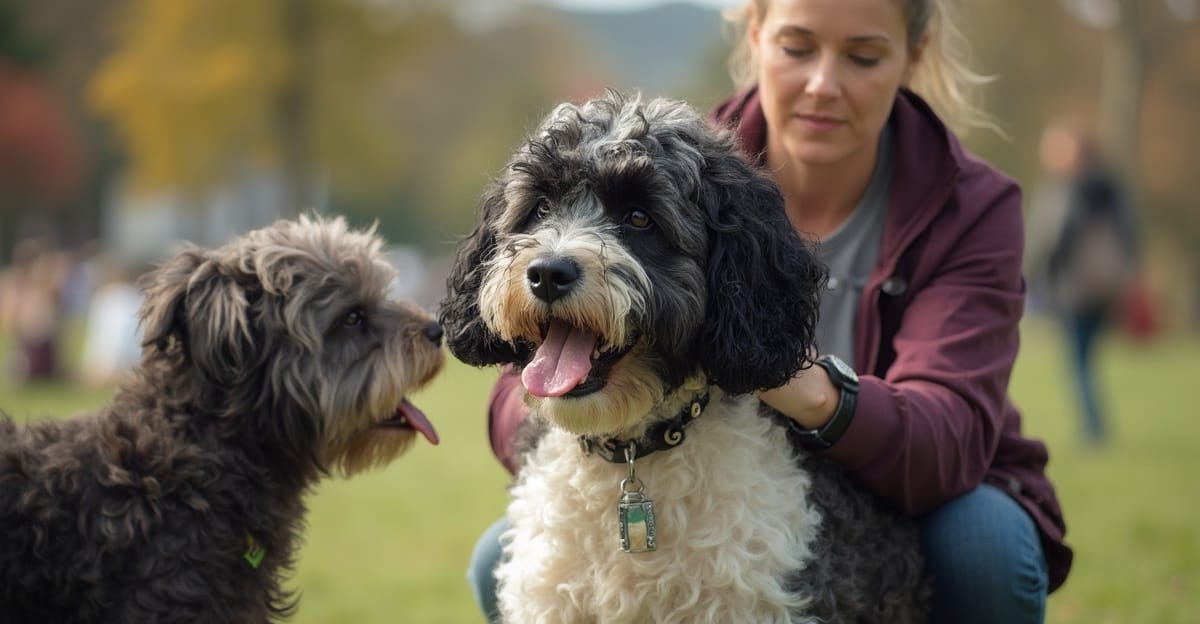
While Portuguese Water Dogs generally exhibit friendly, stable temperaments, certain circumstances can trigger aggressive behaviors that require immediate attention and professional intervention when severe.
Understanding Aggression Triggers
Fear-based aggression often develops in Portuguese Water Dogs lacking proper early socialization. Their territorial behavior can manifest as aggression toward strangers approaching their home or family, particularly if they haven’t learned to distinguish between genuine threats and normal social interactions. This protective instinct, while valuable in working contexts, requires careful management in family settings to prevent inappropriate responses.
Lack of socialization during critical developmental periods creates lasting behavioral challenges. PWDs who miss early exposure to diverse people, animals, and environments may react aggressively to unfamiliar situations throughout their lives. Their intelligence makes them capable of learning complex social rules, but also means they can develop sophisticated fear responses that become difficult to modify without professional help.
Resource Guarding and Territorial Issues
Resource guarding represents another potential aggression trigger in Portuguese Water Dogs, particularly around high-value items like food, toys, or favorite resting spots. Their strong food drive and possessive tendencies can escalate into aggressive displays if not addressed early through proper training and management techniques.
Territorial aggression may emerge as PWDs mature, especially in dogs with insufficient socialization or unclear household boundaries. Their natural protective instincts can become problematic when directed inappropriately toward delivery personnel, visitors, or other dogs in their perceived territory. Consistent training and clear leadership help channel these protective instincts appropriately while maintaining the dog’s natural alertness.
Prevention and Management Strategies
Early socialization provides the most effective prevention against aggression in Portuguese Water Dogs. Exposing puppies to diverse experiences, people, and animals during their critical socialization period builds confidence and appropriate social responses. Adult dogs with limited socialization can still benefit from careful, gradual exposure programs under professional guidance.
Ensuring adequate physical and mental exercise prevents frustration-based aggression that can develop in under-stimulated high energy dogs. A Portuguese Water Dog with unmet exercise needs may redirect their energy into aggressive displays, making consistent activity schedules crucial for behavioral stability. Professional training focusing on impulse control, leadership establishment, and appropriate social responses provides essential tools for managing and preventing aggressive behaviors.
Tips for Training a Portuguese Water Dog
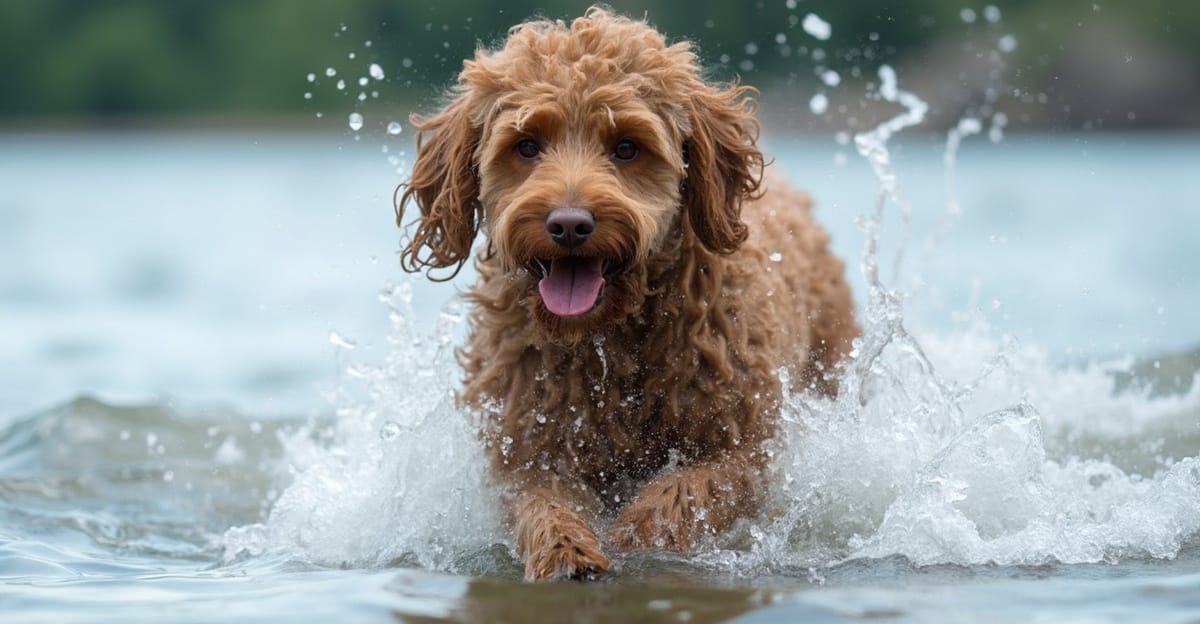
Portuguese Water Dogs excel in training environments that leverage their intelligence, energy, and eagerness to please, making them rewarding students for owners who understand their unique learning style and motivational needs.
Positive Reinforcement and Motivation
Portuguese Water Dogs respond exceptionally well to positive reinforcement training methods that utilize their natural desire to please and work alongside their handlers. Their high intelligence means they quickly understand cause-and-effect relationships, making reward-based training both effective and enjoyable for dog and owner. Treats, praise, and play serve as powerful motivators, but the key lies in timing rewards precisely to reinforce desired behaviors.
Their working heritage makes them particularly responsive to training that incorporates job-like activities or challenges. Rather than simple repetitive exercises, PWDs thrive on varied training sessions that feel like games or work assignments. This approach maintains their interest while building reliable obedience and behavioral responses that transfer to daily life situations.
Socialization and Confidence Building
Early and ongoing socialization forms the foundation of successful Portuguese Water Dog training. Their naturally confident but sometimes territorial nature requires careful exposure to diverse people, animals, environments, and experiences to develop appropriate social responses. Puppy socialization classes provide structured environments for learning proper dog-to-dog communication while building confidence around strangers.
Adult PWDs benefit from continued socialization opportunities through training classes, dog sports, or supervised social gatherings. Their intelligence allows them to learn complex social rules, but they need consistent practice to maintain appropriate responses. Regular exposure to new situations prevents the development of fear-based behaviors while reinforcing their natural adaptability and confidence.
Water-Based Training and Natural Instincts
Incorporating water-based activities into training sessions capitalizes on Portuguese Water Dogs’ natural swimming instincts and creates highly motivating learning experiences. Swimming retrievals, dock diving practice, or even simple water play can serve as powerful training rewards while providing essential physical exercise. These activities feel instinctively satisfying to PWDs, making them eager participants in training programs that include water work.
Their natural affinity for water-related activities provides unique training opportunities unavailable with most other breeds. Teaching water safety, swimming retrievals, or even basic water rescue skills satisfies their working instincts while building stronger handler-dog relationships. This specialized training also provides excellent physical conditioning and mental stimulation that contributes to overall behavioral stability and satisfaction.
Frequently Asked Questions
Are Portuguese Water Dogs prone to separation anxiety?
Yes, Portuguese Water Dogs are highly prone to separation anxiety due to their strong desire for companionship and affectionate nature. They often form deep bonds with their owners and can become distressed when left alone. Signs include excessive barking, destructive chewing, house soiling, and clinginess upon your return. Gradual desensitization and ample exercise before departures can help manage this.
How do I stop my Portuguese Water Dog from being destructive?
Destructive behavior in Portuguese Water Dogs often stems from boredom, excess energy, or anxiety. Ensure your PWD receives at least 60-90 minutes of vigorous exercise daily, including mental stimulation through training or puzzle toys. Address separation anxiety with gradual desensitization. Provide appropriate chew toys and redirect unwanted chewing immediately. Consistent training and a structured routine are key.
What activities do Portuguese Water Dogs enjoy?
Portuguese Water Dogs are highly active and intelligent, thriving on activities that engage both their bodies and minds. They naturally love water, so swimming, dock diving, and retrieving from water are favorites. They also excel in dog sports like agility, obedience, flyball, and tracking. Long hikes, vigorous fetch sessions, and puzzle toys are excellent ways to keep them entertained and well-behaved.
Why does my Portuguese Water Dog bark excessively?
Excessive barking in Portuguese Water Dogs can be attributed to several factors. It might be a sign of separation anxiety when left alone, a territorial response to perceived threats, or a demand for attention due to boredom or insufficient exercise. Ensure their physical and mental needs are met, address anxiety with training, and consider professional guidance if barking persists or becomes problematic.
Understanding portuguese water dog behavior requires recognizing their unique combination of intelligence, energy, and devotion that creates both wonderful companionship and specific challenges. These remarkable dogs thrive when their physical exercise needs are met through swimming, vigorous play, and meaningful activities that engage their working heritage. Their highly trainable nature makes them excellent candidates for obedience training, dog sports, and behavioral modification when problems arise.
Successful Portuguese Water Dog ownership depends on addressing their intense social needs and tendency toward separation anxiety through gradual training and environmental management. Early socialization prevents many behavioral issues while channeling their natural territorial instincts appropriately. When owners understand and meet their PWD’s complex needs for physical activity, mental stimulation, and companionship, they discover a loyal, intelligent partner capable of adapting to family life while retaining their distinctive working dog characteristics.
For those considering this breed or working through behavioral challenges, remember that portuguese water dog health problems can sometimes influence behavior, while understanding how much does a portuguese water dog cost helps prepare for training investments. Professional portuguese water dog training tips can provide additional guidance for specific behavioral concerns.
Conclusion
Curious how the Portuguese Water Dog compares to other breeds in temperament? Try our Pet Comparison Tool for a side-by-side visual breakdown.
Sources & References
⚠️ This article is for informational purposes only and does not replace professional veterinary advice. Always consult a qualified vet for your pet’s health needs.