

Effective Training Methods for Your Lovebird
Training a lovebird successfully transforms these vibrant, social African natives from cage companions into truly interactive pets. With their moderately affectionate nature and highly social needs, lovebirds present unique training opportunities and challenges that require specific approaches. Understanding their moderate bite risk and need for consistent socialization helps establish realistic expectations for the 4-8 week initial taming process. Through proven positive reinforcement techniques and patient guidance, you can develop a rewarding relationship with your lovebird while addressing common behavioral concerns like biting and jealousy. This comprehensive guide provides step-by-step methods for effective lovebird training, from basic taming to advanced behavioral management.
Table of Contents
Key Takeaways
- Lovebirds require a consistent and patient approach to training, often taking 4-8 weeks for initial taming.
- Positive reinforcement is crucial for Lovebirds, as they respond best to rewards like millet sprays or favorite treats.
- Common Lovebird behavioral issues, such as biting or jealousy, often stem from inadequate socialization or attention.
- While Lovebirds primarily communicate through chirps and whistles, consistent interaction can foster a stronger bond and reduce problem behaviors.
Quick Facts
| Size Category | Small |
| Origin | Africa |
| Diet Type | Seed-based |
| Out Of Cage Min Hours | 2 |
| Beginner Friendly | some experience needed |
| breed behavioral problems | common issues include biting if not properly socialized, and potential jealousy if not given enough attention |
| breed speech ability | minimal to no speech ability, primarily communicates through chirps and whistles |
| breed taming timeline weeks | 4-8 weeks for initial taming, with ongoing socialization needed |
How to Start Training Your Lovebird
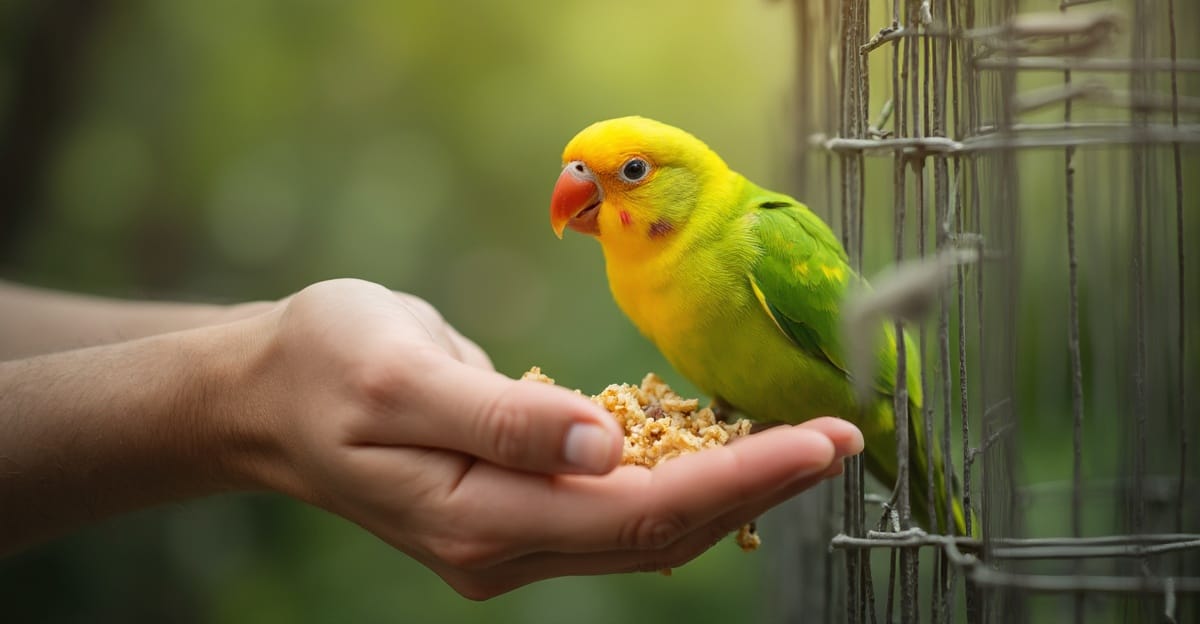
Beginning lovebird training requires establishing a foundation of trust before attempting any hands-on interaction. These small African birds, weighing just 1.6-2.3 ounces, possess strong personalities that demand respect and patience during the initial training phases. The taming process starts with creating positive associations between your presence and pleasant experiences for your lovebird.
Building Initial Trust and Comfort
Position yourself near your lovebird’s cage daily, speaking in soft, consistent tones while maintaining calm body language. Avoid sudden movements or loud noises that might startle your bird, as lovebirds are naturally cautious around new situations. Spend at least 15-20 minutes daily simply being present near the cage, reading aloud or talking gently to help your lovebird become accustomed to your voice and movements. This foundation period typically lasts 1-2 weeks before progressing to more direct interaction.
Introducing Hand Presence and Treats
Once your lovebird appears relaxed with your proximity, begin slowly introducing your hand near the cage bars. Offer high-value treats like small pieces of millet spray or sunflower seeds through the bars, allowing your bird to associate your hand with positive experiences. Never force interaction during this phase – let curiosity and hunger motivate your lovebird to approach your hand voluntarily. Some birds may take several days to weeks before showing interest in hand-offered treats.
Establishing Training Routines
Develop consistent daily training sessions lasting 5-10 minutes to maintain your lovebird’s attention without causing overstimulation. Choose times when your bird appears most alert and active, typically in the morning or early evening. Consistency in timing, location, and approach helps lovebirds feel secure and more receptive to learning. End each session on a positive note, even if progress seems minimal, to maintain motivation for future training opportunities.
What Are Common Lovebird Behavior Problems?
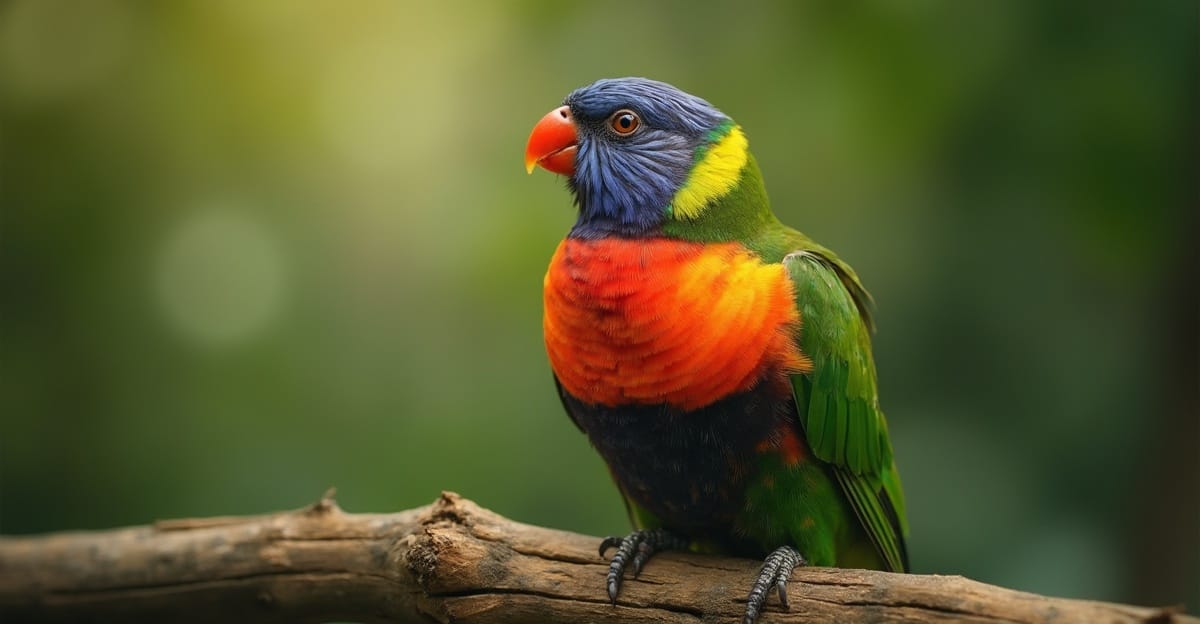
Lovebird training often involves addressing specific behavioral challenges that stem from their highly social nature and strong territorial instincts. Understanding these common issues helps owners develop targeted approaches for behavior modification while maintaining the trust established during initial taming phases.
Biting and Aggressive Behaviors
Biting represents one of the most frequent concerns in lovebird training, typically occurring when birds feel threatened, territorial, or inadequately socialized. Lovebirds possess moderate bite strength that can cause discomfort, making early intervention crucial for preventing this behavior from becoming habitual. Context matters significantly – biting during cage cleaning often indicates territorial protection, while biting during handling may signal fear or overstimulation. Identifying triggers helps develop appropriate responses that redirect this natural behavior into more acceptable outlets.
Jealousy and Attention-Seeking
The highly social nature of lovebirds can manifest as jealousy when they perceive their human companion’s attention being divided among other pets, family members, or activities. This jealousy often presents as increased vocalization, aggressive posturing toward perceived rivals, or destructive behaviors within their environment. Lovebirds may also develop possessive behaviors over specific perches, toys, or even their human companions, leading to territorial disputes that require careful management through consistent boundaries and positive redirection techniques.
Excessive Vocalization and Stress Signals
While lovebirds naturally communicate through chirps and whistles, excessive screaming often indicates underlying issues requiring attention during training programs. Boredom, lack of mental stimulation, or insufficient social interaction commonly trigger increased vocalization as attention-seeking behavior. More concerning stress signals include feather plucking, repetitive behaviors, or withdrawal from normal activities, which may indicate environmental stressors or inadequate care conditions that must be addressed alongside behavioral training efforts.
Is Positive Reinforcement Effective for Lovebirds?

Positive reinforcement techniques form the cornerstone of successful lovebird training, leveraging their intelligence and food motivation to encourage desired behaviors. These small birds respond exceptionally well to reward-based training methods that build confidence while strengthening the human-bird bond through pleasant associations.
Reward Systems and Treat Selection
Identifying high-value rewards specific to your individual lovebird creates powerful motivation for training compliance. Millet spray, sunflower seeds, small fruit pieces, or specialized bird treats typically serve as excellent reinforcement tools. The key lies in using these special treats exclusively during training sessions, maintaining their value through scarcity. Timing proves crucial – rewards must be delivered immediately upon correct behavior execution to create clear associations between actions and consequences.
Clicker Training Applications
Clicker training adapts remarkably well to lovebird training scenarios, providing precise timing for behavior marking that surpasses verbal praise alone. The distinct clicking sound helps lovebirds quickly identify the exact moment they perform desired behaviors, accelerating learning processes significantly. Begin by establishing the clicker-treat association through several sessions of clicking followed immediately by treats, regardless of behavior. Once this connection solidifies, use the clicker to mark specific actions like stepping up, returning to cage, or remaining calm during handling.
Building Long-term Success
Consistency in positive reinforcement application ensures lasting behavioral changes while avoiding the trust damage associated with punishment-based methods. Lovebirds possess excellent memories for both positive and negative experiences, making gentle, patient approaches essential for sustainable training outcomes. Gradually reduce treat frequency as behaviors become established, transitioning to intermittent reinforcement schedules that maintain learned responses while preventing over-dependence on food rewards.
How Long Does Lovebird Training Take?
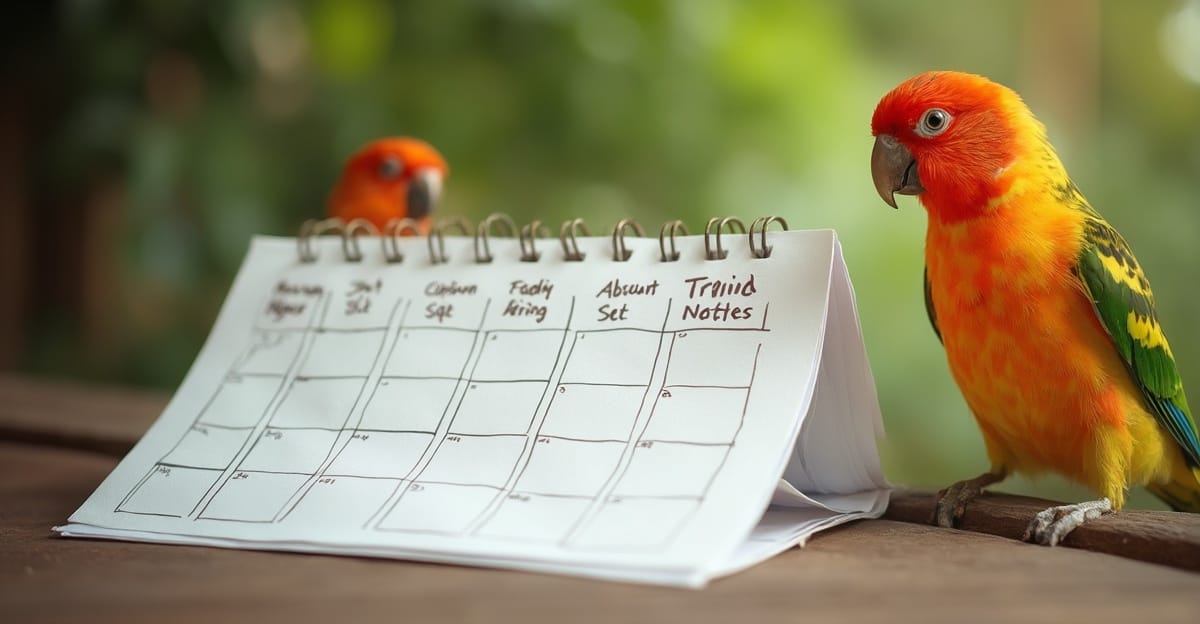
Understanding realistic timelines for lovebird training helps owners maintain appropriate expectations while developing patience for the gradual process of building relationships with these intelligent birds. Training duration varies significantly based on individual personality, previous experiences, and consistency of training approaches.
Initial Taming Timeline Expectations
The foundational taming process typically requires 4-8 weeks of consistent daily interaction, though some lovebirds may progress faster or slower depending on their individual temperament and history. Birds obtained as hand-fed babies often tame more quickly than parent-raised or previously neglected birds that may require additional time to overcome fear responses. Young lovebirds starting training at 8 weeks old generally show faster progress than older birds with established behavioral patterns, though adult birds can certainly learn with patient, consistent approaches.
Ongoing Socialization Requirements
Beyond initial taming, lovebirds require continuous socialization throughout their 12-20 year lifespan to maintain trained behaviors and prevent regression. Daily interaction, regular handling practice, and exposure to various situations help reinforce learned responses while building confidence in new environments. Neglecting ongoing training often results in previously tame birds becoming fearful or aggressive, requiring renewed taming efforts that may take longer than initial training periods.
Addressing Specific Behavioral Issues
Correcting established problem behaviors like chronic biting, excessive screaming, or territorial aggression typically requires several weeks to months of dedicated behavior modification efforts. The severity and duration of problematic behaviors directly influence correction timelines – recently developed issues often resolve faster than long-standing behavioral patterns. Consistency proves more important than session duration, with short daily training periods producing better results than infrequent lengthy sessions that may overwhelm or stress your lovebird.
How to Teach Your Lovebird the ‘Step Up’ Command
Step 1: Build Trust First
Before attempting ‘step up,’ ensure your Lovebird is comfortable with your hand near its perch. Offer treats through the cage bars and speak softly to establish a positive association with your presence.
Step 2: Introduce Your Finger
Once your Lovebird is calm, slowly place your index finger or a small perch gently against its lower chest, just above its feet. Do not push or force, simply present it as an option.
Step 3: Encourage Stepping Up
As you present your finger, gently apply slight upward pressure or wiggle your finger slightly to encourage the Lovebird to step onto it. Use a verbal cue like ‘step up’ simultaneously.
Step 4: Reward Immediately
The moment your Lovebird steps onto your finger, offer a high-value treat (like a small piece of millet) and praise it with a soft, encouraging tone. This positive reinforcement is key.
Step 5: Practice Consistently
Repeat this process in short, frequent sessions (5-10 minutes) daily. Always end on a positive note, even if it’s just for a small success, to keep your Lovebird motivated and engaged.
Frequently Asked Questions
Are Lovebirds easy to train?
Lovebirds are moderately easy to train, especially with consistent positive reinforcement. Their intelligence and social nature make them receptive to learning commands like ‘step up’ and can be taught various tricks. However, their strong personalities and potential for stubbornness mean patience and understanding of their specific needs are crucial for success. Initial taming typically takes 4-8 weeks.
How long does it take to train a Lovebird?
The initial taming process for a Lovebird usually takes about 4-8 weeks of consistent, daily interaction. Teaching specific commands or addressing behavioral issues may take longer, often several months, depending on the complexity and the individual bird’s temperament. Ongoing socialization and reinforcement are necessary throughout their 12-20 year lifespan to maintain learned behaviors and a strong bond.
What are common Lovebird behavior problems?
Common Lovebird behavior problems include biting, often due to fear, territoriality, or lack of socialization. They can also exhibit jealousy if they feel neglected or if their human’s attention is divided. Excessive screaming or chirping might indicate boredom, a need for more interaction, or attention-seeking. Feather plucking can also occur, which, after ruling out medical causes, often points to stress or anxiety.
Can Lovebirds be trained to talk?
Lovebirds have minimal to no speech ability. Unlike some parrot species, they primarily communicate through a variety of chirps, whistles, and squawks. While some individual Lovebirds might mimic a few simple sounds or words with extensive training, it is not a common trait, and owners should not expect them to become talking birds. Their vocalizations are more about expressing mood and communicating with their flock.
Conclusion
Successful lovebird training represents a rewarding journey that strengthens the bond between you and your feathered companion through patient, consistent effort. The 4-8 week initial taming timeline provides a realistic framework for developing trust and basic commands, while ongoing socialization ensures lasting behavioral success throughout their 12-20 year lifespan. Understanding common challenges like biting, jealousy, and excessive vocalization helps owners address issues proactively rather than reactively. While lovebirds may not develop extensive talking abilities, their capacity for learning tricks, responding to commands, and forming deep emotional connections makes the training investment worthwhile. Remember that each bird progresses at its own pace, and maintaining positive reinforcement approaches consistently yields the best long-term results. Consider exploring additional resources about lovebird health problems and how much does a lovebird cost to ensure comprehensive care alongside your training efforts. For more specific guidance, our lovebird training tips provide additional techniques for advanced training scenarios. See how the Lovebird’s trainability stacks up against similar breeds using our Pet Comparison Tool — compare behavior, intelligence, and care needs side by side.
Sources & References
⚠️ This article is for informational purposes only and does not replace professional veterinary advice. Always consult a qualified vet for your pet’s health needs.