
Training Your Scottish Fold: Tips and Techniques
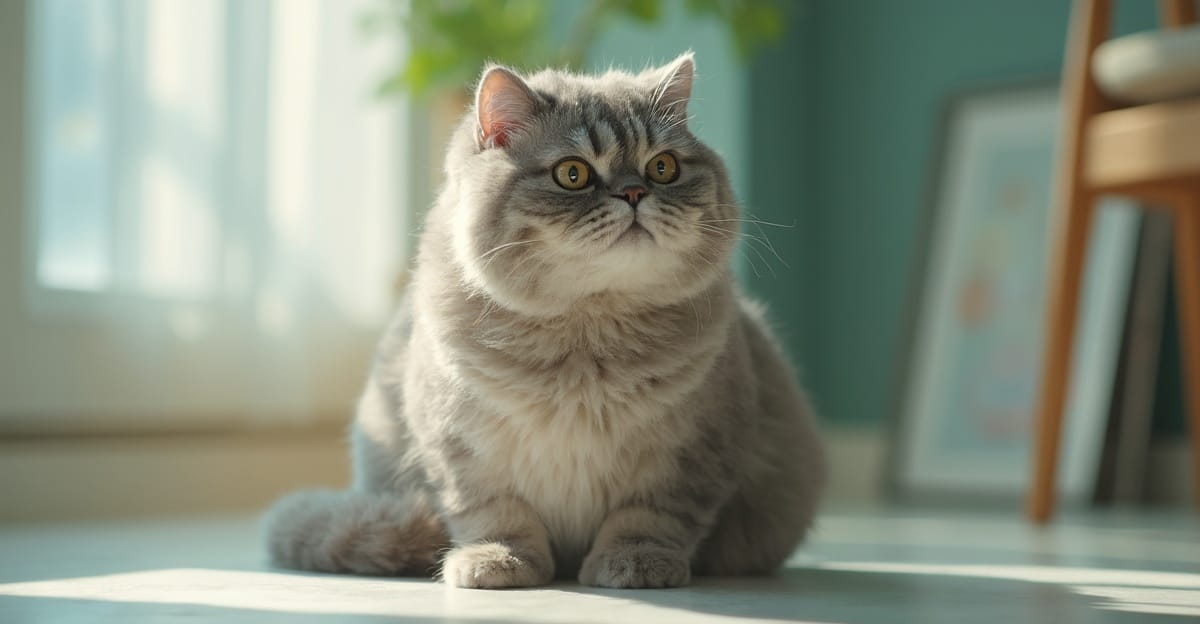
Those distinctive folded ears and gentle demeanor make Scottish Folds irresistible companions, but their moderate trainability requires a special approach. Unlike some breeds that eagerly follow commands, scottish fold training demands patience, consistency, and understanding of their unique temperament. These medium-sized cats from Scotland combine affectionate personalities with occasional stubborn streaks, creating both opportunities and challenges for dedicated owners. Their moderate energy levels and intelligence make them capable learners when approached with the right techniques, though their sensitive nature means harsh methods will backfire completely.
Table of Contents
Key Takeaways
- Scottish Folds respond best to positive reinforcement due to their sensitive nature.
- Patience and consistency are crucial, as Scottish Folds are moderately trainable and can be stubborn.
- Early socialization and consistent litter training are vital for well-adjusted Scottish Folds.
- Interactive play and mental stimulation are key to preventing boredom and potential behavioral issues.
Quick Facts
| Size Category | Medium |
| Origin | Scotland |
| Hypoallergenic | no |
| Energy Level | moderate energy |
| Trainability | moderately trainable |
| Breed Behavioral Problems | Scottish Folds can be prone to certain behavioral issues such as separation anxiety if left alone for long periods, and they may also exhibit stubbornness during training. |
| Breed Training Response | They generally respond well to positive reinforcement techniques, though their moderate trainability means they may require patience and consistency. |
| Breed Litter Training | Scottish Folds typically adapt well to litter training and can learn quickly with proper guidance. |
Understanding Your Scottish Fold’s Behavior
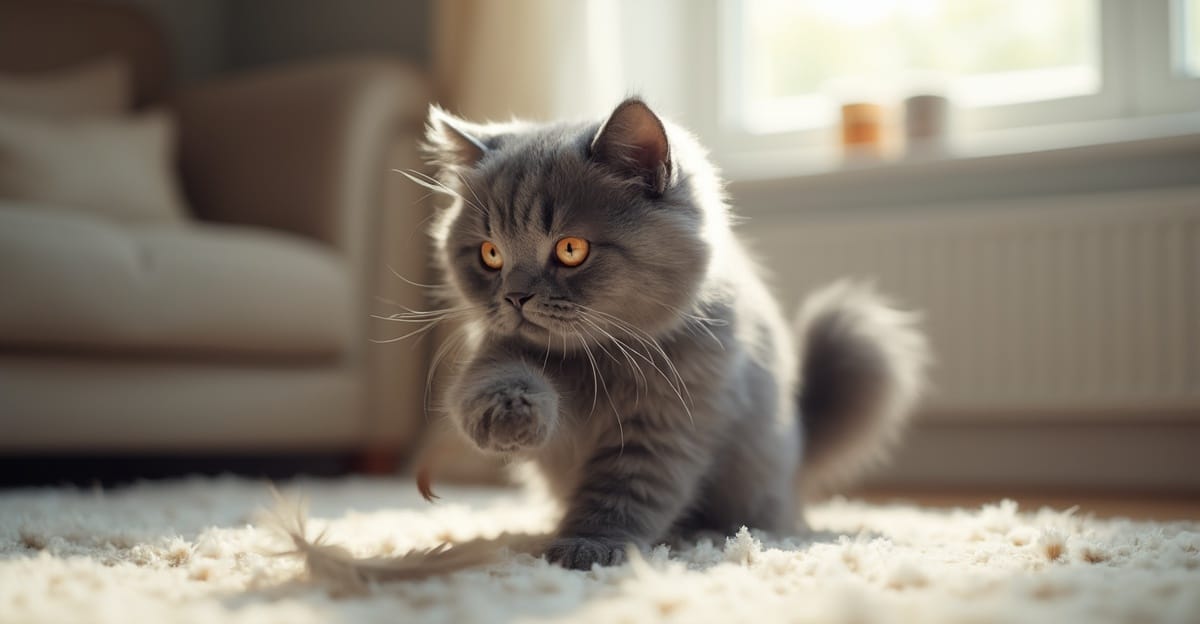
Scottish Folds possess a unique combination of traits that directly influence their training potential. Their calm and affectionate temperament creates an excellent foundation for learning, as these cats genuinely enjoy human interaction and seek to please their owners. This natural inclination toward companionship means they’re often motivated by praise and attention, making positive reinforcement techniques particularly effective.
The Stubborn Streak Challenge
Despite their sweet disposition, Scottish Folds can display remarkable stubbornness when they decide they’re not interested in a particular activity. This trait isn’t defiance in the traditional sense, but rather a selective approach to engagement. They may perform a trick perfectly for several days, then suddenly act as though they’ve never heard the command before. Understanding this behavioral quirk helps owners maintain realistic expectations and avoid frustration during training sessions.
Energy Levels and Learning Capacity
The moderate energy level of Scottish Folds creates both advantages and challenges for training. Their calm nature means they’re less likely to become overly excited or distracted during sessions, but it also means they may not be as motivated by high-energy activities as other breeds. They prefer mental challenges over physical ones, making puzzle feeders and interactive toys excellent training tools. Their moderate attention span requires trainers to keep sessions short but engaging, typically lasting no more than five minutes at a time.
Separation Anxiety and Its Training Impact
Scottish Folds’ strong attachment to their owners can lead to separation anxiety if not properly managed. This emotional dependency affects their ability to focus during training sessions, particularly if they’re stressed about being left alone. Cats experiencing separation anxiety may become clingy, making independent behaviors harder to teach. Addressing this through gradual desensitization and building confidence becomes crucial for successful scottish fold training outcomes.
How to Train a Scottish Fold with Positive Reinforcement
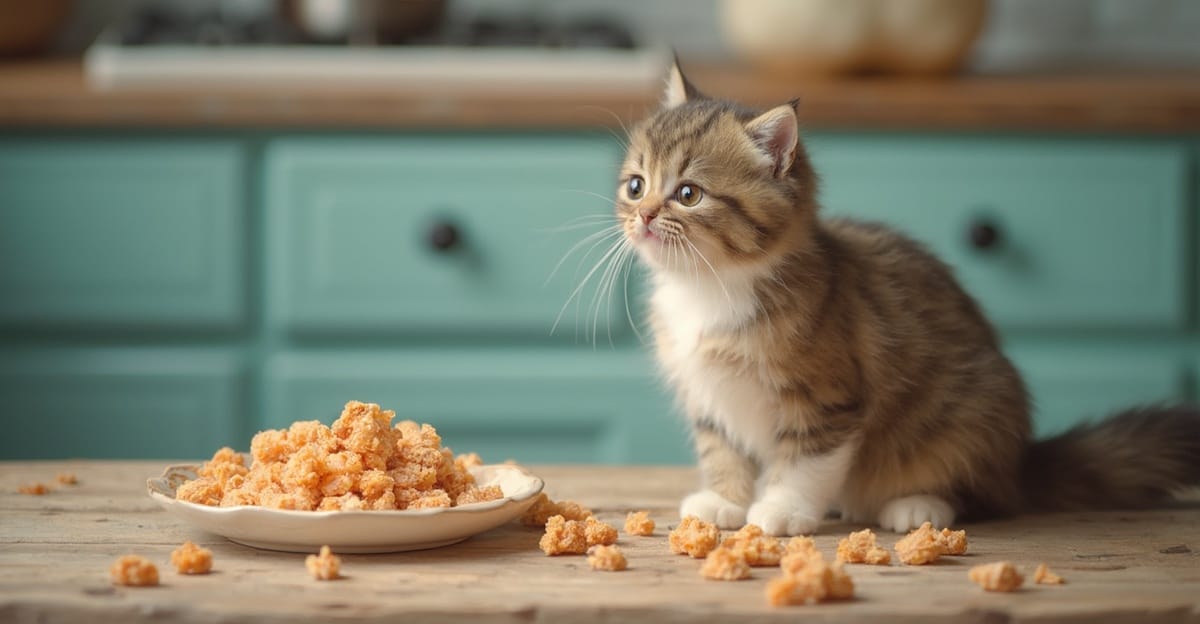
Positive reinforcement techniques form the cornerstone of effective Scottish Fold training, leveraging their sensitive nature and desire for human connection. These cats respond exceptionally well to reward-based methods, making treats, praise, and play powerful motivational tools. The key lies in timing and consistency, ensuring rewards immediately follow desired behaviors to create clear associations.
Selecting High-Value Rewards
Scottish Folds can be particular about their preferences, so identifying what truly motivates your individual cat becomes essential. Freeze-dried chicken, tuna flakes, or small pieces of cooked salmon often prove irresistible to most Scottish Folds. Some cats prefer interactive play sessions with feather wands or laser pointers as rewards, while others respond better to gentle petting and verbal praise. Experimenting with different reward types helps determine what creates the strongest motivation for your specific cat.
Implementing Clicker Training Methods
Clicker training provides precise communication that Scottish Folds appreciate due to their intelligent nature. The sharp click sound marks the exact moment your cat performs the desired behavior, creating crystal-clear feedback. Begin by associating the clicker with treats through simple charging sessions, clicking and immediately offering a reward without asking for any specific behavior. Once your Scottish Fold shows excitement upon hearing the click, you can begin marking specific actions like sitting, coming when called, or touching a target.
Structuring Effective Training Sessions
Short, frequent sessions work best for Scottish Folds due to their moderate attention span and preference for routine. Three to five-minute sessions conducted two to three times daily prevent mental fatigue while maintaining engagement. Always end sessions on a positive note, even if it means returning to a previously mastered behavior for a successful conclusion. This approach keeps your Scottish Fold eager for the next training opportunity rather than viewing it as a chore.
What Are Common Training Challenges for Scottish Folds?
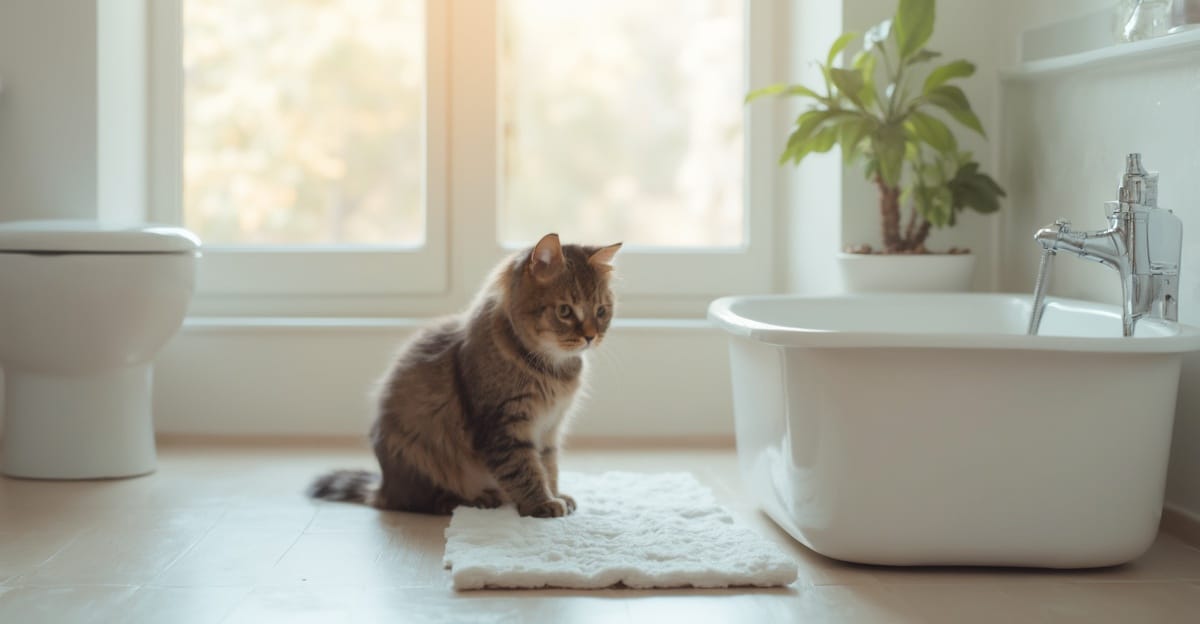
Scottish Fold owners frequently encounter specific challenges that stem directly from breed characteristics rather than training failures. Understanding these common issues helps set realistic expectations and develop targeted solutions. The most persistent problems often relate to their emotional sensitivity and selective attention patterns, requiring specialized approaches for resolution.
Addressing Separation Anxiety Behaviors
Separation anxiety manifests differently in Scottish Folds compared to other breeds, often appearing as excessive vocalization, inappropriate elimination, or destructive scratching when left alone. These behaviors can interfere with established training routines, particularly litter box habits. Gradual desensitization training becomes crucial, starting with very short departures and slowly increasing duration. Creating positive associations with alone time through special toys or treats available only during owner absence helps reduce anxiety levels.
Managing Selective Stubbornness
The stubborn streak common in Scottish Folds often appears as selective hearing or refusal to perform previously learned behaviors. This isn’t true stubbornness but rather a cat making independent decisions about when to comply. Varying rewards and keeping training sessions interesting helps maintain engagement. Sometimes taking a break from a particular command and returning to it later proves more effective than persistent repetition, which can create negative associations.
Overcoming Socialization Deficits
Scottish Folds that missed early socialization windows may display shyness or fear in new situations, making training in varied environments challenging. These cats might perform perfectly at home but freeze when encountering strangers or unfamiliar settings. Gradual exposure therapy combined with positive reinforcement techniques helps build confidence. Starting with minimal changes to the environment and slowly introducing new elements prevents overwhelming your sensitive Scottish Fold.
Can Scottish Folds Learn Tricks Easily?
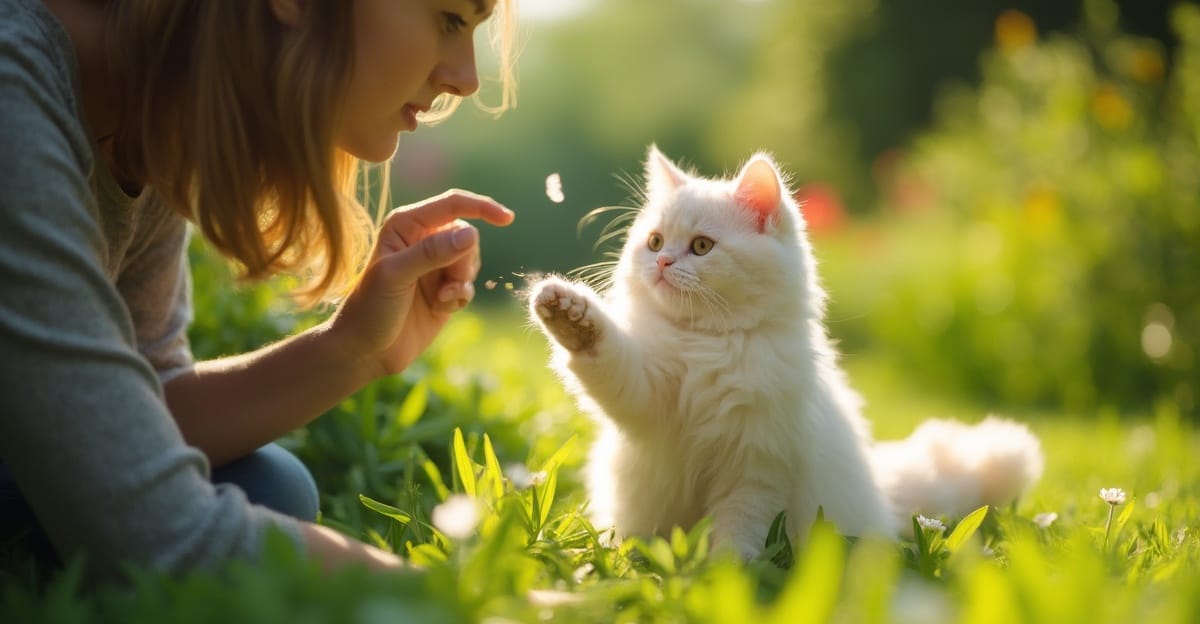
Scottish Folds demonstrate moderate potential for learning tricks, with their success largely depending on motivation and training approach. Their intelligence and desire for interaction create excellent foundations for trick training, though their selective nature means they’ll choose which tricks they find worthwhile. The key lies in making trick training feel like an engaging game rather than a demanding task.
Starting with Simple Foundation Tricks
Beginning with basic tricks builds confidence and establishes successful training patterns. High-fives work particularly well for Scottish Folds, as the motion feels natural and requires minimal physical effort. Teaching ‘sit’ provides an excellent foundation for more complex behaviors, while ‘come when called’ serves practical purposes beyond entertainment. These simple tricks help establish the reward system and communication patterns necessary for more advanced training.
Progressive Trick Development
Once basic tricks are mastered, Scottish Folds can learn increasingly complex behaviors like fetching small toys, opening doors, or even simple agility exercises. Their moderate energy levels make them suitable for tricks that emphasize mental challenge over physical exertion. Puzzle-solving tricks, such as opening treat-dispensing toys or navigating simple obstacle courses, provide excellent mental stimulation while showcasing their intelligence. The key involves breaking complex tricks into smaller, manageable steps that can be individually mastered and then chained together.
Mental Enrichment Through Trick Training
Trick training provides crucial mental stimulation for Scottish Folds, helping prevent boredom-related behavioral issues. These moderately energetic cats need intellectual challenges to remain content, and learning new tricks satisfies this requirement while strengthening the human-cat bond. Interactive play ideas incorporated into trick training sessions create positive associations with learning, making future training endeavors more successful. Regular trick practice sessions also provide structured interaction time that Scottish Folds crave due to their affectionate nature.
How to Litter Train Your Scottish Fold
Step 1: Choose the Right Litter Box and Location
Select a litter box that is easily accessible for your Scottish Fold, preferably with low sides for kittens or older cats. Place it in a quiet, private, and easily accessible location away from their food and water bowls.
Step 2: Introduce Your Scottish Fold to the Litter Box
Gently place your Scottish Fold in the litter box after they wake up, after meals, and whenever they show signs of needing to go (like sniffing around or scratching). Allow them to explore it naturally.
Step 3: Use Appropriate Litter
Scottish Folds generally prefer soft, unscented clumping litter. Avoid scented litters, as strong odors can be off-putting to their sensitive noses.
Step 4: Maintain Impeccable Cleanliness
Scoop the litter box at least once daily, and completely change the litter and clean the box weekly. A dirty litter box is the primary reason for a Scottish Fold to avoid using it.
Step 5: Reward Positive Behavior
Whenever your Scottish Fold uses the litter box, offer immediate praise, a gentle pet, or a small treat. This positive reinforcement helps them associate the litter box with a pleasant experience.
Step 6: Address Accidents Calmly
If an accident occurs outside the litter box, clean it thoroughly with an enzymatic cleaner to eliminate odors that might attract your Scottish Fold back to the same spot. Never punish your cat for accidents, as this can create fear and anxiety.
Frequently Asked Questions
Are Scottish Folds easy to train?
Scottish Folds are moderately trainable, meaning they can learn commands and tricks but require patience and consistency. They respond best to positive reinforcement techniques, such as clicker training and high-value treats, due to their sensitive and affectionate nature. While not as easily trained as some dog breeds, their intelligence and desire for companionship make them receptive to gentle guidance.
How long does it take to train a Scottish Fold?
The time it takes to train a Scottish Fold varies depending on the individual cat, the specific behavior being taught, and the consistency of training. Basic litter training can often be achieved within a few days to a week for kittens. More complex tricks or addressing behavioral issues may take several weeks or even months of consistent, short, daily sessions. Patience is key with this breed.
What are common Scottish Fold behavior problems?
Common behavioral problems in Scottish Folds can include separation anxiety, manifesting as excessive vocalization or destructive behavior when left alone, and occasional stubbornness during training. Some may also exhibit shyness if not properly socialized as kittens. Inconsistent litter box habits can also occur, often stemming from stress or a dirty litter environment, rather than a lack of understanding.
Can Scottish Folds be litter trained easily?
Yes, Scottish Folds typically adapt very well to litter training and can learn quickly with proper guidance. They are naturally clean animals. Providing a clean, easily accessible litter box with preferred litter type, and consistent positive reinforcement, usually leads to successful litter training. Any issues often stem from environmental factors or stress, not an inability to learn.
Conclusion
Successfully training your Scottish Fold requires understanding their unique blend of affectionate nature and selective independence. These moderately trainable cats thrive under positive reinforcement techniques, responding best to patient, consistent approaches that respect their sensitive temperament. While challenges like separation anxiety and occasional stubbornness may arise, addressing these breed-specific traits with understanding rather than frustration leads to better outcomes. Litter training typically proceeds smoothly with proper setup and maintenance, while trick training offers excellent mental enrichment opportunities that strengthen your bond. Remember that short, frequent sessions with high-value rewards work best for maintaining your Scottish Fold’s attention and enthusiasm. The key to successful scottish fold training lies in working with their natural inclinations rather than against them, celebrating small victories while maintaining realistic expectations about their moderate trainability. See how the Scottish Fold’s trainability stacks up against similar breeds using our Pet Comparison Tool — compare behavior, intelligence, and care needs side by side.
Sources & References
⚠️ This article is for informational purposes only and does not replace professional veterinary advice. Always consult a qualified vet for your pet’s health needs.