
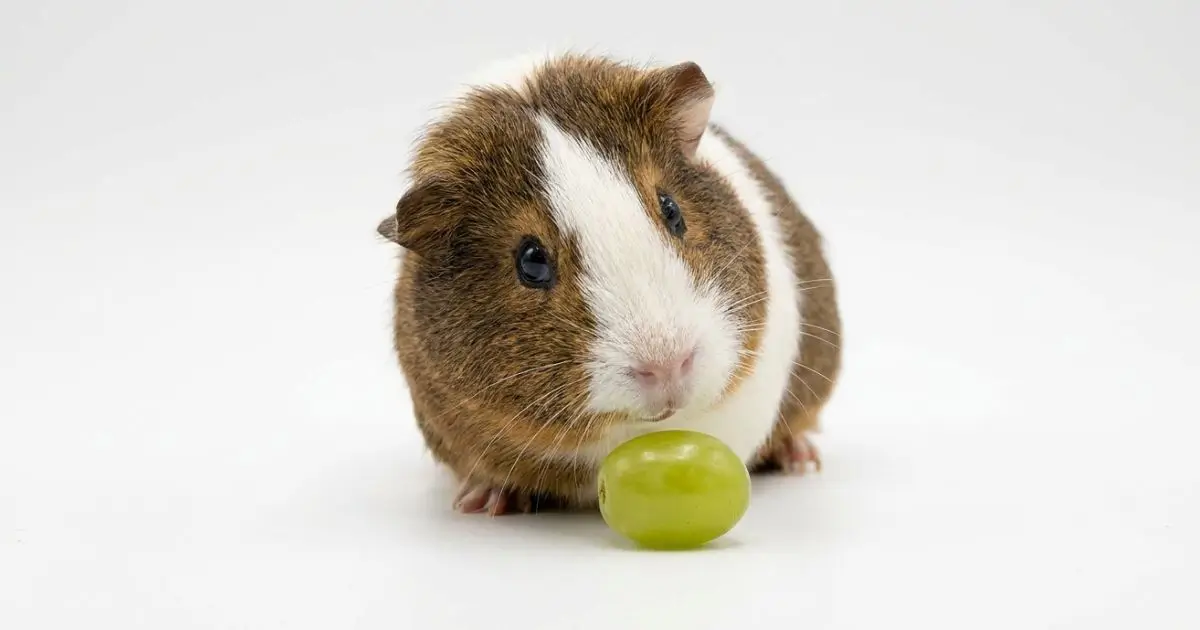
Can Guinea Pigs Eat Grapes? Benefits, Risks & Safe Portions
Table of Contents
You’re snacking on grapes and your guinea pig is staring at you with those eyes. You wonder — can I share one? Is it safe, or am I about to make a vet appointment?
Many owners ask: can guinea pigs eat grapes safely? The short answer is yes — but how they are fed makes all the difference. Like most good things, the details matter. Too many grapes too often can cause real health problems for your guinea pig — and most owners don’t realize this until it’s already an issue.
Here’s everything you need to know before feeding grapes to your guinea pig.
Can Guinea Pigs Eat Grapes? (Quick Answer)
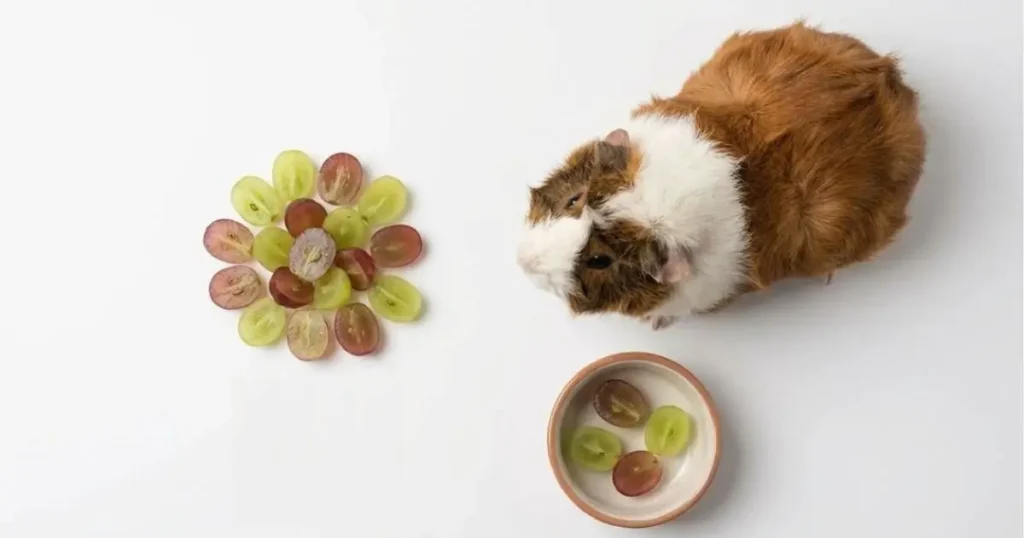
Yes — guinea pigs can eat grapes, but only in small amounts and as an occasional treat.
Grapes are safe for guinea pigs when given correctly: one or two grapes, once or twice per week maximum. They should never replace hay, fresh vegetables, or pellets, which make up the bulk of a healthy guinea pig diet.
The main concern with grapes is their high sugar content. Guinea pigs have sensitive digestive systems that aren’t designed to handle large amounts of sugar. A single grape here and there is a treat — a bowl of grapes is a health risk.
What Is a Healthy Diet for Guinea Pigs?
Before getting into grapes specifically, it helps to understand what a guinea pig’s diet should look like — because this changes how you think about every treat you offer.
A healthy guinea pig diet breaks down like this:
- 80% hay — timothy hay should be available at all times. It keeps the digestive system moving and wears down teeth naturally
- 15% fresh vegetables — leafy greens like romaine lettuce, kale, and bell peppers are ideal. Bell peppers are especially valuable for their high vitamin C content
- 5% fruits and treats — this is where grapes fit. Fruits are treats, not dietary staples
This context matters because guinea pigs have small bodies with sensitive digestive systems. What seems like a small amount of sugar to you is a significant load for them. Grapes are healthy in the right proportion — problematic when they start taking up more than their 5% share.
Are Grapes Safe for Guinea Pigs to Eat?
Yes, grapes are safe — when fed in moderation. The key is understanding both what makes them beneficial and what makes them risky.
Nutritional Benefits of Grapes
Grapes aren’t just sugar. They contain several nutrients that are genuinely useful for guinea pigs:
- Vitamin C — guinea pigs cannot produce vitamin C on their own and need it from their diet daily. Grapes contain a modest amount that contributes to their intake
- Antioxidants — particularly resveratrol, which supports immune health
- Water content — grapes are about 80% water, which helps with hydration
- Vitamin K and B6 — support blood clotting and nervous system function
That said, grapes shouldn’t be your go-to vitamin C source. Bell peppers, parsley, and leafy greens provide far more vitamin C with far less sugar.
Potential Risks — Sugar and Acidity
Here’s where it gets important.
Grapes contain around 15-16 grams of sugar per 100 grams — that’s high for a small animal like a guinea pig. Their digestive system isn’t equipped to process large amounts of fructose, and regular overfeeding leads to weight gain, digestive upset, and blood sugar problems.
Grapes are also mildly acidic. While the acidity level isn’t dangerous in small amounts, frequent feeding can irritate the mouth, lips, and digestive lining — causing sores or discomfort over time.
Can Guinea Pigs Eat Green and Red Grapes?
Yes to both — but they’re not identical.
Green Grapes vs Red Grapes
| Green Grapes | Red Grapes | |
|---|---|---|
| Sugar content | Slightly lower | Slightly higher |
| Antioxidants | Lower | Higher (resveratrol) |
| Acidity | Slightly more acidic | Milder |
| Taste preference | Varies by guinea pig | Often preferred |
Which One Is Better?
Green grapes are marginally better for guinea pigs with sensitive stomachs due to slightly lower sugar and a firmer texture. Red grapes offer more antioxidants but come with a bit more sugar.
In practice, the difference is small enough that it doesn’t matter much — portion size and frequency matter far more than grape color. If your guinea pig prefers one over the other, go with that one and keep the portions small.
Both green and red grapes should be seedless, washed thoroughly, and cut into small pieces before serving.
How Many Grapes Can Guinea Pigs Eat?
If you’re wondering how many grapes guinea pigs can eat safely, the answer depends on portion size and frequency.
This is where most owners get it wrong — not out of carelessness, but because guinea pigs will eat as many grapes as you give them. They don’t self-regulate sugar intake.
Recommended Portion Size
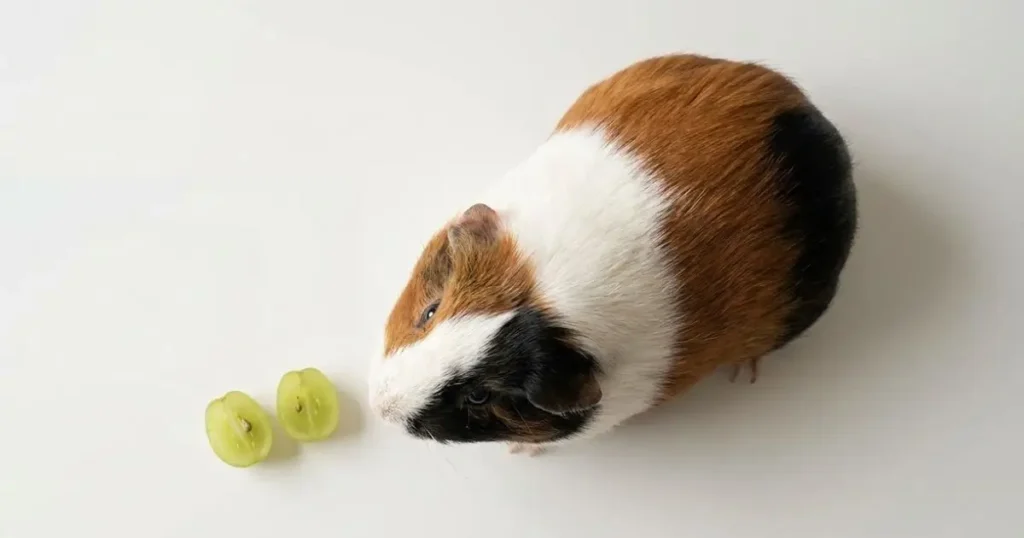
One to two small grapes per serving — that’s it. For context, one medium grape weighs about 5 grams. Two grapes is roughly 10 grams, which already provides a meaningful sugar load for an animal that weighs 700 to 1200 grams.
If the grapes are large, cut them in half and offer one piece per serving.
How Often Can Guinea Pigs Have Grapes?
Once or twice per week maximum — not daily, not every other day.
Grapes should be treated as a special treat, not a dietary staple. Think of them the way you’d think of candy for a child — fine occasionally, problematic as a habit.
A simple schedule that works:
- Monday: one grape
- Thursday: one grape
- Rest of the week: stick to vegetables and hay
How to Safely Feed Grapes to Your Guinea Pig
Feeding grapes safely isn’t complicated, but there are a few steps worth following every time.
Washing Grapes
Always wash grapes thoroughly under running water before serving. Commercially grown grapes are frequently treated with pesticides that sit on the skin. Even organic grapes should be rinsed.
Removing Seeds
Seeds are a choking hazard and can cause digestive blockages. Always use seedless grapes, or remove seeds manually before serving. Don’t assume a grape is seedless without checking — some varieties labeled seedless still contain small seed remnants.
Cutting Into Small Pieces
Cut each grape into halves or quarters depending on the size of your guinea pig. Whole grapes are a choking risk, especially for younger or smaller guinea pigs. Smaller pieces also slow down eating, which reduces the chance of digestive upset from eating too fast.
When Should You Avoid Feeding Grapes?
Grapes aren’t appropriate for every guinea pig in every situation.
Health Conditions
Avoid grapes entirely if your guinea pig has:
- Diabetes or blood sugar issues — the fructose content will worsen the condition
- Obesity — grapes add empty calories that contribute to weight gain
- Mouth sores or dental problems — the acidity can irritate sensitive tissue
- Kidney issues — high potassium content in grapes can be problematic
Sensitive Digestion
If your guinea pig has a history of loose stools, bloating, or digestive sensitivity, introduce grapes very slowly — start with a piece the size of your fingernail and observe for 24 hours before offering more. Any sign of soft stool or unusual behavior means grapes aren’t a good fit for that individual.
Health Risks of Feeding Too Many Grapes
Understanding the risks helps you make better decisions — not avoid grapes entirely, but use them correctly.
Obesity
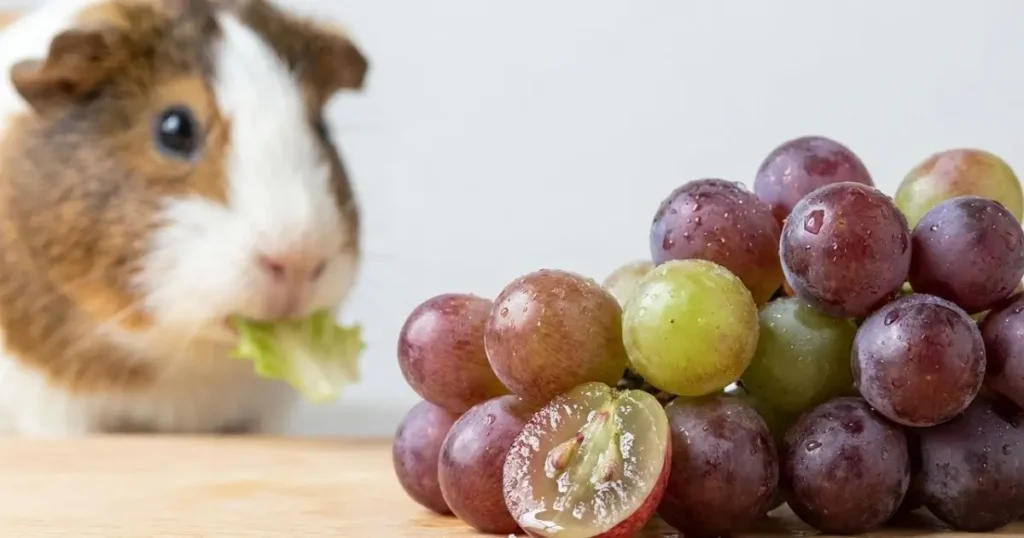
Guinea pigs gain weight quickly when given high-sugar foods regularly. Obesity in guinea pigs leads to joint problems, difficulty moving, heart strain, and a shorter lifespan. A grape here and there won’t cause this — a grape every day for six months will.
Digestive Issues
Too much fruit disrupts the delicate balance of bacteria in a guinea pig’s gut. The result is soft cecotropes, diarrhea, bloating, and discomfort. In severe cases, gastrointestinal stasis — where the digestive system slows or stops — can develop and become life-threatening without veterinary treatment.
Blood Sugar Problems
Consistent high-sugar intake can contribute to insulin resistance and diabetes-like conditions in guinea pigs. This is a long-term risk from habitual overfeeding, not from an occasional grape — but it’s worth knowing.
Guinea pigs have sensitive digestive systems, and too much sugar can lead to serious health issues. According to veterinary guidelines, fruits should only be given occasionally as treats.
Other Fruits Guinea Pigs Can Eat
Grapes aren’t the only fruit option for your guinea pig. Here are three common ones worth knowing about:
Can Guinea Pigs Eat Strawberries?
Yes — strawberries are one of the better fruit choices for guinea pigs. They’re high in vitamin C and lower in sugar than grapes. One small strawberry once or twice a week is a good treat.
Can Guinea Pigs Eat Apples?
Yes — apples are safe for guinea pigs with the seeds and core removed. Apple seeds contain trace amounts of cyanide and should never be fed. Stick to a small slice of apple flesh once a week.
Can Guinea Pigs Eat Bananas?
Yes, but rarely. Bananas are very high in sugar and starch — higher than grapes. A small piece the size of your thumbnail once a week is the maximum recommended amount.
A balanced guinea pig diet should be based mainly on hay, fresh vegetables, and limited fruits, as recommended by animal welfare organizations.
What Fruits Should Guinea Pigs Avoid?
Some fruits are unsafe for guinea pigs regardless of portion size:
- Citrus fruits (oranges, lemons, grapefruit) — too acidic, causes mouth sores and digestive irritation
- Avocado — toxic to guinea pigs, avoid completely
- Rhubarb — toxic, can cause kidney failure
- Coconut — too high in fat
- Dried fruits — concentrated sugar, far too high for safe consumption
When in doubt about a new food, consult your vet before offering it.
FAQs About Guinea Pigs and Grapes
Can guinea pigs eat grapes every day?
No. Daily grape feeding leads to excess sugar intake, weight gain, and digestive problems over time. Once or twice per week is the safe maximum. If you want to give your guinea pig something daily, choose bell peppers, romaine lettuce, or cucumber instead.
Can guinea pigs eat grapes skin?
Yes — grape skin is safe and actually contains beneficial antioxidants. Just make sure the grapes are washed thoroughly to remove pesticide residue before serving with the skin on.
Can guinea pigs eat seedless grapes?
Yes — seedless grapes are the preferred choice for guinea pigs. They eliminate the choking risk and digestive hazard that seeds present. Always verify that seedless grapes are truly seed-free before serving, as some varieties contain small remnants.
Can guinea pigs eat grapes safely every week?
Yes — guinea pigs can eat grapes once or twice per week, as long as the portions are very small. Grapes should always be treated as an occasional treat due to their high sugar content. Feeding them daily or in large amounts can lead to digestive issues and weight gain, so moderation is essential.
Final Verdict: Should You Feed Grapes to Your Guinea Pig?
Yes — with clear boundaries.
Grapes are a safe, enjoyable treat for most guinea pigs when given in the right amounts. One or two grapes, once or twice a week, washed and cut into small pieces. That’s the recommended approach.
The problems only start when grapes become a regular part of the diet instead of an occasional reward. Guinea pigs love sweet foods and will always want more — your job is to know when enough is enough.
Stick to the portion guidelines above, watch how your individual guinea pig responds, and skip grapes entirely if your pet has any pre-existing health conditions.
When in doubt, fresh hay and leafy greens are always the safer choice.
Want to explore how different pets compare in terms of care, behavior, and lifestyle?
Try our Pet Comparison tool to see how guinea pigs compare to other pets and find the best match for your situation.
This article is for informational purposes only and is based on general dietary guidelines for guinea pigs. Individual animals may respond differently to new foods. Always consult your veterinarian before making significant changes to your pet’s diet or if you notice any unusual reactions after introducing a new food.