
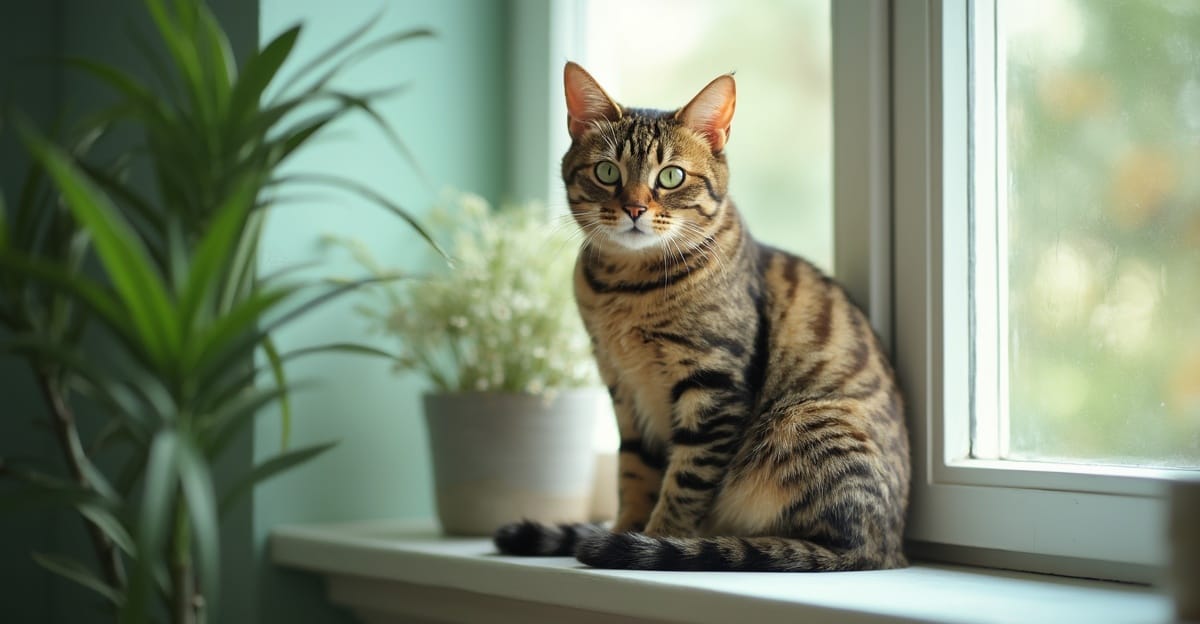
Understanding Your Toyger’s Health and Well-being
The distinctive tiger-striped Toyger captivates cat enthusiasts with its wild appearance and gentle temperament, but understanding toyger health problems is essential for every owner. This relatively new breed, developed in the United States, combines the exotic look of a miniature tiger with the loving nature of a domestic cat. While Toygers are generally healthy cats, their very high energy levels and specific genetic background require informed care to prevent common health issues. From routine preventive care to recognizing early warning signs, knowing what to expect helps ensure your Toyger thrives throughout its 10-15 year lifespan. Smart health management starts with understanding both the breed’s strengths and potential vulnerabilities.
Table of Contents
Key Takeaways
- Toygers are generally a healthy breed with a lifespan of 10-15 years, but proactive care is crucial.
- Regular veterinary check-ups and specific genetic screenings for conditions like HCM are vital for early detection.
- A balanced diet, consistent exercise, and mental stimulation are key to preventing common health issues in this high-energy breed.
- Observing subtle behavioral changes is often the first indicator of underlying health problems in Toygers, as cats instinctively hide illness.
Quick Facts
| Size Category | Medium |
| Origin | United States |
| Hypoallergenic | no |
| Energy Level | very high energy |
| Trainability | highly trainable |
| breed lifespan | 10-15 years |
| breed health tests | HCM screening ($300 annually), HD screening ($200 once in breeding career), DNA tests ($44 per test) |
Common Health Problems in Toygers
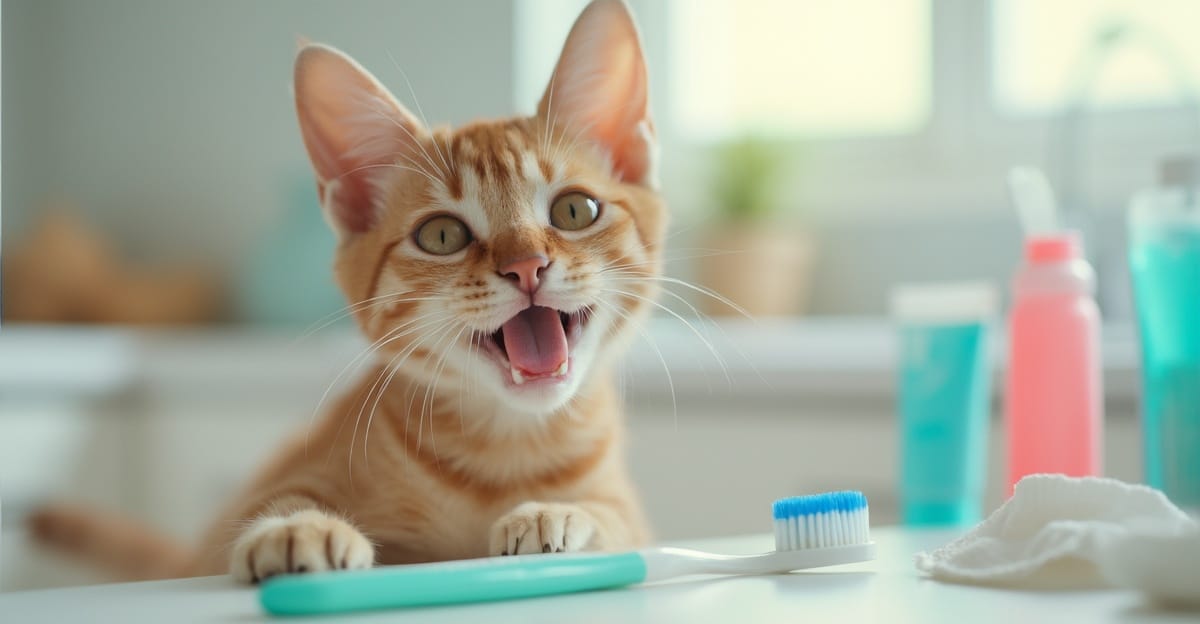
While Toygers are considered a generally healthy breed, they share susceptibility to several common feline ailments that responsible owners should monitor. Understanding these potential toyger health problems helps ensure early detection and proper treatment when issues arise.
Dental Disease and Oral Health Concerns
Dental disease represents one of the most prevalent health issues affecting Toygers, particularly as they age. Without proper oral hygiene, plaque and tartar buildup can lead to gingivitis, periodontal disease, and eventual tooth loss. The ASPCA notes that dental disease affects over 70% of cats by age three, making preventive dental care crucial for Toygers. Signs include bad breath, difficulty eating, pawing at the face, and visible tartar on teeth. Left untreated, bacteria from dental disease can enter the bloodstream and affect other organs, including the heart and kidneys.
Age-Related Conditions in Senior Toygers
As Toygers enter their senior years, typically around 7-10 years old, they become more susceptible to age-related conditions common in domestic cats. Chronic kidney disease affects approximately 30% of cats over 15 years old according to veterinary studies, making regular monitoring essential. Early signs include increased thirst, frequent urination, and gradual weight loss. Diabetes mellitus also becomes more common with age, particularly in overweight cats. The VCA Animal Hospitals emphasize that maintaining a healthy weight throughout life significantly reduces diabetes risk in cats.
Orthopedic Issues in Active Breeds
Given their very high energy levels and active nature, Toygers may experience orthopedic problems, though specific prevalence data for the breed remains limited. Patellar luxation, where the kneecap dislocates, can occur in active cats and may cause intermittent lameness. Hip dysplasia, while more common in dogs, can also affect cats, particularly those with active lifestyles. PetMD reports that joint problems often develop gradually, with subtle changes in mobility or reluctance to jump being early indicators.
How to Maintain Your Toyger’s Health

Proactive health maintenance forms the foundation of preventing toyger health problems and ensuring your cat enjoys a long, healthy life. The key lies in establishing consistent routines that address their specific needs as a high-energy, intelligent breed.
Essential Veterinary Care Schedule
Annual veterinary examinations serve as the cornerstone of Toyger health maintenance, allowing for early detection of potential issues before they become serious problems. During these visits, your veterinarian will perform a comprehensive physical examination, checking everything from heart rate and body condition to dental health and organ function. Vaccinations remain current to protect against common feline diseases, while parasite prevention protocols address both internal and external parasites. For adult Toygers, annual blood work becomes increasingly important after age seven to monitor organ function and detect early signs of kidney disease or diabetes.
Nutrition and Weight Management
Proper nutrition plays a critical role in maintaining Toyger health, particularly given their high energy requirements and predisposition to certain conditions. A high-quality, age-appropriate diet provides the necessary nutrients to fuel their active lifestyle while maintaining optimal body condition. The Association of American Feed Control Officials (AAFCO) recommends diets formulated for specific life stages, with kitten, adult, and senior formulations addressing changing nutritional needs. Portion control prevents obesity, which significantly increases the risk of diabetes, arthritis, and other health complications. Fresh water should always be available, as proper hydration supports kidney function and overall health.
Exercise and Mental Stimulation Requirements
Toygers’ very high energy levels demand consistent physical activity and mental stimulation to prevent behavioral issues and maintain physical fitness. Interactive play sessions using wand toys, laser pointers, and puzzle feeders satisfy their hunting instincts while providing necessary exercise. The ASPCA recommends at least 15-20 minutes of active play twice daily for high-energy cats. Environmental enrichment through cat trees, scratching posts, and rotating toys prevents boredom and destructive behaviors. Mental stimulation through training exercises takes advantage of their high trainability while strengthening the human-cat bond.
Is Your Toyger Prone to Genetic Conditions?
Understanding genetic predispositions helps Toyger owners make informed decisions about health screening and preventive care. While the breed is relatively new with limited long-term health data, responsible breeding practices focus on screening for conditions that affect cats generally.
Hypertrophic Cardiomyopathy Screening
Hypertrophic Cardiomyopathy (HCM) represents the most common heart disease in cats, affecting multiple breeds including Toygers. This condition causes thickening of the heart muscle, potentially leading to heart failure or sudden death. The American College of Veterinary Internal Medicine recommends annual echocardiographic screening for breeding cats, as HCM can develop at any age and may not show symptoms initially. Early detection through screening allows for management strategies that can improve quality of life and potentially extend lifespan. Reputable Toyger breeders invest in annual HCM screening to ensure healthy breeding lines.
Hip Dysplasia and Joint Health
While less common in cats than dogs, hip dysplasia can affect active breeds like Toygers, potentially causing pain and mobility issues. This condition involves abnormal development of the hip joint, leading to arthritis and lameness over time. Responsible breeders screen breeding cats through radiographic examination, typically performed once during their breeding career. The Orthopedic Foundation for Animals provides certification for hip health in cats, helping breeders make informed breeding decisions. Early detection allows for management strategies including weight control, appropriate exercise, and pain management when necessary.
DNA Testing and Genetic Health
Genetic testing provides valuable insights into potential health risks and helps breeders make informed decisions about breeding pairs. Various DNA tests are available for feline genetic diseases, typically costing around $44 per test according to current market rates. These tests can identify carriers of genetic conditions, allowing breeders to avoid producing affected offspring. While specific genetic predispositions unique to Toygers remain under study, testing for common feline genetic diseases provides valuable health information. Prospective owners should inquire about genetic testing performed on their kitten’s parents to understand potential inherited risks.
What Vet Tests Are Essential for Toygers?
Regular veterinary testing plays a crucial role in maintaining Toyger health and detecting potential problems early when treatment is most effective. Understanding recommended tests and their associated costs helps owners budget for proper healthcare throughout their cat’s life.
Routine Wellness Testing
Annual wellness examinations form the foundation of preventive healthcare for Toygers, with testing recommendations varying based on age and health status. Young adult Toygers typically require basic wellness testing including fecal examinations to check for parasites and physical examinations to assess overall health. As cats age beyond seven years, blood work becomes increasingly important to monitor organ function, particularly kidney and liver health. Complete blood counts and chemistry panels can detect early signs of disease before symptoms become apparent. The American Animal Hospital Association recommends more frequent testing for senior cats, potentially every six months for those over 10 years old.
Cardiac Screening Protocols
Given the importance of heart health in all cat breeds, cardiac screening represents an essential component of Toyger healthcare, particularly for breeding cats. Annual HCM screening through echocardiography costs approximately $300 and provides detailed assessment of heart structure and function. This non-invasive test can detect early changes in heart muscle thickness before clinical symptoms develop. Breeding Toygers should undergo annual cardiac screening to ensure genetic health of offspring, while pet Toygers may benefit from baseline cardiac assessment, especially if heart murmurs are detected during routine examinations.
Orthopedic and Genetic Testing
Hip dysplasia screening through radiographic examination costs approximately $200 and is typically performed once during a breeding cat’s career. This test evaluates hip joint structure and can identify cats at risk for developing arthritis or mobility issues. DNA testing for various genetic conditions costs around $44 per test and provides valuable information about genetic health status. These tests can identify carriers of genetic diseases, helping owners understand potential health risks and make informed breeding decisions. The combination of orthopedic and genetic testing provides comprehensive health assessment for breeding Toygers.
Frequently Asked Questions
What health problems do Toygers have?
Toygers are generally a healthy breed. However, like all cats, they can be susceptible to common feline issues such as dental disease, kidney disease, and diabetes as they age. While specific genetic predispositions are not widely documented, responsible breeders screen for conditions like Hypertrophic Cardiomyopathy (HCM) and Hip Dysplasia (HD) to maintain the breed’s health. Regular veterinary care is key to managing these potential concerns.
How long do Toygers live?
Toygers typically have a lifespan of 10 to 15 years. With excellent care, a balanced diet, regular exercise, and routine veterinary check-ups, some Toygers may even exceed this average. Factors such as genetics, environment, and overall lifestyle significantly influence their longevity, emphasizing the importance of proactive health management throughout their lives.
How much does a Toyger vet visit cost?
The cost of a Toyger vet visit varies depending on the service. A routine annual wellness exam can range from $50-$250. Specific health screenings like an annual HCM echocardiogram can cost around $300, while Hip Dysplasia X-rays might be about $200. DNA tests for genetic conditions are typically around $44 per test. These costs are important considerations for responsible Toyger ownership.
Are Toygers prone to genetic conditions?
While Toygers are considered a generally healthy breed, specific data on their genetic predispositions is not extensive. However, responsible Toyger breeders actively screen for common feline genetic conditions such as Hypertrophic Cardiomyopathy (HCM) and Hip Dysplasia (HD) to ensure the health of their breeding lines. Prospective owners should always inquire about the genetic health testing performed on the parents of their kitten to understand potential risks.
Conclusion
Maintaining your Toyger’s health requires a comprehensive approach combining preventive care, regular monitoring, and prompt attention to any changes in behavior or appetite. While toyger health problems are generally manageable with proper care, the breed’s high energy levels and specific needs demand attentive ownership. Regular veterinary examinations, appropriate nutrition, and consistent exercise form the foundation of good health throughout their 10-15 year lifespan. The investment in preventive care, including genetic screening and routine testing, pays dividends in early detection and treatment of potential issues. Remember that subtle behavioral changes often signal health problems before physical symptoms appear, making careful observation an essential skill for Toyger owners. By staying proactive about health management and working closely with qualified veterinarians, you can help ensure your Toyger enjoys a long, healthy, and active life. Use our Pet Age Calculator to discover your Toyger’s life stage, potential health risks, and what to watch for at their current age.
Sources & References
This article is for informational purposes only and does not constitute veterinary advice. Always consult a qualified veterinarian for health concerns specific to your Toyger.