
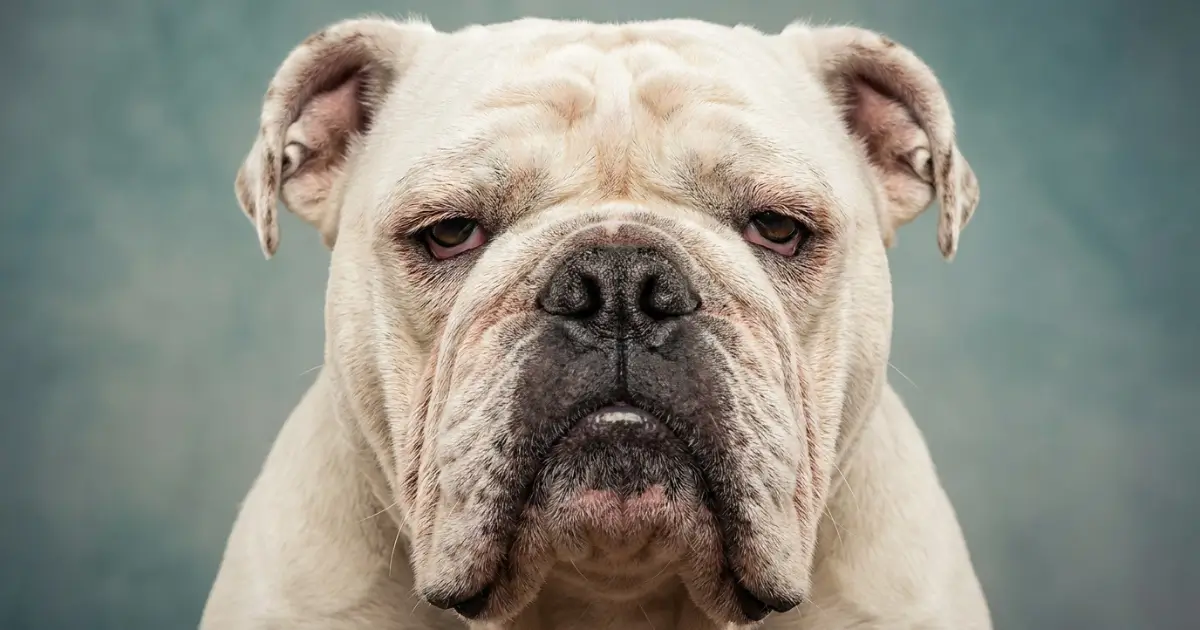
Bulldog Health Problems: 10 Common Issues Every Owner Should Know
Table of Contents
Your Bulldog just walked across the room and came back panting heavily. You haven’t even left the house yet. If this sounds familiar, you’re not imagining things — and you’re not alone.
Bulldogs are one of the most popular breeds in the US, but they come with a unique set of health challenges that most owners discover after bringing one home. The good news? Most of these issues are manageable when you catch them early and know what to watch for.
Here’s an honest breakdown of the 10 most common Bulldog health problems — and what you can actually do about each one.
Most Common Bulldog Health Problems
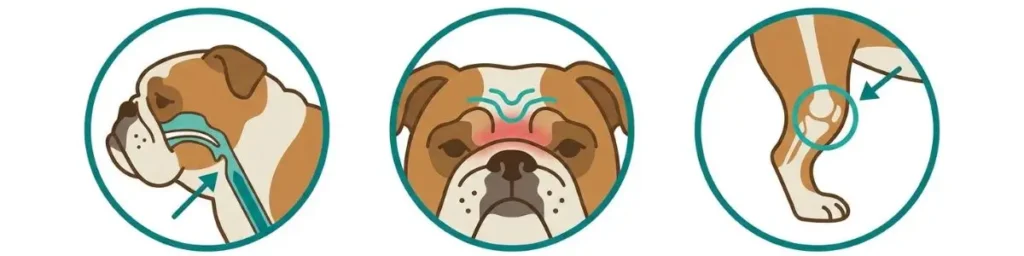
Bulldogs face a predictable set of health problems rooted in their anatomy. Their flat face, compact body, and skin folds are what make them adorable — and what makes them medically complex.
The most frequently reported issues are:
- Brachycephalic Obstructive Airway Syndrome (BOAS)
- Skin fold infections and dermatitis
- Hip dysplasia
- Eye problems (cherry eye, ectropion)
- Joint issues (patellar luxation, IVDD)
- Digestive sensitivities and bloat
- Overheating and heatstroke
- Dental disease
- Heart conditions
- Obesity-related complications
Understanding each one helps you act fast — before a manageable issue becomes a costly emergency.
1. Breathing Problems — Brachycephalic Syndrome
This is the defining health challenge of the breed. Bulldogs have shortened muzzles, narrow nostrils, and elongated soft palates — all of which restrict airflow. The clinical name is Brachycephalic Obstructive Airway Syndrome (BOAS).
Signs to watch for:
- Loud snoring even when awake
- Heavy panting after minimal activity
- Blue or pale gums (sign of oxygen deprivation — call your vet immediately)
- Gagging or retching sounds during meals
What you can do:
- Keep your Bulldog at a healthy weight — every extra pound makes breathing harder
- Use a harness instead of a collar to avoid throat pressure
- Avoid walks during the hottest part of the day
- Ask your vet about corrective surgery if breathing is severely restricted — it’s more common than most owners realize and can dramatically improve quality of life
2. Skin Fold Infections
Those adorable wrinkles are also bacteria traps. Moisture, heat, and friction get caught between skin folds, creating the perfect environment for yeast and bacterial infections. Left untreated, the skin turns red, raw, and starts to smell.
Signs to watch for:
- Redness or dark discoloration inside folds
- Foul odor coming from the face, tail, or body folds
- Your dog rubbing their face on furniture or the floor
What you can do:
- Clean between every fold 2-3 times per week with fragrance-free pet wipes
- Dry thoroughly after cleaning — moisture is the enemy
- Ask your vet about a barrier cream for chronically irritated areas
3. Hip Dysplasia
Hip dysplasia is a genetic condition where the hip joint doesn’t develop properly, causing the femur to grind against the socket instead of moving smoothly. It’s common in Bulldogs due to their compact, heavy frame.
Signs to watch for:
- A “bunny hop” when running (both hind legs move together)
- Reluctance to climb stairs or jump onto furniture
- Stiffness after rest, especially in the morning
- Muscle loss in the hind legs
What you can do:
- Keep your dog lean — weight management is the single most impactful thing you can do
- Ask your vet about glucosamine and chondroitin supplements early (before symptoms appear)
- Hydrotherapy is highly effective for Bulldogs with moderate to severe dysplasia
- In serious cases, surgical options exist — your vet can walk you through them
4. Eye Problems — Cherry Eye and Ectropion
Bulldogs’ shallow eye sockets leave their eyes exposed and vulnerable. Two conditions are particularly common.
Cherry eye happens when the gland of the third eyelid prolapses, appearing as a red, round mass in the inner corner of the eye. It looks alarming but is treatable — usually with surgery to reposition the gland rather than remove it.
Ectropion is when the lower eyelid droops outward, exposing the inner lining of the eye. This causes chronic irritation, tearing, and vulnerability to infection.
What you can do:
- Wipe around the eyes gently every day with a soft, damp cloth
- Never ignore discharge, squinting, or excessive tearing — these warrant a vet visit
- Schedule annual eye checks as part of your routine care
5. Joint Issues Beyond the Hips
Hip dysplasia gets the most attention, but two other joint conditions are worth knowing about.
Patellar luxation is when the kneecap slips out of position, causing your dog to skip a step or lift a hind leg while walking. It’s graded from 1 to 4 in severity — mild cases are managed with monitoring and exercise adjustments, severe cases may need surgery.
Intervertebral Disc Disease (IVDD) affects the discs between the vertebrae of the spine. Bulldogs are at higher risk than most breeds. Warning signs include a hunched posture, sensitivity when you touch the back, reluctance to jump, or in severe cases, weakness or paralysis in the hind legs.
If your Bulldog shows any spinal symptoms, treat it as urgent — delays in treatment for IVDD can lead to permanent damage.
6. Digestive Sensitivities and Bloat
Bulldogs have sensitive digestive systems, and their deep chests make them susceptible to bloat (Gastric Dilatation-Volvulus or GDV) — one of the most dangerous conditions in dogs.
Bloat happens when the stomach fills with gas and twists on itself, cutting off blood supply. It can be fatal within hours without emergency surgery.
Warning signs of bloat — act immediately:
- Unsuccessful attempts to vomit (retching with nothing coming up)
- Visibly distended, hard abdomen
- Extreme restlessness, drooling, or signs of pain
For everyday digestive sensitivity:
- Feed two to three smaller meals instead of one large one
- Use a slow-feeder bowl to reduce air swallowing
- Wait at least 30 minutes before and after exercise to feed
7. Overheating and Heatstroke
Because Bulldogs can’t pant efficiently, they struggle to regulate body temperature. What would be a warm afternoon walk for a Labrador can be a medical emergency for a Bulldog.
Signs of overheating:
- Heavy, labored panting
- Thick, rope-like saliva
- Bright red gums
- Disorientation or collapse
What you can do:
- Walk only in early morning or after sunset during summer months
- Never leave a Bulldog in a parked car — not even for five minutes
- Keep a cooling mat at home and use it proactively on warm days
- If you suspect heatstroke, move to a cool area, apply cool (not cold) water to the paws and neck, and call your vet immediately
8. Dental Disease
Bulldogs’ compact jaws cause their teeth to crowd together, creating more surfaces for plaque to accumulate. Periodontal disease is one of the most overlooked health issues in the breed — and one of the most preventable.
Left untreated, bacteria from infected gums can enter the bloodstream and affect the heart, liver, and kidneys.
What you can do:
- Brush your Bulldog’s teeth three times per week minimum — use dog-specific toothpaste only
- If your dog resists the brush, start by letting them lick toothpaste off your finger before introducing the brush
- Use dental chews daily as a supplement, not a replacement for brushing
- Schedule a professional dental cleaning once a year
9. Heart Conditions
Bulldogs can be born with congenital heart defects, including pulmonic stenosis (a narrowing of the pulmonary valve). These conditions may be detected during routine puppy checkups or only become apparent as the dog ages.
Signs to monitor:
- Lethargy or tiring easily during walks
- Persistent coughing not linked to respiratory issues
- Difficulty breathing at rest
Annual wellness exams with cardiac screening are the best protection. Your vet can catch early signs with a stethoscope before the condition progresses.
The average Bulldog lifespan is 8 to 10 years — shorter than many breeds their size. VCA Animal Hospitals notes that proactive care from puppyhood significantly improves long-term outcomes for brachycephalic breeds.
Bulldog Lifespan — What to Expect
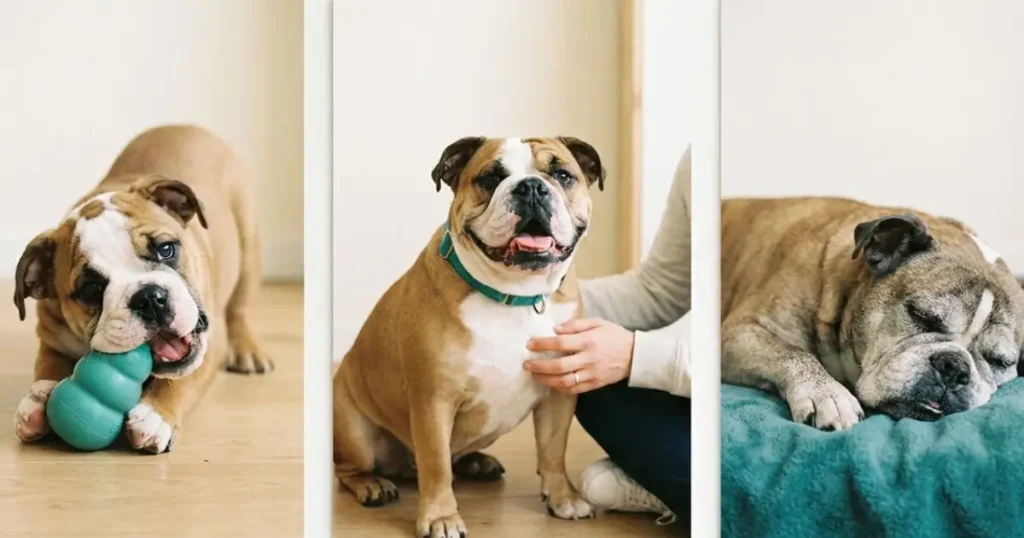
The owners who consistently report the longest-lived Bulldogs share a few habits in common:
- They kept their dogs lean throughout their life
- They were proactive with vet visits — twice yearly after age 5
- They caught and addressed issues early rather than waiting for them to worsen
Want to know what health issues to watch for at your Bulldog’s specific age? Use our free Pet Age Calculator to see your English Bulldog’s life stage and the health risks most relevant right now.
Health by Life Stage
These bulldog health problems have a direct impact on lifespan
| Life Stage | Age Range | Key Focus |
|---|---|---|
| Puppy | 0–1 year | Vaccinations, socialization, early screening |
| Junior | 1–2.5 years | Weight management, breathing monitoring |
| Adult | 2.5–5.5 years | Annual checkups, dental care, joint supplements |
| Mature | 5.5–7.5 years | Twice-yearly vet visits, mobility monitoring |
| Senior | 7.5–9 years | Pain management, cognitive health, comfort care |
Prevention and Daily Care

You can’t change your Bulldog’s genetics, but you can significantly reduce the impact of their health challenges with consistent daily habits:
- Weight — keep your Bulldog lean. This is the single most impactful thing you can do for their joints, breathing, and heart
- Temperature — never underestimate the heat risk. Cool environments aren’t a luxury for Bulldogs, they’re a necessity
- Skin — clean the folds regularly. It takes 5 minutes and prevents infections that would otherwise require antibiotics
- Teeth — brush three times per week. Most owners skip this until it’s a problem
- Vet visits — twice yearly after age 5, not just when something seems wrong
Final Thoughts on Bulldog Health Problems
Bulldog health problems are real — but they’re manageable. The owners who give their Bulldogs the longest, happiest lives aren’t the ones who avoid these issues. They’re the ones who understand them, catch them early, and act before small problems become big ones.
Keep your Bulldog lean, clean their folds regularly, stay on top of vet visits, and don’t ignore changes in breathing or movement. That’s the foundation of good Bulldog care.
Want to know which health issues matter most at your Bulldog’s current age? Use our free Pet Age Calculator to get a personalized health overview for your dog right now.
Frequently Asked Questions
Do all Bulldogs have health problems?
Most Bulldogs experience at least some of the issues listed above due to their anatomy. The severity varies widely depending on genetics, diet, weight management, and the quality of care they receive. A well-cared-for Bulldog can live a comfortable, happy life despite these predispositions.
What is the most common health problem in Bulldogs?
Brachycephalic Obstructive Airway Syndrome (BOAS) is the most universal issue — almost every Bulldog is affected to some degree. Skin fold infections and hip dysplasia are the next most common.
How often should a Bulldog see the vet?
Once a year until age 5, then twice a year. Bulldogs age faster than many breeds, and semi-annual checkups allow your vet to catch developing issues before they become serious.
Is a Bulldog right for you despite these health challenges?
That depends on your lifestyle, living situation, and budget. Not sure if a Bulldog fits your lifestyle? Try our free Pet Matchmaker tool to find the best pet for you.
This article is for informational purposes only and is based on general data collected across multiple Bulldogs. Your pet’s actual health depends on individual factors including genetics, nutrition, lifestyle, and care. Always consult your veterinarian for any health concerns.